Harvesting

What is the purpose of the National Mission on Oilseeds and Oil Palm (NMOOP)?

Oilseeds and Oil Palm

India’s government launched the National Mission on Oilseeds and Oil Palm (NMOOP) with the goal of encouraging the growth of oilseed and oil palm plantations to boost local oilseed production and lessen the nation’s reliance on imports. The objective is to improve India’s overall oilseed production situation while increasing the yield and profitability of oilseed crops.

The National Mission on Oilseeds and Oil Palm has several main goals, including:

An increase in oilseed production is one of the goals of the NMOOP, which includes peanut, soybean, rapeseed, mustard, sunflower, and sesame as examples of crops. The goal is to increase crop productivity by implementing better agricultural methods, offering high-quality seeds, encouraging balanced nutrient management, and embracing contemporary technologies.

Increasing oilseed production: The National Mission on Oilseeds and Oil Palm NMOOP places a strong emphasis on the use of best management methods to raise oilseed crop yield. The utilization of high-yielding varieties, effective irrigation systems, integrated fertilizer management, successful pest and disease management strategies, and post-harvest management approaches are some examples of this.

Promoting oil palm cultivation is another goal of the mission, which is targeted at areas with the right agroclimates in the nation. Palm oil, an important vegetable oil used in cooking, food processing, and a variety of industries, is produced by oil palm, a high-yielding crop. The NMOOP seeks to expand the area under oil palm cultivation and enhance oil palm plantation output.

Which scheme focuses on the development of horticulture in India?

horticulture in India

The National Horticulture Mission (NHM) is the program that aims to advance horticulture in India. The Government of India has launched an initiative called the National Horticulture Mission to support the overall growth and development of horticulture in the nation.

The following are the main goals of the National Horticulture Mission:

Increasing horticulture production: The NHM intends to raise horticultural output, productivity, and quality through the adoption of contemporary technologies, better growing techniques, and effective resource management. Fruits, vegetables, flowers, spices, medicinal and aromatic plants, and plantation crops are just a few of the horticulture-related subsectors that are the topic of this article.

Building and enhancing the essential horticulture infrastructure, such as irrigation systems, post-harvest management systems, cold chain storage systems, processing facilities, and marketing infrastructure, is the aim of this project. This attempts to lessen post-harvest losses, lengthen shelf life, and make it easier for horticultural produce to access markets.

Encouragement of integrated and sustainable farming systems: The NHM promotes techniques including organic farming, agroforestry, precision farming, protected cultivation, and water-efficient technologies in order to encourage the adoption of integrated and sustainable agricultural systems. It seeks to advance horticultural eco-friendly methods, resource conservation, and environmental sustainability.

How do climate conditions affect the timing of planting and harvesting?

planting and harvesting

Temperature: The right time to grow and harvest crops is greatly influenced by temperature. For best growth and development, various crops require particular temperature ranges. When deciding when to start planting and harvesting, farmers take the typical temperatures during particular times, such as spring or fall, into consideration. When the soil has adequately warmed up, crops that need higher temperatures, such maize or tomatoes, are often planted. Similar to this, to prevent damage, crops that are vulnerable to frost, such some vegetables, are often planted after the final anticipated frost date.

Frost-Free Period: The amount of time between the last spring frost and the first fall frost, known as the “frost-free period,” affects the growing season and establishes when to plant and harvest.


Rainfall: Successful seed germination and early crop growth depend on sufficient soil moisture. When choosing when to plant, farmers take into account the frequency of rainfall and the accessibility of water for irrigation. In seasons with minimal rainfall, planting too early can lead to poor germination, and planting later in a season with plenty of rain can lead to yield losses since the growing season is reduced.

Growing degree days (GDD) are a measurement of the amount of heat that has collected above a certain temperature threshold. They give an estimate of the amount of thermal time needed for crop development and growth. GDD calculations are used by farmers to monitor crop growth and choose the best window for planting and harvesting.

What are the effects of rainfall patterns on agriculture?

rainfall patterns

Crop Growth and Yields: For crops to grow and yield, there must be sufficient and evenly distributed rainfall. Water from rainfall patterns is crucial for plants to use for physiological functions including photosynthesis and nitrogen uptake. Reduced crop yields, water stress, and stunted development can all be effects of insufficient rainfall. On the other hand, heavy rainfall can reduce agricultural output by resulting in waterlogging, root damage, and increased susceptibility to diseases.

Needs for irrigation and soil moisture are determined by rainfall patterns, which are essential for crop development. Rainfall that is regular and moderate refills the moisture in the soil, creating ideal circumstances for plant growth. Farmers may need to supplement irrigation in areas with insufficient rainfall to meet crop water needs. Care must be taken since irregular or erratic rainfall patterns can result in unequal soil moisture distribution.

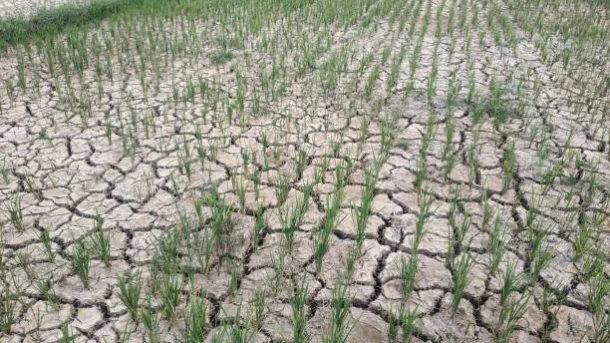
Water Stress and Drought: Prolonged dry spells can result from insufficient precipitation. Droughts can seriously affect agriculture, leading to crop failures, decreased yields, and financial losses. Drought-induced water stress can alter plant physiology and cause wilting, leaf senescence, and decreased nutrient uptake. Crop varieties that can withstand droughts and effective irrigation techniques can lessen the effects of water constraint.

Decisions Regarding Planting and Harvesting: Farmers base their planting and harvesting decisions on rainfall patterns. To choose the best time to sow various crops, they take into account the start and length of rainy seasons. Rainfall that is irregular or late can delay planting, which will have an impact on crop growth and yields. Similar to how weather patterns during harvest might affect harvesting activities and post-harvest processing procedures.

How can farmers implement seed saving techniques to promote biodiversity and sustainability?

saving

Choose heirloom or open-pollinated varieties: Heirloom and open-pollinated types yield seeds that will develop into plants with traits resembling the parent plant. Because their seeds may be trustworthily preserved and replanted to preserve the desired qualities over generations, these types are excellent for seed saving.

Choose the right plants to save seeds from: For seed saving, pick plants that are robust, healthy, and have the features you want. Choose plants with characteristics that are significant to you, such as disease resistance, yield, flavor, or any other quality. Selecting plants with disease symptoms or low performance is a bad idea.

Eliminate and prevent cross-pollination: Some plant species are susceptible to this process, in which pollen from various kinds combines and produces hybrid seeds. Place physical barriers like nets, cages, or distances between plants to prevent cross-pollination in order to preserve the integrity of the stored seeds.

It is best to wait until the seeds are fully developed and dried on the plant before harvesting them. Immature seeds may not germinate, thus it is best to let them dry on the plant until they are at their ideal age. When the seeds are ready and dry, keep an eye on the plant and harvest them.

How does the absence of effective market linkages and value chain integration impact farmers’ income opportunities?

farmers

Limited market access: Farmers may encounter difficulties finding markets for their agricultural products in the absence of strong market connections. Farmers’ capacity to access customers and offer their goods at competitive pricing may be limited by geographical constraints, inadequate transportation infrastructure, and a lack of market knowledge. Farmers may be forced to rely on local middlemen or intermediaries who may provide lower pricing as a result of their limited market access, which will affect their income.

Price volatility and exploitation: Farmers are frequently more at risk from price fluctuation when there are weak market ties. When market prices are low and they are compelled to sell their produce right away after harvest, their profitability may suffer. Moreover, farmers may be at a disadvantage when negotiating rates with customers if they lack direct access to markets and information.

Lack of market data: Farmer need up-to-date, reliable market data to make decisions regarding what to produce, when to sell, and where to sell their products. Farmers may find it difficult to successfully plan their production and marketing strategy in the lack of trustworthy market information due to uncertainties. This may lead to misaligned supply and demand, price changes, and fewer chances for employment.

Insufficient value addition: Adding value to agricultural products is essential if farmers are to increase their profitability. Farmer may lose out on chances for value addition, such as processing, packaging, and branding, if the value chain is not properly integrated and coordinated.

How does the limited availability of agricultural labor and skilled workforce affect farm operations?

farm operations

Farm operations may be hampered by a manpower shortage in the agricultural industry, especially during times of high labor demand like planting, harvesting, and post-harvest activities. Farmers might find it difficult to quickly fill open positions with enough people. Delays in planting or harvesting, decreased effectiveness, and significant production losses can result from this.

Increasing labor prices: When there is a shortage of agricultural workers, demand for labor sometimes outpaces supply, driving up labor expenses. To recruit and keep employees, farmers might need to give greater compensation or other benefits. Profit margins may be squeezed as a result of these higher labor costs, particularly for small-scale farmers who may already be operating on a tight budget.

Dependence on migrant labor: Farmers may extensively rely on migrant labor in areas with a shortage of local workers, which might present new difficulties. When it comes to accommodation, transportation, and compliance with labor laws and regulations, migrant labor frequently necessitates specific measures. Farm operations can be disrupted and farmers who depend on migrant labor may experience uncertainty due to changes in immigration laws or the availability of this workforce.

Lack of skilled workers: For some farming operations, in addition to general agricultural labor, the availability of skilled and specialized workers is also crucial. Professionals like agricultural engineers, agronomists, veterinarians, and equipment technicians are examples of skilled labor. The adoption of cutting-edge technologies, precision farming methods, and effective farm management strategies, which call for specific knowledge and skills, may be constrained by the lack of skilled workers.

How does the lack of market infrastructure and value-added processing hinder farmers’ income opportunities?

lack

Limited market access: Farmers’ access to potential customers and markets may be hampered by a lack of market infrastructure, such as transportation systems, storage facilities, and marketplaces. Farmers may encounter difficulties delivering their produce to far-off markets without adequate infrastructure, which could result in higher transportation costs, post-harvest losses, and less market prospects. Their ability to reach a larger customer base and their opportunity for greater sales and profitability are both hampered by this lack of access.

Price instability and exploitation: Without a strong market infrastructure, farmers may be at risk of price instability and unfair business practices. They might not be well-informed about current market prices, which makes it challenging for them to bargain for reasonable rates for their produce. Middlemen or intermediaries may profit from the circumstance by providing low pricing to.

Limited value addition and processing: Activities that increase the value of agricultural products are known as value addition and processing. However, farmers’ capacity to change unprocessed agricultural commodities into higher-value products may be constrained by the absence of processing facilities and value-added activities close to farming communities. Without these resources, farmers could be forced to sell their goods for less money and forgo the extra value that comes from processing and diversification. Value-added processing can support the growth of the rural economy by generating extra employment possibilities.

For the market to achieve the quality and standard requirements needed by consumers and larger marketplaces, market infrastructure is crucial. Farmers may find it difficult to maintain the quality of their crop without adequate storage facilities and processing capabilities, which could result in product deterioration.

What are the challenges faced by farmers in accessing affordable and reliable agricultural machinery and equipment?

machinery and equipment

High upfront costs: Tractors, harvesters, irrigation systems, and processing machines are just a few examples of the agricultural machinery and equipment that frequently have high upfront costs. These equipment purchases often involve a sizable capital expenditure, which may be out of reach for small-scale and resource-constrained farmers. The expense of purchasing new equipment might restrict access and impede agricultural technology growth.

Financing options are scarce for farmers, who frequently cannot afford to finance the purchase of agricultural equipment. Due to perceived hazards connected with agriculture, such as erratic weather and market uncertainties, banks and other financial institutions may be reluctant to offer loans or credit facilities for machinery. Because of their limited financial options, farmers find it challenging to purchase the machinery they require.

Infrastructure and logistics: The movement and storage of agricultural machinery and equipment can be hampered by inadequate infrastructure, such as inadequate road systems or a lack of storage facilities. Particularly during off-seasons or when they are not in use, farmers may experience challenges transporting the machinery to their farms or properly storing it.

Market fragmentation: In some areas, there may be a large number of brands, models, and suppliers in the market for agricultural machinery and equipment. Farmers may find it difficult to locate dependable and appropriate machinery solutions due to misunderstanding and a lack of standardization.

What are the issues related to gender inequality and women’s empowerment in the agriculture sector?

women

Access to resources is restricted for women frequently, including to land, loans, inputs, and technologies. Women’s access to land ownership and control can be limited by discriminatory societal norms and legislative restrictions, which makes it harder for them to finance and profit from agricultural endeavors. Women’s ability to grow their agricultural businesses or embrace contemporary farming methods is further hampered by their limited access to credit and financial services.

Unfair participation and decision-making: Women frequently have little voice in policy, community, and farm decision-making. Women are restricted by conventional gender roles and stereotypes to performing mostly unpaid domestic and caregiving duties, while men predominate in making decisions about farming, marketing, and resource allocation. Women’s views and perspectives are being marginalized, which reduces their influence on agricultural policies.

Unfair access to education and training: Women frequently have lower levels of education and training than men, especially in rural areas. This restricts their access to technical education, contemporary farming methods expertise, and agricultural extension services. As a result, women may rely on conventional farming practices that are less productive, which lowers production and decreases resilience to problems like climate change.

Unpaid and undervalued labor: Women’s contributions to agriculture, such as their unpaid domestic and agricultural work, are sometimes overlooked and underappreciated. Women perform a variety of responsibilities in agriculture, including planting, weeding, harvesting, and post-harvest work, yet their work is sometimes overlooked in official statistics and in agricultural policies and initiatives. This lack of visibility strengthens the undervaluation of women’s contributions and gender inequality.