Harvesting

What are the issues related to labor shortages and the migration of agricultural workers?

labor shortages

Reduced agricultural output: There may not be enough personnel available to carry out necessary operations like planting, harvesting, weeding, and irrigation due to labor shortages, which can result in decreased agricultural output. Lack of labor can cause operations to be postponed, operations to be less effective, and the workload of the remaining workers to increase, all of which have an impact on crop yields and farm output as a whole.

Increased Production Costs: Farmers may need to offer higher wages or additional incentives to recruit workers when there is a labor shortage in the agriculture industry. Increased labor expenses can have a major influence on agricultural profitability, particularly for crops that require a lot of labor. Farmers could also need to spend money on labor-saving devices or mechanization, which can come with high initial capital and ongoing operating costs.

Food Loss and Wastage: Labor shortages may cause post-harvest and harvesting processes to be delayed, which raises the possibility of food loss and wastage. Crops could become overripe, degrade, or go unharvested, costing producers money and reducing consumer access to food.

Dependence on Migrant laborers: To meet their labor needs, many agricultural regions rely on migrant laborers, frequently from other nations. Economic factors, such as greater job prospects and higher earnings elsewhere, may be the driving force behind the movement of agricultural laborers. Dependence on migrant labor leads to weaknesses in the agricultural labor force since shifts in immigration laws, labor standards, or geopolitical concerns might affect the workforce’s accessibility.
How is climate change affecting agricultural productivity and food security?

change

Weather Patterns: As a result of changing weather patterns brought on by climate change, extreme weather phenomena including droughts, floods, heat waves, and storms are occurring more frequently and with greater severity. These occurrences have the potential to harm crops, interfere with farming activities, and lower agricultural output.

Growing Season Changes: Variations in the time and length of the growing season can result from changing climatic circumstances. This can cause scheduling issues for planting and harvesting, have an impact on crop yields, and lower agricultural output overall.

Water Availability and Irrigation: Climate change has an impact on water availability, especially in areas where agriculture depends on rainfall. Water scarcity can alter irrigation methods and crop output due to changes in precipitation patterns and higher evaporation rates.

Crop Performance and Adaptation: Crop performance can be impacted by changing rainfall patterns and rising temperatures. A crop’s susceptibility to heat stress, a lack of available water, or increased insect and disease pressures may vary. Produce of inferior quality and lower yields may result from this.

How is the agriculture sector addressing the issue of post-harvest losses?

post-harvest

Improved Harvesting Methods: Using good harvesting methods, such as sharp instruments, timing, and handling procedures, can lessen physical harm to crops when they are being harvested. As a result, there is a lower chance of post-harvest losses from bruising, cutting, and mechanical harm.

Efficient Handling and Transportation: To avoid post-harvest losses, good handling and transportation procedures are essential. This entails making use of the suitable packaging materials, cutting down on handling distance and time, and assuring efficient loading and unloading procedures. Effective transportation systems, such as cold chain infrastructure and refrigerated vehicles, aid in preserving product quality and reducing losses during transit.

Investing in better storage facilities, such as cold storage, silos, and warehouses, can considerably lower post-harvest losses. crops against pests, pathogens, dampness, and temperature swings with the use of adequate storage facilities.

Value-Added Processing: By transforming perishable crops into processed goods with longer shelf lives, value-added processing can help reduce post-harvest losses for agricultural products. Processing methods including canning, freezing, juicing, and drying help maintain the nutritional content of crops while minimizing spoilage losses.

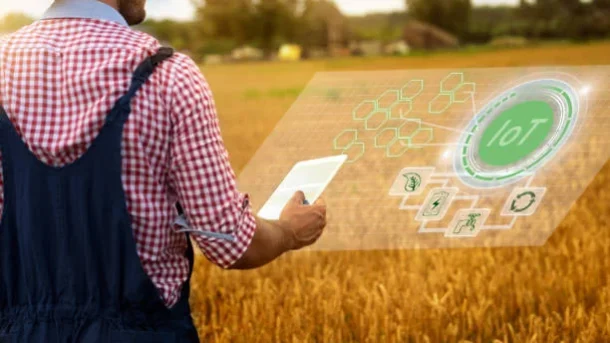
How are farmers using data analytics and remote sensing for decision making?

data analytics

In order to better their farming practices and make informed decisions, farmers are increasingly utilizing remote sensing and data analytics technologies. Here are some examples of how these technologies are used:

Monitoring and Analysis of Crop Yields: Data analytics platforms and remote sensing tools give farmers the ability to precisely monitor and assess crop yields. Data on crop performance across fields is gathered via yield monitoring systems, such as yield monitors and combine harvesters with yield mapping capabilities. Farmers can discover production variances, evaluate the efficacy of various practices, and make data-driven decisions for next planting, fertilization, or irrigation strategies by analyzing this data.

Application of Variable Rate in Precision Agriculture: Data analytics and remote sensing technologies are essential to precision agriculture. High-resolution information on crop health, nutrient levels, and pest infestations can be obtained using remote sensing equipment including satellites, drones, and aerial images. Farmers can use this information to construct variable rate prescription maps, which let them apply fertilizer, herbicides, and irrigation precisely based on the needs of various fields. This focused strategy minimizes negative environmental effects, lowers input costs, and optimizes resource use.

How to plucking and harvesting of tea leaves?

Jasmine

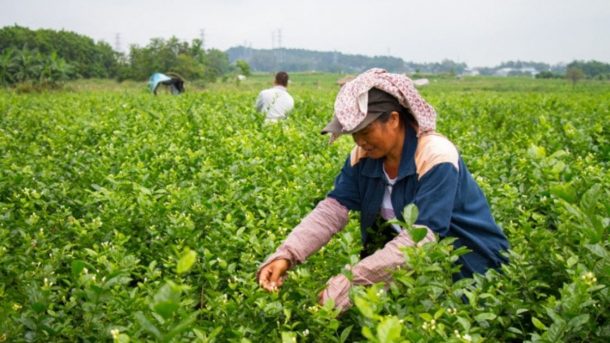
Plucking consists of harvesting 2 to 3 leaves and a bud. It is the most labour intensive operation in a tea industry and also decides the yield and quality of made tea. Normally, a pluckable shoot takes 60 to 90 days for harvesting since its sprouting from the axillary buds.

When the shoot is plucked upto mother leaf, it is known as light removing and if it is plucked below mother leaf, it is called hard removing. It is essential to add one tier of active maintenance foliage to the bush every year. This is done by mother leaf plucking during January to March.

During the rest of the period level plucking can be carried out.Consequent to plucking, bush height increases every year in the order of 10cm over tipping height in the first year, 7.5cm, 7.5cm, 5cm and 5cm over the previous year height in the second, third, fourth and fifth year respectively.

What are the Harvesting tips for getting more yield in passion fruit?

fruit

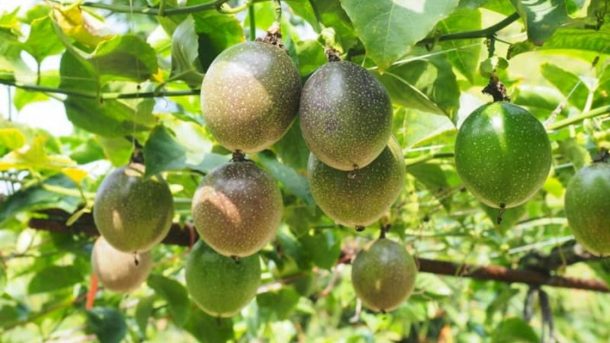
Flowers grow alone in the leaf axils on the last parts of the new growth. The two main fruiting seasons are August-December and March-May. Fruits should be harvested along the stem. Economic production begins 1-2 years after planting healthy vines with about 150-180 fruits per year. Pruned tree fruits are full size and colorful – when light wrinkles appear; they are in their best condition, so pick fruit when the skin starts wrinkling.

When and how Harvesting of Cauliflower is done?

Cauliflower

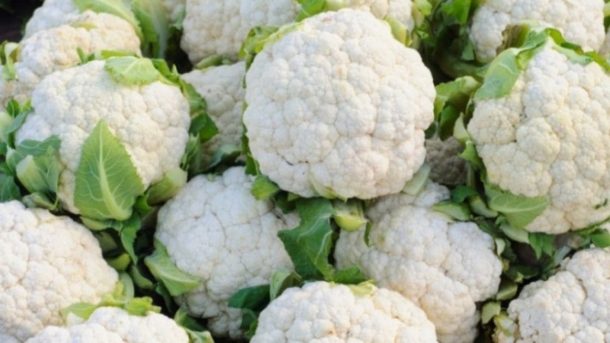
Cauliflower would be ready for harvesting when the proper head has developed. Make sure the head is compact and the plant should be cut below the head so that the stub has left the head from damaging during transportation. The cauliflower plants should be harvested when curds are well developed. As all curds will not come to the maturity at the same time, so only those which are full developed are removed. Harvesting during morning or evening is preferred so that the produce may be kept cool for the market.

When and how harvesting is done in Holy Basil?

Basil

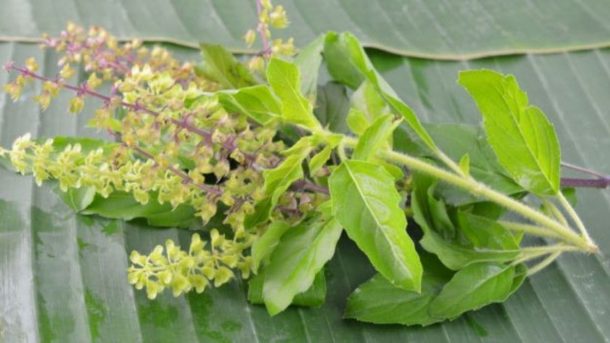
Basil crop will be ready for first harvest after 3 months of planting. Subsequent harvesting should be carried out for every 70 to 75 days interval. By using any sharp object, cut the crop 20 cm above the ground level. Avoid harvesting the crop in case there was rain on the previous day. Make sure to harvest at full-bloom stage for better yield of oil and quality. Harvest only on sunny days.

When harvesting is done in Gerbera flower?

Gerbera

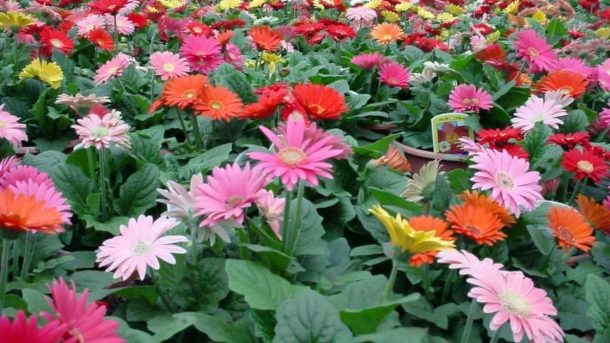
Normally, Gerbera plants starts flowering in about 3 months after planting. Harvesting is done, when flowers completely open or when outer 2 to 3 rows of disc florets are perpendicular to the stalk. To improve the flower life, Flower stalk should be soaked in solution of Sodium hypochlorite (6 to 7 ml/liter of water) for about 5 hours.

When harvesting of tamarind is done?

harvesting of tamarind

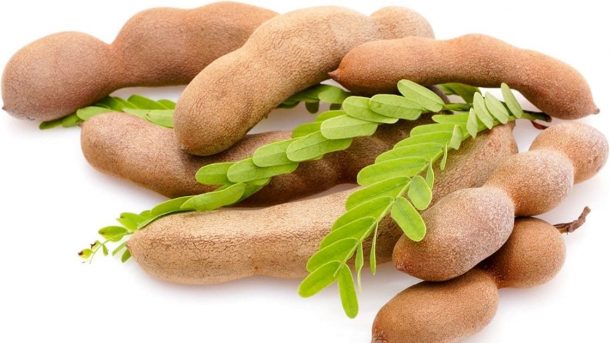
Harvesting of Tamarind takes place from 1st March to 15th April. Tamarind fruits harvested by the pulling pod away from the stalk. Tamarinds may be left on the tree for nearly 6 months after maturity. The Tamarind tree starts to bear fruit at the age of 13 to 14 years. The flowers appear in June and July and the pods ripen in the cold season. The pods must be allowed to ripen on the tree until the outer shell is dry. In India, harvesters may simply shake the branches to cause mature fruits to fall and they leave the remainder to fall naturally when ripe. Pickers are not permitted to knock the fruits off with poles as this would damage developing flowers and leaves. These harvested fruits are stored in a neat and clean place. The harvested pod must be sun-dried for getting the best pulp. Harvested fruits after15th April must be stored in refrigeration.