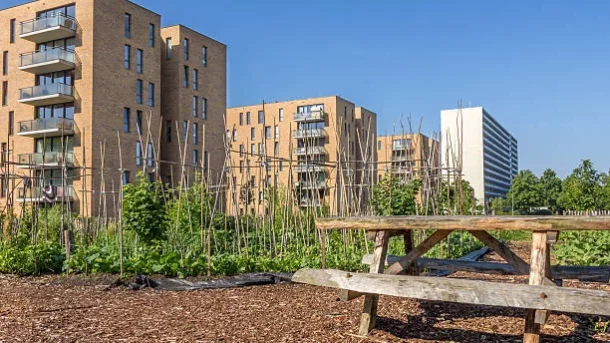
Loss of Agricultural Land: Deforestation frequently entails the clearance of trees for other land uses like agriculture, infrastructure construction, or urbanization. As a result, valuable agricultural land is lost, lowering the amount of land that may be used to grow food. Farmers may thus encounter difficulties when they try to increase agricultural production and satisfy the rising food demand.
Environmental Impact: Deforestation causes biodiversity loss and environmental degradation. In order to preserve ecosystem equilibrium, provide home for wildlife, and support fundamental ecological processes, forests are necessary. Loss of important ecosystem services, soil erosion, water pollution, and reduced water availability can all result from the clearing of forests for agricultural purposes. Agriculture’s productivity and sustainability may be significantly impacted by this.
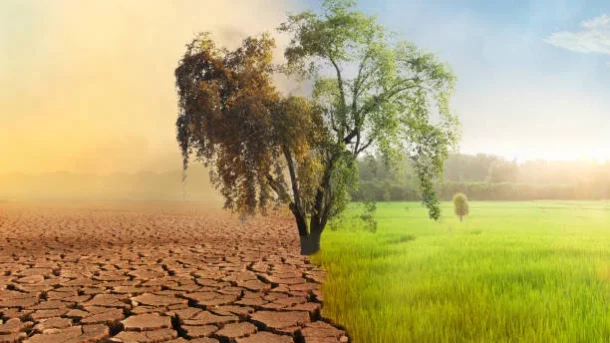
Land use changes and deforestation both contribute to climate change. By removing and storing carbon dioxide from the atmosphere, forests serve as carbon sinks. When forests are cut down, the carbon that has been stored there is released, which increases greenhouse gas emissions. Deforestation also disturbs regional and local climate patterns, influencing temperature regulation, rainfall patterns, and general climatic conditions that are essential for agricultural output.
Biodiversity loss is a result of deforestation, which causes many different plant and animal species to lose their habitats. Compared to natural ecosystems, agricultural landscapes often have reduced biodiversity. The loss of biodiversity can alter the ecological balance, have an impact on pollination, insect management, nutrient cycling, and make agriculture more susceptible to pests and illnesses.