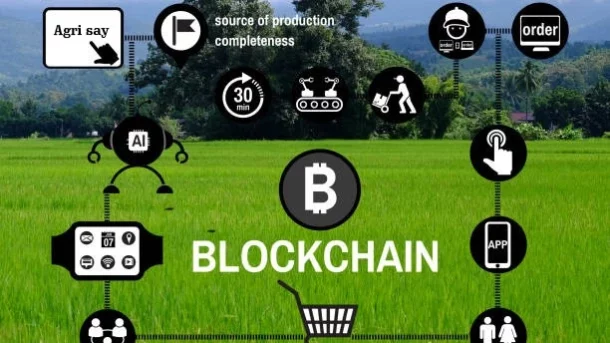
Product tracability: Thanks to blockchain technology, every agricultural product transaction and movement along the agricultural supply chain may be recorded and tracked. The blockchain can be used to track every stage, including production, processing, packing, shipping, and distribution. Consumers and stakeholders may confirm the product’s origin, quality, and authenticity thanks to this immutable and transparent record of its journey.
Transparency in the agricultural supply chain is made possible by blockchain technology, which gives farmers, processors, distributors, retailers, and consumers access to a shared, decentralised ledger. By making transactions transparent, fraud, forgery, and unethical behaviour are reduced. The supply chain’s integrity and dependability are ensured by participants’ capacity to validate and verify the data stored on the blockchain.
Quality and Standards Assurance: Blockchain can be used to store and exchange data on the certifications of products as well as their adherence to standards and laws. This information may cover specifics regarding farming techniques, the use of pesticides and fertilisers, organic certifications, fair trade principles, and other topics. Consumers can make educated decisions and feel confident about the things they buy by having access to this information via the blockchain.
Efficient Payment and Transactions: Blockchain technology makes it possible for the agricultural supply chain to conduct safe and effective digital transactions. Processes like payments, invoicing, and settlements can be automated and streamlined using smart contracts, which are self-executing contracts on the blockchain. This leads to quicker and more secure transactions by reducing paperwork, lowering transaction costs, and doing away with the need for middlemen.