Cropping patterns

What are the factors that influence the effectiveness of biofertilizers?

effectiveness

There are a number of variables that can affect how successful effectiveness biofertilizers are, including:

Different kinds of biofertilizers contain various helpful microorganisms, including bacteria that fix nitrogen, those that dissolve phosphate, mycorrhizal fungus, and those that encourage plant growth. The impact of a certain type of biofertilizer on nutrient availability, plant development, and general soil health will depend on the type that is employed.

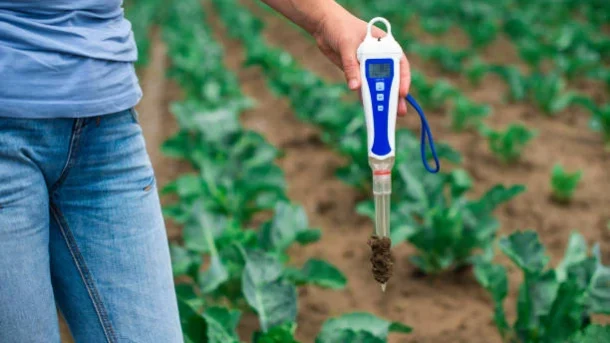
Type of soil: The performance of biofertilizers can be influenced by the properties of the soil, including its texture, pH, amount of organic matter, and nutrient levels. Understanding the qualities of the soil is essential for selecting the best biofertilizer because some biofertilizers may be more successful in particular soil types.

Climate and environmental factors can have an impact on the survival and activity of the microorganisms in the biofertilizer, including temperature, humidity, and moisture availability. Some biofertilizers might be more suited to certain climate zones.

Crop type: Different crops demand different amounts of nutrients and interact in different ways with microbes. Depending on the particular crop being grown, biofertilizers may have varying degrees of efficiency.

Use the right application techniques to make sure the biofertilizer gets to the roots and soil of the target plants. The effectiveness of using biofertilizers can be influenced by the time, dose, and administration methods.

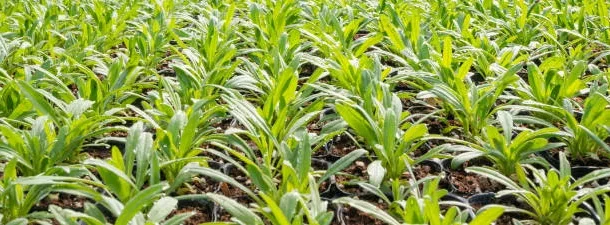
What is the role of cyanobacteria-based biofertilizers in agriculture?

cyanobacteria

By enhancing soil fertility, nutrient availability, and sustainable crop production, cyanobacteria-based biofertilizers are beneficial to agriculture. A class of photosynthetic microbes known as cyanobacteria are able to fix atmospheric nitrogen and carry out photosynthesis in a manner comparable to that of plants. In agriculture, cyanobacteria-based biofertilizers have the following role:

Nitrogen Fixation: One of the main functions of biofertilizers based on cyanobacteria is nitrogen fixation. Heterocysts, specialized cells found in cyanobacterias, are capable of fixing atmospheric nitrogen into an ammonia-like compound that plants may utilize. This technique is comparable to the ability of other biofertilizers, such as rhizobia bacteria in legumes, to fix nitrogen. By providing a natural and sustainable source of nitrogen without the need of synthetic nitrogen fertilizers, cyanobacterias help increase the soil’s nitrogen content, which benefits crops.

Cyanobacteria-based biofertilizers can improve the fertility and structure of soil. Cyanobacterias fix nitrogen, enhancing the soil’s nutritional level and promoting crop growth. In addition, their presence and development help to create soil aggregates, which improve soil structure, water retention, and aeration, promoting improved root growth and soil health in general.

Organic Matter Contribution: As cyanobacteria-based biofertilizers develop and naturally decompose, they add to the organic matter content of the soil. In addition to enhancing soil fertility and supporting advantageous microbial activity, increased organic matter content also supports nutrient cycling and soil health.

Cyanobacterias are capable of surviving in droughts and other harsh environmental conditions. Cyanobacterias can help crops more effectively endure drought stress by forming a symbiotic relationship with them and delivering fixed nitrogen, promoting their growth even under water scarcity.

Sustainable Agriculture: By minimizing the need for synthetic fertilizers, protecting natural resources, and promoting long-term soil health, the use of cyanobacteria-based biofertilizers is consistent with the concepts of sustainable agriculture. This strategy might result in more durable and sustainable farming methods.

How do rhizobium biofertilizers benefit leguminous crops?

rhizobium

Leguminous crops benefit greatly from rhizobium biofertilizers’ exceptional capacity to fix atmospheric nitrogen and develop a symbiotic interaction with plant roots. Leguminous crops gain from rhizobium biofertilizers in the following ways:

Nitrogen Fixation: Nitrogen fixation is the process by which Rhizobium bacteria transform atmospheric nitrogen (N2) into ammonia (NH3), a form that is useful to plants. One of the most significant advantages of rhizobium biofertilizers is this. Leguminous plants, like peas, beans, lentils, and soybeans, contain specific nodules on their roots that are home to rhizobia. The bacteria in these nodules transform the nitrogen gas in the air into ammonia, which the plants can use to fuel their growth. This lessens the need for synthetic nitrogen fertilizers and increases the productivity of leguminous.

Increased Nitrogen Availability: Rhizobium biofertilizers provide fixed nitrogen, which increases the nitrogen availability for the leguminous plants. Higher yields are a result of the plentiful nitrogen supply’s good effects on plant growth, leaf development, and general vigor.

Growth that is Dependent on Nitrogen: Because legumes may house bacteria that fix nitrogen, they have a higher nitrogen demand than other crops. Leguminous crops are guaranteed access to a regular and dependable source of nitrogen throughout their growth cycle by rhizobium biofertilizers.

Sustainable Nitrogen supply: Rhizobium biofertilizers are an eco-friendly and sustainable supply of nitrogen for leguminous crops. They fix nitrogen. It lessens the need for synthetic nitrogen fertilizers, which require a lot of energy to make and can have negative effects on the environment such nitrate leaching and greenhouse gas emissions.

How does the adoption of sustainable agricultural practices impact farm profitability?

adoption

The adoption of sustainable farming methods may have a variety of short- and long-term effects on farm profitability. Despite the fact that some sustainable approaches may initially demand greater up-front investments or modifications to farming techniques, they can eventually result in enhanced financial performance. Using sustainable agriculture methods can have the following effects on farm profitability:

Cost savings: Sustainable practices frequently place a strong emphasis on the efficient use of resources like water, energy, and fertilizers. Farmers can reduce costs and increase profit margins by maximizing inputs and minimizing waste.

Improved Soil Health: Adoption of sustainable techniques including crop rotation, cover crops, and minimal tillage encourage soil fertility. Increased crop yields and a decreased demand for expensive synthetic inputs like fertilizers and pesticides can both result from healthy soils.

Risk reduction and crop diversification are two practices that are frequently used on sustainable farms. By distributing the risks brought on by changes in the market or the weather, diversification helps lessen the impact of prospective losses.

Premium Markets: The growing desire from consumers for food that has been produced sustainably opens doors for farmers to enter premium markets. Eco-labels or sustainable certification labels may draw customers who are willing to pay more for products.

Climate resilience: Sustainable practices are frequently created to increase climate resilience. In response to harsh weather events and shifting weather patterns, farms using.

How does the availability of irrigation infrastructure impact agricultural productivity?

infrastructure

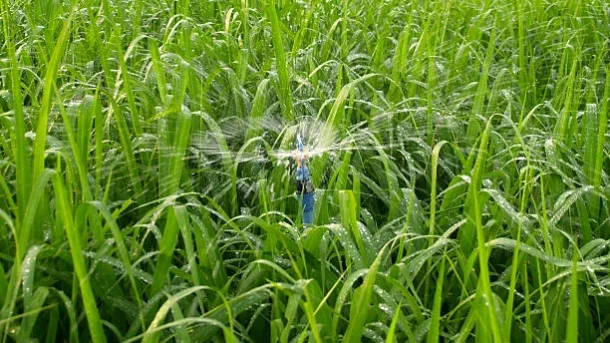
Especially in areas with irregular or insufficient rainfall, the presence of irrigation infrastructure can have a substantial impact on agricultural productivity. For a reliable and sufficient water supply to promote plant growth, irrigation entails the artificial application of water to crops. The following are some ways that irrigation infrastructure accessibility affects agricultural productivity:

Irrigation provides crops with a steady and dependable water supply, regardless of the natural patterns of rainfall. This enables farmers to keep the soil at the ideal level of moisture, ensuring that crops have access to water when they require it. This can increase yields and lessen crop losses as a result of drought.

Farmers can extend the growing seasons with irrigation beyond the restrictions imposed by natural rainfall. This increases total agricultural output by enabling numerous cropping cycles or the cultivation of crops that need longer growing seasons.

Crop Diversification: Irrigation makes it possible to grow a variety of crops, even ones that are incompatible with agriculture reliant on rain. By lowering reliance on a small number of rain-fed crops, this encourages crop variety and improves food security.

Increased Crop Yields: Proper irrigation ensures that crops receive the nutrients they need for optimum growth. This may result in increased agricultural yields and better crop quality.

How are digital platforms transforming the agricultural market?

digital platforms

By utilizing technology to establish new and effective connections between farmers, agribusinesses, and consumers, digital platforms are transforming the agricultural sector. These platforms revolutionize several facets of the agricultural industry using data analytics, cloud computing, mobile applications, and the Internet of Things (IoT). Here are some examples of how the agriculture market is being significantly altered by internet platforms:

Market Access and Direct Sales: By allowing farmers to communicate directly with buyers, processors, and consumers, digital platforms eliminate the need for middlemen. Through online markets and e-commerce platforms, farmers may advertise their goods, set pricing, and organize sales.

Supply Chain Transparency: By providing real-time information on the place of origin, the method of production, and the distribution of agricultural products, digital platforms improve supply chain transparency. The ability of consumers to track their food’s progress from the farm to the table encourages food safety and accountability.

Data-Driven Decision Making: Digital systems gather and examine a huge quantity of information on agriculture, including weather patterns, soil characteristics, and market trends. With the help of this data-driven methodology, farmers and agribusinesses may decide wisely about crop management, resource allocation, and marketing tactics.

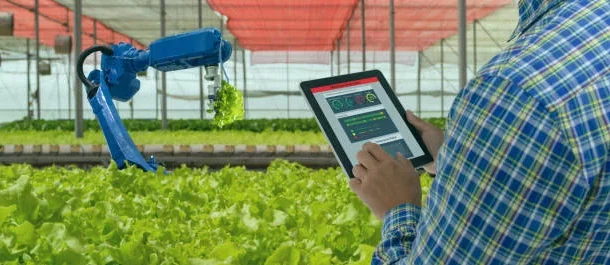
Precision Agriculture: By using IoT devices, drones, and sensors to precisely monitor crop, soil, and weather conditions, digital platforms support precision agriculture operations. Through optimization, resources are used more effectively, yields are raised, and environmental impact is diminished.

How do commodity prices influence agricultural land values?

agricultural land

The value of agricultural land is significantly influenced by commodity prices. It is complicated and depends on a number of aspects how commodities prices and land values relate to one another. The following are some of the main ways that commodity prices impact the value of agricultural land:

Earning Potential: The earning potential of agricultural land is directly impacted by commodity prices. The profitability of owning and running farms can increase when commodity prices are high because farmers can make more money from their crops. The demand for agricultural land may increase as a result of the larger revenue potential.

Profitability and Returns on Investment: Farmers are typically more profitable when commodity prices are higher. Investors may perceive farmland as an appealing asset class and be willing to pay more for it as the agricultural industry grows more successful.

Demand for Farmland: There is often more demand for farmland when commodity prices are high and farmers are receiving strong returns on their crops. The demand for agricultural land may increase, as may its value, due to farmers expanding their operations and investors attempting to enter the agricultural sector.

Cost of Production: For farmers, the cost of production is also influenced by commodity prices. Farmers may experience narrower profit margins during periods of low commodity prices, making it harder for them to pay for expensive land. In contrast, increased commodity prices may give farmers more financial freedom to make land investments.

Commodity prices can affect interest rates and the availability of finance for investors and farmers. When commodity prices are higher, lenders could be more cautious.

What are the latest innovations in agricultural machinery and equipment?

equipment

Several advancements in agricultural technology and equipment were being created and deployed as of my most recent update in September 2021 to increase productivity, sustainability, and efficiency in the agricultural industry. Here are some of the most recent advancements in agricultural gear and equipment as of that time, despite the fact that agricultural technology is constantly changing:

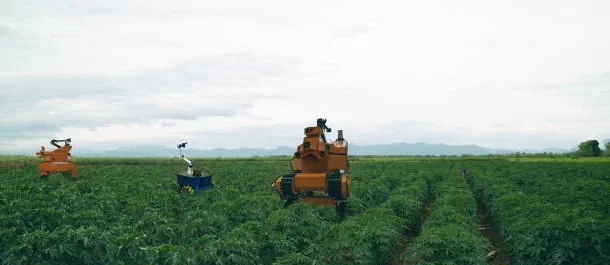
Autonomous tractors and equipment: Equipped with GPS and cutting-edge sensors, self-driving tractors and equipment may carry out a variety of tasks, including planting, spraying, and harvesting. Equipment that is autonomous lowers the need for manpower and allows more precise and effective operations.

Drones and Unmanned Aerial Vehicles (UAVs): Drones with cameras and sensors are used for data collecting, aerial imaging, and crop monitoring. They offer farmers useful information for enhancing crop health, insect control, and irrigation.

Robotic Systems for Harvesting: In order to alleviate the labor shortage and improve harvesting efficiency, robotic systems that can pick fruits and vegetables are currently being developed.

Using real-time data and field conditions, farmers may administer inputs like fertilizer, herbicides, and seeds at different rates using a technology called variable rate technology (VRT). This technology lessens the impact on the environment while maximizing resource consumption.

Precision planting systems make use of cutting-edge technology to guarantee precise seed placement, spacing, and depth, improving crop establishment and yields.

What are the current trends in sustainable agriculture within the market?

sustainable agriculture

Sustainable agriculture has been gaining traction as a prominent trend within the agricultural business as of my most recent report in September 2021. Growing awareness of environmental issues, climate change, and the need for responsible resource management are what are driving the focus on sustainable practices. I don’t have access to current data, however the following are some significant trends in sustainable agriculture:

Regenerative Agriculture: Through techniques like cover crops, decreased tillage, crop rotation, and integrated livestock management, regenerative agriculture places an emphasis on restoring soil health and biodiversity. It seeks to increase carbon sequestration, water retention, and soil fertility.

Precision Agriculture: To maximize resource utilization, precision agriculture integrates technology, data analytics, and remote sensing. Farmers collect data and apply inputs more effectively by using GPS, sensors, and drones, which minimizes waste and has a positive influence on the environment.

Climate-Smart Agriculture: Climate-smart agricultural methods put an emphasis on adjusting to and minimizing the consequences of climate change. This entails choosing agricultural varieties that are resistant to climate change, employing water-saving measures, and applying climate-friendly animal management.

Organic farming: Consumer desire for food that is free of chemicals, environmentally friendly, and socially responsible is what is driving this movement.

Agroforestry and silvopasture: By combining trees and shrubs with crops or livestock, agroforestry can conserve the land while also preserving biodiversity and generating additional income.

How can agroecology contribute to sustainable agriculture?

agroecology

As an ecological method of farming, agroecology makes numerous contributions to sustainable agriculture. The following are some ways that agroecology might support sustainable agriculture:

Conservation of biodiversity: Agroecology highlights the significance of biodiversity in farming systems. Agroecology aids in biodiversity preservation by encouraging different cropping systems, crop rotations, intercropping, and the preservation of natural habitats on and around farms. Maintaining biodiversity promotes the health of ecosystems generally and the resilience of beneficial insects, pollinators, and natural pest control.

Agroecologies promotes soil health and fertility through techniques including the integration of organic matter, cover crops, crop rotation, and reduced tillage. Through these techniques, soil structure is improved, organic matter content is raised, water infiltration is improved, and erosion is decreased. Long-term production is increased by nutrient availability to plants and nutrient cycling in healthy soils.

Conservation of natural resources: Agroecology encourages the effective and sustainable use of resources such as water and energy. Water conservation strategies include rainwater collection, agroforestry systems that improve water retention and lessen runoff, and water-saving irrigation techniques. To reduce the carbon footprint of agricultural operations, agroecologies also promotes the use of renewable energy sources and energy-efficient practices.

Reduction of synthetic chemical inputs, such as pesticides and fertilizers: Agroecology encourages the reduction and prudent use of synthetic chemical inputs. Agroecology reduces dependency on chemical pesticides by applying ecological pest management techniques like biological control, crop rotation, and habitat diversification. The requirement for synthetic fertilizers is further lessened by techniques like organic fertilization, nutrient recycling, and nitrogen-fixing cover crops.