Farm equipments

How do changing labor demographics influence agricultural production costs?

demographics

The availability, cost, and productivity of agricultural labor are all directly impacted by shifting labor demographics, which can have a considerable impact on the costs associated with agricultural output. The agriculture industry’s shifting labor demographics are influenced by a number of variables, including:

Aging Workforce: As fewer young people choose jobs in farming or agricultural labor, the agricultural workforce is aging in many places. As more seasoned workers leave, there may be a labor shortage, which could make it difficult to locate qualified replacements.

Urbanization and migration: A typical trend in many nations is rural-to-urban movement, which reduces the labor force in rural areas. Planting, harvesting, and other seasonal agricultural activities may be affected by labor shortages brought on by the migration of rural residents to urban areas.

Foreign labor: In some areas, the agricultural sector depends heavily on migrant labor, frequently from nearby nations. The availability and cost of foreign labor may change due to changes in immigration laws or economic conditions, which could affect production costs.

Mechanization and automation: The need for manual labor has decreased as a result of improvements in agricultural technology, such as farm machinery and automation. The necessity for human labor may decline with more mechanization, which may also result in lower labor costs.

Wages and Labor Laws: Agricultural producers’ labor expenses may be impacted by changes to labor laws, minimum wage policies, and labor restrictions. Production costs may increase as a result of higher wages or stricter labor compliance regulations.

How does the use of mobile technology impact agricultural value chains?

mobile technology

Mobile technology is altering how information and services are accessible and provided throughout the entire agricultural industry. This has a profound influence on agricultural value chains. In the agricultural value chain, mobile technology, such as smartphones and mobile applications, improves efficiency, productivity, and transparency for farmers, agribusinesses, and consumers. Mobile technology has the following effects on agricultural value chains:

Information Access: Farmers have access to important agricultural information, including weather forecasts, market pricing, best practices, pest control strategies, and crop advisory services, thanks to mobile applications and platforms. This enhances farm management procedures and allows for informed decision-making.

Market Linkages: Mobile technology makes it easier for farmers and buyers or brokers to connect directly. Farmers’ reliance on middlemen can be reduced by their ability to obtain real-time market data, bargain prices, and even sell their produce to purchasers directly.

Financial inclusion: Farmers and agribusinesses can perform financial transactions more effectively thanks to mobile banking and digital payment systems. Receiving payments, obtaining credit, and carrying out safe and practical transactions without physically visiting financial institutions are all included in this.

This technology makes it possible to track and monitor agricultural inputs, goods, and logistics in real-time. This increases product traceability, lowers post-harvest losses, and improves supply chain visibility and efficiency.

What are the prospects for agricultural market development in Africa?

agricultural market

There are considerable chances for growth and change in the agricultural industry, which bodes well for the future of the African agricultural market. A large amount of arable land, a variety of climates, and a young, expanding population all contribute to Africa’s enormous agricultural potential. There are a number of variables that support the optimistic outlook for the future of the African agricultural market despite the continent’s numerous difficulties and quick changes, including:

Rising Demand for Food: It is anticipated that Africa’s population will continue to expand quickly, driving up demand for food and agricultural goods. Opportunities for increasing agricultural production and market expansion arise from meeting this growing need.

Urbanization and Changing Diets: As Africa’s population gets more urbanized, there is a rising demand for higher-value and processed agricultural products, which is changing dietary preferences. This change in consumption habits may encourage the diversification of the agriculturals market.

Foreign Investment and Partnerships: To expand their agricultural industries, African nations are enticing more foreign investment and establishing global partnerships. Advanced technologies, money, and knowledge can be introduced through foreign direct investment to increase agricultural output.

Government policies that are encouraging: A lot of African nations understand the value of agriculture for both economic growth and food security. Supportive measures including funding for rural infrastructure, agricultural extension services, and R&D can promote the expansion of the agricultural market.

What is the role of agribusiness companies in the agricultural market?

agribusiness

Due to their involvement in many parts of the agricultural value chain, agribusiness enterprises are essential in the agricultural industry. These businesses operate at various stages, from input production and supply to agricultural product processing, distribution, and marketing. In the agriculture market, agribusiness enterprises play the following major roles:

Technology and Input Supply: Agribusines firms supply farmers with necessary inputs like seeds, fertilizer, insecticides, and agricultural equipment. Additionally, they make investments in R&D to create enhanced crop types and cutting-edge agricultural technologies.

Agribusiness firms provide farm management services to farmers, offering them agronomic guidance, soil testing, crop monitoring, and precision agriculture techniques to maximize output and resource efficiency.

Production and agro-processing: Agribusiness firms can either carry out their own agricultural production or hire farmers to grow their crops and rear their livestock. They also transform unprocessed agricultural materials into value-added goods including food, drinks, and biofuels.

Market Access and Distribution: Agribusiness firms are essential in bridging the gap between farmers and markets. They offer storage facilities, logistics, and distribution networks to make sure that agricultural products get to consumers quickly.

Agribusiness firms provide farmers with risk management tools, such as crop insurance and weather risk protection, to help them lessen the impact of unplanned events on their output and income.

What are the factors contributing to the rise in vertical farming?

vertical farming

Several elements that make this cutting-edge agricultural method more appealing to farmers, investors, and consumers are behind the development in vertical farming. The following are some of the main causes of the development of vertical farming:

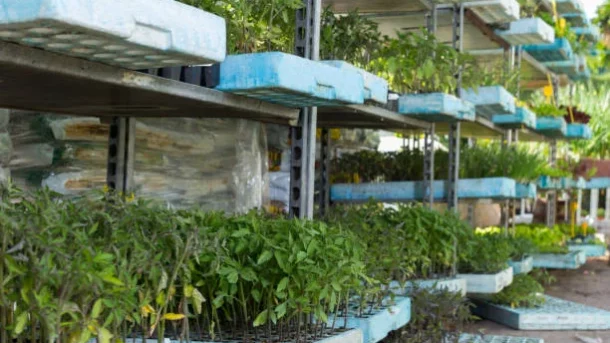
Limited Arable Land: Due to urbanization, soil deterioration, and other factors, there is a decreasing amount of arable land available. When opposed to conventional horizontal farming techniques, vertical farming enables agriculture to be carried out in vertical stacks or levels, using less area.

Urbanization and Population Growth: As the world’s population continues to rise and more people live in cities, there is a rising need for fresh produce that is cultivated nearby. Urban populations can obtain fresh produce from vertical farms that can be erected in or close to cities, cutting down on transit costs.

Climate Change and Extreme Weather Events: As the frequency of extreme weather events like droughts and floods rises, climate change causes problems for traditional agriculture. Vertical farms provide improved climatic resilience and protection against inclement weather because they frequently operate in controlled surroundings.

Water conservation: When compared to conventional open-field agriculture, vertical farming uses much less water thanks to its sophisticated irrigation systems. By precisely delivering water to plant roots, methods like hydroponics and aeroponics help to reduce water waste.

Production All Year Long: Vertical farms may run all year long, regardless of the seasons or the weather. A consistent supply of fresh vegetables is ensured by this ongoing production throughout the entire year.

How do market trends influence agricultural production practices?

market trends

Farmers and agricultural producers adapt their techniques to changing customer preferences, market needs, and economic conditions, which has a substantial impact on market trends. The agricultural industry is very dynamic and adaptable, and production strategies are frequently influenced by market signals and new trends. Following are some ways that market trends affect agricultural production methods:

Changes in Consumer Preferences: Farmers may modify their production techniques to accommodate changes in consumer preferences, such as rising demand for organic, non-GMO, or locally sourced goods.

Rising Global Demand: Farmers may concentrate on producing crops or livestock that are in high demand as a result of growing population and rising incomes in some countries, which can lead to an increase in demand for specific agricultural commodities.

Market trends that place a strong emphasis on environmental stewardship and sustainability may have an impact on agricultural operations. To fulfill customer expectations, farmers may use precision agriculture, conservation tillage, and other sustainable practices.

Value-Added Products: Farmers may be encouraged to diversify their operations and take part in on-farm processing or partnerships with food processors as a result of the market trend toward value-added and processed agricultural products.

Technological Advancements: To maximize resource utilization and boost yields, new technologies and precision farming techniques are frequently used as a result of market trend that favor productivity and efficiency.

What is the role of agricultural cooperatives in the market?

agricultural cooperatives

Since they were established by farmers and agricultural producers to work together and collaboratively address shared needs and issues, agricultural cooperatives play a key role in the agricultural market. These cooperative groups run on the tenets of shared benefits, democratic control, and reciprocal aid. The following are some of the major functions that agricultural cooperatives play in the market:

Collective Bargaining Power: Farmers and producers have more negotiating clout with consumers, processors, and suppliers thanks to agricultural cooperative. Cooperatives can better its members’ rates and terms by pooling their resources and goods.

Market Access and Distribution: Cooperatives can give its members better market access, which enables them to more effectively reach buyers and consumers. They frequently manage the marketing and distribution of their members’ products, opening them bigger markets for small-scale farmers.

Risk management: Cooperatives provide methods for sharing risks, enabling members to collaborate on managing risks associated with production, price swings, and market uncertainty.

Input Procurement: Cooperatives can gain discounts and cost reductions for its members by buying agricultural inputs, such as seeds, fertilizer, and equipment, in bulk.

Financial Access: Agricultural cooperatives can make it easier for their members to get loans and funding, supporting investments in infrastructure, production processes, and machinery.

What are the opportunities for agricultural investments in the current market?

current market

Due to changing current market conditions, rising global food consumption, and the introduction of cutting-edge technologies in the agriculture industry, there are several chances for investments in the area. The following are some of the main chances for investing in agriculture:

Investments in sustainable agricultural approaches of current market, such as organic farming, regenerative agriculture, and precision farming technologies, are gaining ground. Consumers and investors alike are demonstrating an increasing preference for farming techniques that are socially and environmentally conscious.

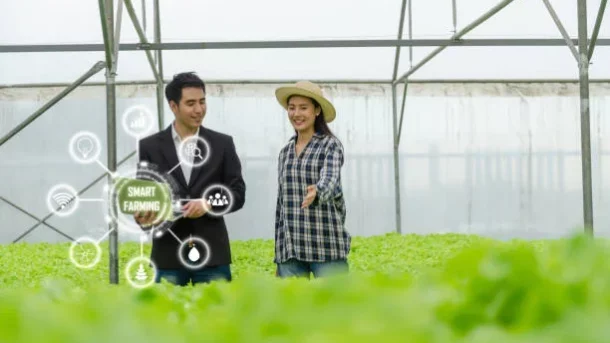
AgTech and Digital Agriculture: The use of technology to the farming industry, also referred to as AgTech or digital agriculture, presents considerable investment prospects. This includes financial commitments to farm management software, IoT gadgets, drones, and data analytics systems.

Alternatives to conventional field-based farming are becoming increasingly popular, including vertical farming and indoor agriculture. These cutting-edge techniques can increase crop yields while using fewer resources, making them desirable investment prospects.

Alternative Proteins: Due to shifting consumer preferences and sustainability worries, investments in alternative proteins, such as plant-based proteins and cultured meat, are expanding quickly.

Aquaculture: To fulfill the rising worldwide demand for seafood, aquaculture, or fish farming, is an industry with significant growth potential. Investments in cutting-edge technologies and environmentally friendly aquaculture methods are increasing.

What are the emerging technologies disrupting the agricultural market?

technologies disrupting

As technology develops, various new developments are upending the agricultural industry and transforming farming and agribusiness operations. These innovations are meant to increase agricultural productivity, sustainability, and effectiveness. The following are a few of the major new technologies disrupting the agriculture market:

Internet of Things (IoT): IoT devices and sensors are being used in agriculture to gather information on the health of crops, livestock behavior, weather patterns, and soil conditions. Real-time monitoring and data-driven decision-making are made possible by IoT, which optimizes resource consumption and boosts productivity.

Artificial intelligence (AI): Through data analytics, machine learning techniques, and predictive modeling, AI is revolutionizing the agricultural sector. Large datasets can be analyzed by AI to find patterns, forecast crop yields, plan planting times, and discover crop diseases.

Automation and robotics in agriculture: Planting, harvesting, weeding, and spraying are just a few of the duties that agricultural robots are supposed to carry out. Automation lessens the demand for manual work, solves the manpower shortage, and improves farming operations’ precision.

Drones and UAVs: Drones with cameras and sensors are used to monitor crops, map them, and determine the health of the plants. They enable focused interventions and give farmers insightful information about the state of their land.

Utilizing blockchain technologies disrupting, supply networks in agriculture can be made transparent and traceable. It increases consumer trust and food safety by enabling them to confirm the place of origin and travel of agricultural products.

What are the main obstacles faced in international agricultural trade?

international agricultural

Numerous challenges to international agricultural trade exist that may impede the free movement of agricultural products between nations. Trade regulations, technological specifications, logistical difficulties, and geopolitical factors can all be contributing factors to these barriers. The following are some of the major challenges to global agricultural trade:

Tariffs and Trade Barriers: international agricultural products may have less market access due to import tariffs and non-tariff barriers such import quotas, license requirements, and sanitary and phytosanitary measures (SPS).

Subsidies and Support: Some nations’ agricultural industries receive subsidies, which can affect global market pricing and the competitiveness of farmers in other nations who do not get such subsidies.

Trade Conflicts and Retaliatory Actions: Trade conflicts between nations can result in retaliatory actions, including tariffs or bans on particular agricultural items, which can stymie trade flows.

Technical Standards and rules: For exporters and importers, complying with various technical standards, labeling specifications, and food safety rules can be difficult and expensive.

Intellectual property rights: Trade in agricultural products may be impacted by disputes over intellectual property rights, particularly in the field of agricultural biotechnology.

Infrastructure and logistical problems: Poor transportation and storage systems can cause delays, product deterioration, and higher export and import prices for agricultural goods.