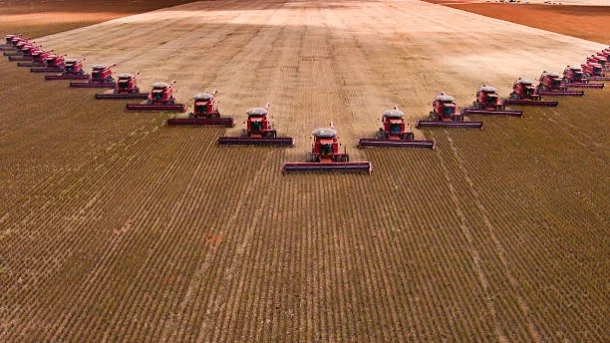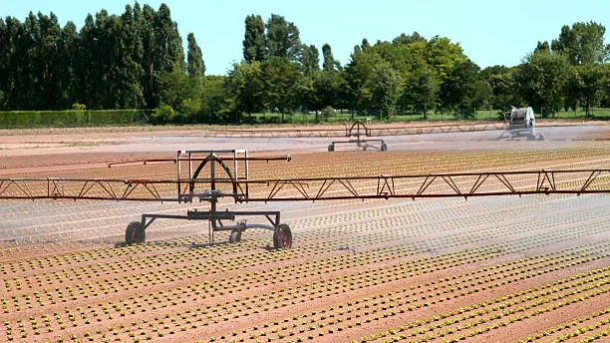
Farm equipments

What role does technology play in the modern agricultural market?

modern agricultural market

The modern agricultural market is transformed by technology, which has completely changed how farming and agribusiness are performed. Agtech, or improvements in agricultural technology, has the potential to increase profitability, productivity, and sustainability in the industry. Here are a few crucial functions that technology has in the contemporary modern agricultural market:

Precision farming: To gather information on soil conditions, weather patterns, and crop health, precision farming uses technology like GPS, sensors, drones, and satellite photography. Farmers can optimize inputs like water, fertilizer, and pesticides thanks to this data-driven methodology, which leads to higher yields and less resource waste.

Internet of Things (IoT): IoT devices are being used more frequently in agriculture to monitor and manage a variety of operations, from animal health monitoring to irrigation and temperature control. Real-time data collecting is made possible by IoT, which improves productivity and decision-making.

Data analytics and artificial intelligence (AI): By processing enormous amounts of agricultural data, data analytics and AI technologies support farmers in making data-driven decisions. In order to forecast crop yields, spot disease outbreaks, optimize planting times, and better manage farm operations, machine learning algorithms may analyze data from numerous sources.

Automation and robotics in agriculture: Planting, harvesting, weeding, and pruning are just a few of the jobs that agricultural robots are made to do. Automation eliminates the need for human work, boosts productivity, and can help with the agricultural industry’s labor issue.
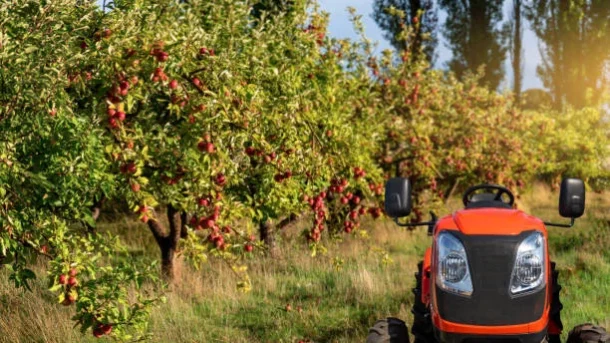
How can knowledge sharing platforms enhance the adoption of advanced agricultural practices?

knowledge sharing platforms

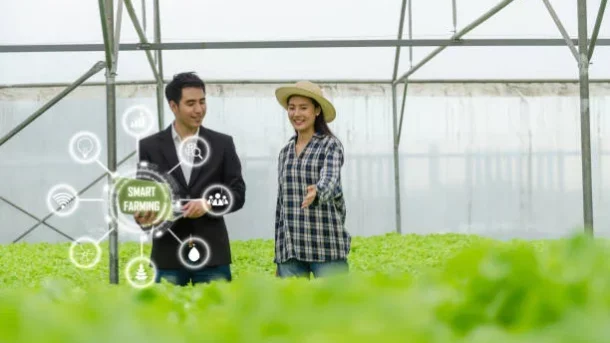
By allowing the exchange of knowledge, best practices, and experiences between farmers, researchers, professionals, and stakeholders, knowledge sharing platforms significantly contribute to the adoption of improved agricultural practices. Here are some ways that knowledge-sharing platforms can encourage the adoption of cutting-edge agricultural techniques:

Access to knowledge sharing platforms makes it simple to find a multitude of materials and information about cutting-edge agricultural techniques. These platforms can house databases, academic papers, case studies, instructions, and other pertinent materials. Farmers have access to this knowledge at their convenience, enabling them to learn about cutting-edge methods, strategies, and best practices.

Peer learning and collaboration are made possible through platforms for knowledge exchange, which connect farmers with their peers who have already embraced cutting-edge agricultural practices. Farmers can collaborate to learn by sharing their experiences, accomplishments, and difficulties. Farmers are more willing to try out novel techniques and technology as a result of peer-to-peer learning, which increases their trust, credibility, and confidence.

Expert counsel and recommendations: Agriculturists, researchers, and extension services frequently participate in knowledge-sharing platforms. Through online forums, webinars, or face-to-face contacts, farmers can get help from these professionals in the form of advice, direction, and assistance. The availability of specialist knowledge aids farmers in making knowledgeable decisions, resolving issues, and receiving advice tailored to their local environments.

Peer learning and collaboration are made possible through platforms for knowledge exchange, which connect farmers with their peers who have already embraced cutting-edge agricultural practices. Farmers can collaborate to learn by sharing their experiences, accomplishments, and difficulties. Farmers are more willing to try out novel techniques and technology as a result of peer-to-peer learning, which increases their trust, credibility, and confidence.

Expert counsel and recommendations: Agriculturists, researchers, and extension services frequently participate in knowledge-sharing platforms. Through online forums, webinars, or face-to-face contacts, farmers can get help from these professionals in the form of advice, direction, and assistance. The availability of specialist knowledge aids farmers in making knowledgeable decisions, resolving issues, and receiving advice tailored to their local environments.

What are the advantages of using autonomous farm equipment?

autonomous farm equipment

In contemporary agriculture, using autonomous agricultural equipment has a number of benefits. The following are some major advantages of using autonomous farm equipment:

Efficiency and productivity are improved because autonomous farm equipment may run constantly without being affected by worker fatigue or time restrictions. They are able to work continuously, maximizing working hours and raising general effectiveness. Autonomous technology aids farmers in completing chores more swiftly and efficiently by decreasing downtime and boosting production.

Precision and accuracy: Autonomous farm equipment is outfitted with cutting-edge technologies including computer vision systems, sensors, and GPS. Accurate and reliable performance is made possible by these technologies, which also enable accurate navigation, mapping, and operation. Application of inputs, such as fertilizers or insecticides, with precision ensures focused distribution, minimizes waste, and maximizes resource use.

Savings: The labor expenses associated with some farm operations may be reduced with the use of autonomous farm machinery. Farmers can reduce labor costs by using automation, especially for labor-intensive or repetitive tasks. Autonomous machinery can also optimize inputs like water, fertilizer, or fuel, eliminating waste and lowering operating expenses.

Safety and minimized human risk: The direct human engagement in potentially dangerous operations is eliminated by autonomous agricultural equipment, improving safety on the farm. There is less chance of accidents, injuries, or exposure to harmful substances when fewer people are involved in dangerous procedures. Additionally, autonomous equipment lessens operator tiredness, which is a factor in mistakes and accidents caused by people.

What is the potential of using artificial intelligence for plant disease diagnosis?

plant disease

For the diagnosis and management of plant disease, artificial intelligence (AI) has tremendous potential. Here are some ways AI can advance this area:

Early detection and diagnosis: AI systems can examine a lot of data, including photos, sensor readings, and historical records, to find and identify plant disease early on. AI may learn to recognize disease signs, trends, and indicators that may be challenging for human observers to notice by training machine learning models on a variety of datasets. Early detection allows for prompt intervention and therapy, which slows the progression and effects of disease.

Image analysis and recognition: AI-powered image recognition systems can examine plant photos taken by cameras or drones and spot lesions, lesions, illness symptoms, and other visual signs of disease. 

Remote sensing and data integration: AI can use remote sensing data to monitor crop health and spot disease outbreaks over wide areas, such as satellite imaging or drone-based multispectral photos. Artificial intelligence (AI) can evaluate complicated interactions and correlations to discover illness risk factors and forecast the prevalence of diseases by combining data from various sources, such as meteorological data, soil conditions, and historical records. The decision-making process for managing and preventing diseases is improved by this data-driven approach.

Disease modeling and prediction: Using environmental factors, crop growth stages, and past disease data, AI can create predictive models that predict disease outbreaks. Artificial intelligence (AI) algorithms can produce precise disease risk assessments and offer early warning systems by evaluating enormous datasets and locating pertinent variables. These forecasts assist farmers in implementing precautionary measures and resource of farm.

What is the primary goal of the National Mission on Agricultural Extension and Technology (NMAET)?

Agricultural Extension

The National Mission on Agricultural Extension and Technology (NMAET)’s main objectives are to improve agricultural extension services in India and encourage farmers to adopt cutting-edge agricultural technologies. Through efficient extension and technology distribution, the objective is to increase agricultural productivity, increase farmers’ income, and ensure sustainable agricultural growth.

The National Mission on Agricultural Extension and Technology’s main goals are as follows:

Enhancing the quality and scope of extension services will help NMAET achieve its goal of strengthening the current agricultural extension system. Enhancing the knowledge and abilities of extension staff, creating efficient communication channels, and employing information and communication technology (ICT) are all necessary to make it easier for farmers to receive agricultural information.

Dissemination and acceptance of technology: The objective is to encourage farmers to adopt cutting-edge agricultural technologies and best practices. By easing the flow of technology and knowledge from research centers to the field, it seeks to close the knowledge gap between farmers and academic institutions. Promoting the use of enhanced seeds, effective irrigation methods, crop management practices, mechanization, post-harvest technologies, and other innovations that help raise agricultural productivity and sustainability are a few examples of this.

NMAET places a strong emphasis on training and capacity development programs for farmers in order to improve their knowledge and abilities in contemporary agricultural methods. These training courses cover a wide range of subjects, such as methods for crop production, management of soil and water quality, control of pests and diseases, farm mechanization, value addition, and marketing tactics.

Increasing farmer empowerment through Farmer Producer Organizations (FPOs): To increase farmer empowerment, increase their negotiating power, and promote collective decision-making, the mission supports the development and strengthening of Farmer Producer Organizations (FPOs). Farmers can access inputs, loans, technology, and markets through FPOs, which helps to improve their socioeconomic circumstances.

Name a scheme that aims to promote the adoption of precision farming technologies.

precision farming technologies

The “National Mission on Agricultural Extension and Technology” (NMAET) is one program that tries to encourage the adoption of precision farming technologies in India. The Department of Agriculture, Cooperation & Farmers Welfare, Ministry of Agriculture and Farmers Welfare, Government of India, is responsible for implementing the National Mission on Agricultural Extension and Technology.

The Sub-Mission on Agricultural Mechanization’s (SMAM) primary goals and interventions typically consist of:

Financial Support: SMAM offers farmers financial support so they can use precision agricultural technologies. This covers assistance with the purchase or rental of machinery and equipment for precision farming, including GPS-based guidance systems, remote sensing tools, drones, equipment for variable rate technology (VRT), automated irrigation systems, and other instruments.

Building Capacity: The plan places a strong emphasis on training courses and capacity building programs for farmers and other agricultural professionals. To advance awareness, knowledge, and abilities connected to precision farming practices, training sessions, workshops, demonstrations, and technology transfer activities are organized.

Demonstration & Technology Dissemination: To highlight the advantages of precision agricultural technology and promote their uptake by farmers, SMAM supports their demonstration at various places. Through educational initiatives, field days, and the creation of model farms, it also encourages the distribution of information and knowledge regarding precision farming technologies.

Research and Development: The program funds initiatives for precision farming technologies research and development. The development and validation of novel technologies, techniques, and practices in precision farming is encouraged through partnerships with research organizations, agricultural universities, and technology vendors.

Name a scheme that aims to promote the use of farm machinery rental services.

farm machinery

The “Custom Hiring Centers (CHC) Scheme” or “Farm Machinery Bank Scheme” is one program that tries to encourage the usage of farm equipment rental services in India. The Department of Agriculture, Cooperation & Farmers Welfare, Ministry of Agriculture and Farmers Welfare, Government of India, is responsible for implementing the Custom Hiring Centers Scheme.

The Custom Hiring Centers Scheme’s primary goals typically consist of:

Promoting Access to Farm Machinery: By establishing Custom Hiring Centers (CHCs), the program seeks to improve farmers’ access to contemporary farm machinery and equipment. These CHCs work as machinery banks where farmers can rent or borrow equipment for a variety of agricultural tasks, including threshing, harvesting, sowing, and other farm chores.

Efficiency and Cost Reduction: By enabling the renting or hiring of machinery, the program aims to lower agricultural operating expenses and boost productivity. Through CHCs, shared equipment is made available to farmers, allowing them to spend less on expensive equipment purchases, upkeep, and storage while still having timely access to equipment during the busiest agricultural seasons.

Adoption of new agricultural technologies and farm equipment is encouraged by the Custom Hiring Centers Scheme among small and marginal farmers who might lack the funds to purchase their own equipment. It promotes the employment of cutting-edge equipment to boost farm operations and increase production and resource efficiency.

Building Capacity and Developing Skills: The program places a strong emphasis on helping farmers and machine operators grow their capacities and develop their skills.

What is the main objective of the National Mission on Agricultural Mechanization (NMAM)?

Agricultural Mechanization

In order to increase farm production, lessen labor-intensive tasks, and increase the effectiveness of agricultural operations, the National Mission on Agricultural Mechanization (NMAM) in India works to encourage the adoption of modern agricultural machinery and equipment. By giving farmers, service providers, and other agriculture sector stakeholders financial and technical support, NMAM seeks to hasten the development of agricultural mechanization.

The National Mission on Agricultural Mechanization’s primary goals typically consist of:

NMAM’s primary goal is to encourage the use of farm mechanization technologies, such as tractors, power tillers, harvesters, seeders, sprayers, and other pieces of agricultural machinery. In order to increase efficiency and lessen the physical strain on farmers, it seeks to replace conventional manual labor with mechanical procedures.

Financial Support and Subsidies: The mission offers farmers and small business owners financial support and subsidies for the purchase of agricultural machinery and equipment. It provides financial assistance in the form of loans, grants, subsidies, and leasing contracts to make it easier for people to afford to buy mechanization technologies.

Demonstration and Training: The NMAM stresses the value of programs that teach farmers and operators how to operate and maintain agricultural machinery effectively. It encourages the planning of training programs, workshops, and demonstrations to increase the ability of farmers and service providers to effectively use mechanized technologies.

Which scheme provides financial support for the establishment of farmer producer organizations (FPOs)?

farmer producer organizations

The “Scheme for Formation and Promotion of Farmer Producer Organizations (FPOs)” is the program that offers financial assistance for the creation of farmer producer organizations (FPOs) in India. The Department of Agriculture, Cooperation & Farmers Welfare, Government of India, is in charge of carrying out the program.

The Scheme for the Formation and Promotion of Farmer Producer Organizations has the following primary goals:

Promote the formation and development of Farmer Producer Organization (FPOs): The initiative intends to promote FPO formation and growth. FPOs are collective organizations created by farmers to raise their income, market access, and bargaining strength. The program offers financial help for the creation and operation of FPOs.

Institutional Development: The plan is centered on the establishment of FPOs‘ institutional frameworks. It offers assistance with tasks including registration, capacity building, organizational growth, governance, and bolstering FPOs‘ internal processes. In order to improve the management and operation of FPOs, this includes providing financial support for training programs, workshops, exposure visits, and professional services.

Infrastructure and Equipment: The program offers financial assistance for the construction of necessary infrastructure and the purchase of equipment for FPOs. Support for the construction of shared facilities such storage facilities, processing units, grading units, packaging units, and marketing infrastructure is included in this. Additionally, financial support is given for the acquisition of machinery, tools, and vehicles needed for FPO operations.

What is the main objective of the National Mission on Agricultural Extension and Technology (NMAET)?

Agricultural Extension and Technology

In order to increase the distribution of agricultural technologies and knowledge to farmers, the National Mission on Agricultural Extension and Technology (NMAET) in India seeks to strengthen and improve the agricultural extension system. NMAET strives to close the knowledge gap between agricultural research and farmers by facilitating the efficient dissemination of contemporary agricultural knowledge, methods, and technologies that will increase farm production and farmers’ standard of living.

The National Mission on Agricultural Extension and Technology primary goals typically consist of:

Enhancing Extension Services: NMAET focuses on enhancing the ability, expertise, and knowledge of extension employees in order to strengthen the agricultural extension system. It strives to improve their capacity to efficiently convey to farmers scientific knowledge, technical breakthroughs, and best practices.

Farmer Education and Training: To improve farmers’ knowledge and abilities in contemporary agricultural methods, the mission places a strong emphasis on programs that educate and teach farmers. It supports projects that encourage the use of better technology and methods, such as field demonstrations, training courses, workshops, and exposure tours.

Agriculture and Information and Communication Technology (ICT): NMAET encourages the use of ICT tools in agriculture to enhance extension services. In order to give farmers timely and pertinent information on weather forecasts, market pricing, crop management techniques, and other agricultural services, it promotes the creation and usage of digital platforms, mobile applications, and other ICT-based solutions.