farming practices

How are biofertilizers produced?

biofertilizers produced

Biofertilizers are created using a number of meticulously controlled procedures that involve the culture and expansion of a select group of advantageous microorganisms. The following steps are commonly included in the manufacturing of biofertilizers produced:

The first phase in the microbe selection process is to locate and choose the particular strains of microorganisms that have the features necessary for nitrogen fixation, phosphorus solubilization, or other advantageous processes. The majority of these strains are native to the area or develop naturally there.

The appropriate strains are extracted from their natural sources, such as soil, plant roots, or nodules, and then grown in pure cultures. To guarantee genetic stability and consistency in their characteristics, the separated microbes are subsequently cultured in pure culture.

Culture Media Preparation: A good, nutrient-rich culture medium is necessary for the synthesis of biofertilizer.

To create an inoculum of biofertilizers produced, a tiny amount of the pure microbial culture is added to a larger culture vessel that already has the culture medium prepared. This first culture acts as the beginning culture or inoculum for the generation of biofertilizer.

Fermentation: In a controlled setting, such as a fermenter or bioreactor, the inoculum is allowed to develop and grow. The bacteria quickly multiply and take nutrients from the culture media during fermentation.

Harvesting the biomass: The microbial biomass is removed from the culture medium once the fermentation process is finished and it has reached the desired concentration. Centrifugation, filtration, and sedimentation are just a few of the different techniques that can be employed to separate biomass.

How do nitrogen-fixing biofertilizers work?

nitrogen-fixing

Specific bacterial strains, including Rhizobium, Azotobacter, and Azospirillum, are found in nitrogen-fixing biofertilizers. These bacteria have the capacity to change atmospheric nitrogen (N2) into a form that plants can use, often ammonia (NH3) or nitrate (NO3-). Since nitrogen is a vital component needed for many biological activities, including protein synthesis and cell division, this procedure, known as nitrogen fixation, is necessary for plant growth.

How nitrogens-fixing biofertilizers function is as follows:

Colonization of plant roots: The soil must first be amended with bacteria that fix nitrogens. With some plants, mainly leguminous ones like peas, beans, lentils, and clover, these bacteria create a symbiotic connection. For instance, the bacteria Rhizobium produce nodules when they form a mutualistic interaction with the roots of legumes.

Nodule formation: The nitrogen-fixing bacteria cause nodules to develop on the roots of the host plant. The nitrogens fixation process takes place in these nodules, which act as specialized structures. The bacteria thrive and reproduce inside the nodules, receiving carbohydrates and other nutrients in exchange from the plant.

Nitrogen fixation: The bacteria that fix nitrogens have an enzyme called nitrogenase that helps turn atmospheric nitrogens (N2) into ammonia (NH3) inside the nodules. This is a very energy-intensive process that needs the plant to provide a significant quantity of energy in the form of sugars.

Ammonia assimilation: The plant uses the ammonia that the nitrogen-fixing bacteria have created to synthesize numerous nitrogens-containing substances, including proteins and amino acids. These substances are necessary for the plant’s growth and development.

Enhanced plant growth: Nitrogen-fixing biofertilizers boost the nitrogens availability of plants by capturing atmospheric nitrogens and supplying it to them, which fosters better growth, higher biomass, and better crop yields.

How does the use of remote sensing technology benefit the agricultural market?

remote sensing

The agricultural industry benefits greatly from the use of remote sensing technologies, which has transformed how farmers manage their crops and increased total agricultural productivity. Remote sensing is the process of gathering data about the surface of the Earth from a distance, frequently with the help of satellites, drones, or airplanes fitted with various sensors. The agriculture market benefits from remote sensing technology in the following ways:

Agriculture management techniques that are precise and targeted are made possible by remote sensing. In order to apply inputs like fertilizer, herbicides, and water more effectively, reduce waste, and maximize yields, farmers can measure the variability of their fields.

Crop Monitoring and Health Assessment: Remote sensings makes it possible to monitor crops continuously and in real time. Farmers are able to check the health of their crops, pinpoint stressors, and take timely action in the event of problems by evaluating multispectral and thermal data.

Early Pest and Disease Detection: Remote sensings can identify pest and disease symptoms before they are visible to the naked eye. Farmers can take preventative actions and reduce potential crop losses thanks to this early discovery.

Water management: Using remote sensings technologies, farmers may more precisely track water use and track the amount of moisture in the soil. This aids in cost-effective irrigation management, water resource conservation, and expense reduction.

How does the adoption of precision agriculture technologies affect farm profitability?

precision agriculture

By enhancing productivity, lowering input costs, maximizing resource utilization, and raising yields, the adoption of precision agriculture technologies can have a substantial beneficial influence on farm profitability. Using cutting-edge technology, data analytics, and real-time monitoring, precision agriculture enables knowledgeable and site-specific decisions to be made about farming operations. The following are some ways that implementing precision agricultural technologies can raise farm profitability:

Optimum Resource Use: Precision agricultural technology allow farmers to apply inputs like water, herbicides, and fertilizers precisely where they are needed. Farmers can limit waste and lower input costs, which will result in cost savings and enhanced profitability, by using these resources only where and when necessary.

Increased Yield: Through the use of precision agriculture, farmers can recognize variability in their fields and adjust their management strategies as necessary. This focused strategy can boost crop health and production, resulting in greater yields and more substantial profits.

Reduced Environmental Impact: Precision agriculture can support environmental sustainability by maximizing input utilization and minimizing chemical application. The reputation of the farm and its goods can thus be enhanced, which may result in premium pricing and competitive advantages in the market.

Real-time monitoring: Farmers may access real-time information on crop health, soil conditions, and weather thanks to precision agricultural tools. With the aid of this information, farmers are able to react quickly to shifting environmental factors, avoiding or minimizing potential problems that can adversely affect yields and profitability.

What are the prospects for agricultural market development in Asia?

agricultural market

The prospects for the expansion of the agricultural market in Asia were generally favorable as of my most recent knowledge update in September 2021, but there are a number of obstacles and chances. It’s important to remember that the situation may have changed since then, and particular events may have taken place in various Asian nations. Here are some significant factors affecting Asian agricultural market development prospects:

Rising Population and Urbanization: The world’s most populous nations are found in Asia. Urbanization and population growth are pushing up demand for food and agricultural goods, opening up prospects for the agricultural sector to flourish.

Dietary Preferences: There is a movement in dietary preferences towards higher-value and protein-rich foods, particularly meat and dairy products, as wages rise and lifestyles change.

Technology Adoption: A number of Asian nations are making investments in agricultural technologies and innovations, including biotechnology, digital farming, and precision agriculture. Adopting modern farming methods can boost the industry’s productivity and effectiveness.

Expanding Export Possibilities: Asia is becoming a more significant player in the world’s agricultural trade as its exports of agricultural products have been rising. Opportunities for exporting are expanding, which could lead to economic expansion and money generating.

Practices of Sustainable Agriculture: The region is adopting sustainable agriculture methods as a result of worries about the region’s environmental stability and the effects of climate change. The competitiveness of Asian agricultural products on the global market can be increased by using sustainable techniques, which can also open up new markets.

What is the significance of land tenure systems in agricultural markets?

land tenure systems

As they specify the rights and arrangements by which people or organizations can access, use, and control land resources for agricultural purposes, land tenure systems play a vital role in agricultural markets. Land tenure systems have a significant impact on farmers, investors, agricultural production, rural development, and overall food security. Their role in agricultural markets is varied. The following are some important facets of the importance of land tenure systems:

Incentive for Investment: Farmers have the confidence to invest in long-term improvements to their property, such as irrigation, soil conservation, and infrastructure development, thanks to secure and well defined land tenure rights. As a result, agricultural output is encouraged, and sustainable land management techniques are promoted.

Access to Credit and Financing: Farmers with secure land tenure can use their property as security to get credit and financing for equipment, agricultural supplies, and other investments. Credit availability can increase agricultural output and support rural development.

Land tenure security gives farmers a sense of stability and confidence in their farming endeavors. It promotes risk-taking and long-term planning, which boosts agricultural output.

Different land tenure systems, such as private ownership, community land, and leasing agreements, cater to various farming practices and cultural norms. Land Allocation and Tenure Diversity. The optimal use of land resources and equal access to land for various types of farmers are both guaranteed by proper land allocation.

What are the factors contributing to the rise in vertical farming?

vertical farming

Several elements that make this cutting-edge agricultural method more appealing to farmers, investors, and consumers are behind the development in vertical farming. The following are some of the main causes of the development of vertical farming:

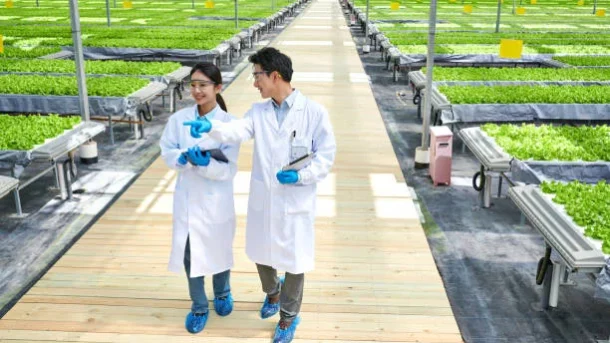
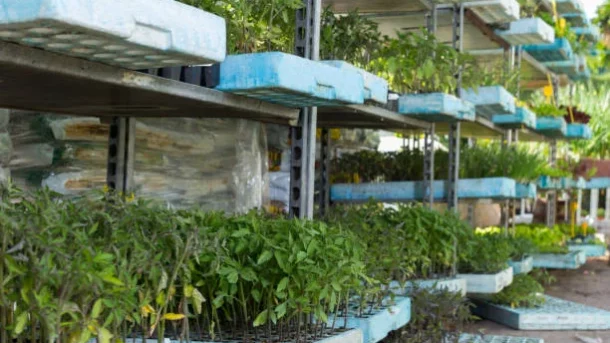
Limited Arable Land: Due to urbanization, soil deterioration, and other factors, there is a decreasing amount of arable land available. When opposed to conventional horizontal farming techniques, vertical farming enables agriculture to be carried out in vertical stacks or levels, using less area.

Urbanization and Population Growth: As the world’s population continues to rise and more people live in cities, there is a rising need for fresh produce that is cultivated nearby. Urban populations can obtain fresh produce from vertical farms that can be erected in or close to cities, cutting down on transit costs.

Climate Change and Extreme Weather Events: As the frequency of extreme weather events like droughts and floods rises, climate change causes problems for traditional agriculture. Vertical farms provide improved climatic resilience and protection against inclement weather because they frequently operate in controlled surroundings.

Water conservation: When compared to conventional open-field agriculture, vertical farming uses much less water thanks to its sophisticated irrigation systems. By precisely delivering water to plant roots, methods like hydroponics and aeroponics help to reduce water waste.

Production All Year Long: Vertical farms may run all year long, regardless of the seasons or the weather. A consistent supply of fresh vegetables is ensured by this ongoing production throughout the entire year.

How do market trends influence agricultural production practices?

market trends

Farmers and agricultural producers adapt their techniques to changing customer preferences, market needs, and economic conditions, which has a substantial impact on market trends. The agricultural industry is very dynamic and adaptable, and production strategies are frequently influenced by market signals and new trends. Following are some ways that market trends affect agricultural production methods:

Changes in Consumer Preferences: Farmers may modify their production techniques to accommodate changes in consumer preferences, such as rising demand for organic, non-GMO, or locally sourced goods.

Rising Global Demand: Farmers may concentrate on producing crops or livestock that are in high demand as a result of growing population and rising incomes in some countries, which can lead to an increase in demand for specific agricultural commodities.

Market trends that place a strong emphasis on environmental stewardship and sustainability may have an impact on agricultural operations. To fulfill customer expectations, farmers may use precision agriculture, conservation tillage, and other sustainable practices.

Value-Added Products: Farmers may be encouraged to diversify their operations and take part in on-farm processing or partnerships with food processors as a result of the market trend toward value-added and processed agricultural products.

Technological Advancements: To maximize resource utilization and boost yields, new technologies and precision farming techniques are frequently used as a result of market trend that favor productivity and efficiency.

What are the opportunities for agricultural investments in the current market?

current market

Due to changing current market conditions, rising global food consumption, and the introduction of cutting-edge technologies in the agriculture industry, there are several chances for investments in the area. The following are some of the main chances for investing in agriculture:

Investments in sustainable agricultural approaches of current market, such as organic farming, regenerative agriculture, and precision farming technologies, are gaining ground. Consumers and investors alike are demonstrating an increasing preference for farming techniques that are socially and environmentally conscious.

AgTech and Digital Agriculture: The use of technology to the farming industry, also referred to as AgTech or digital agriculture, presents considerable investment prospects. This includes financial commitments to farm management software, IoT gadgets, drones, and data analytics systems.

Alternatives to conventional field-based farming are becoming increasingly popular, including vertical farming and indoor agriculture. These cutting-edge techniques can increase crop yields while using fewer resources, making them desirable investment prospects.

Alternative Proteins: Due to shifting consumer preferences and sustainability worries, investments in alternative proteins, such as plant-based proteins and cultured meat, are expanding quickly.

Aquaculture: To fulfill the rising worldwide demand for seafood, aquaculture, or fish farming, is an industry with significant growth potential. Investments in cutting-edge technologies and environmentally friendly aquaculture methods are increasing.

What role does technology play in the modern agricultural market?

modern agricultural market

The modern agricultural market is transformed by technology, which has completely changed how farming and agribusiness are performed. Agtech, or improvements in agricultural technology, has the potential to increase profitability, productivity, and sustainability in the industry. Here are a few crucial functions that technology has in the contemporary modern agricultural market:

Precision farming: To gather information on soil conditions, weather patterns, and crop health, precision farming uses technology like GPS, sensors, drones, and satellite photography. Farmers can optimize inputs like water, fertilizer, and pesticides thanks to this data-driven methodology, which leads to higher yields and less resource waste.

Internet of Things (IoT): IoT devices are being used more frequently in agriculture to monitor and manage a variety of operations, from animal health monitoring to irrigation and temperature control. Real-time data collecting is made possible by IoT, which improves productivity and decision-making.

Data analytics and artificial intelligence (AI): By processing enormous amounts of agricultural data, data analytics and AI technologies support farmers in making data-driven decisions. In order to forecast crop yields, spot disease outbreaks, optimize planting times, and better manage farm operations, machine learning algorithms may analyze data from numerous sources.

Automation and robotics in agriculture: Planting, harvesting, weeding, and pruning are just a few of the jobs that agricultural robots are made to do. Automation eliminates the need for human work, boosts productivity, and can help with the agricultural industry’s labor issue.