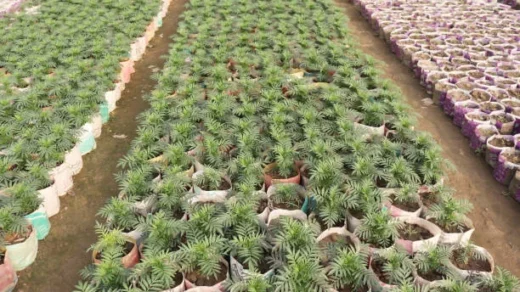
The agricultural industry benefits greatly from the use of remote sensing technologies, which has transformed how farmers manage their crops and increased total agricultural productivity. Remote sensing is the process of gathering data about the surface of the Earth from a distance, frequently with the help of satellites, drones, or airplanes fitted with various sensors. The agriculture market benefits from remote sensing technology in the following ways:
Agriculture management techniques that are precise and targeted are made possible by remote sensing. In order to apply inputs like fertilizer, herbicides, and water more effectively, reduce waste, and maximize yields, farmers can measure the variability of their fields.
Crop Monitoring and Health Assessment: Remote sensings makes it possible to monitor crops continuously and in real time. Farmers are able to check the health of their crops, pinpoint stressors, and take timely action in the event of problems by evaluating multispectral and thermal data.
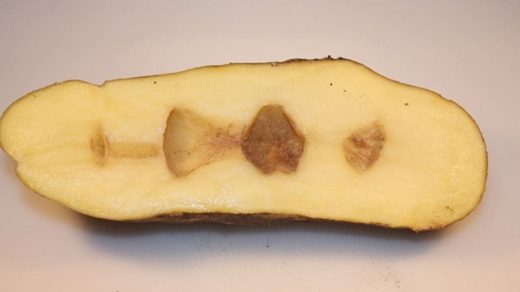
Early Pest and Disease Detection: Remote sensings can identify pest and disease symptoms before they are visible to the naked eye. Farmers can take preventative actions and reduce potential crop losses thanks to this early discovery.
Water management: Using remote sensings technologies, farmers may more precisely track water use and track the amount of moisture in the soil. This aids in cost-effective irrigation management, water resource conservation, and expense reduction.