Access to resources is restricted for women frequently, including to land, loans, inputs, and technologies. Women’s access to land ownership and control can be limited by discriminatory societal norms and legislative restrictions, which makes it harder for them to finance and profit from agricultural endeavors. Women’s ability to grow their agricultural businesses or embrace contemporary farming methods is further hampered by their limited access to credit and financial services.
Unfair participation and decision-making: Women frequently have little voice in policy, community, and farm decision-making. Women are restricted by conventional gender roles and stereotypes to performing mostly unpaid domestic and caregiving duties, while men predominate in making decisions about farming, marketing, and resource allocation. Women’s views and perspectives are being marginalized, which reduces their influence on agricultural policies.
Unfair access to education and training: Women frequently have lower levels of education and training than men, especially in rural areas. This restricts their access to technical education, contemporary farming methods expertise, and agricultural extension services. As a result, women may rely on conventional farming practices that are less productive, which lowers production and decreases resilience to problems like climate change.
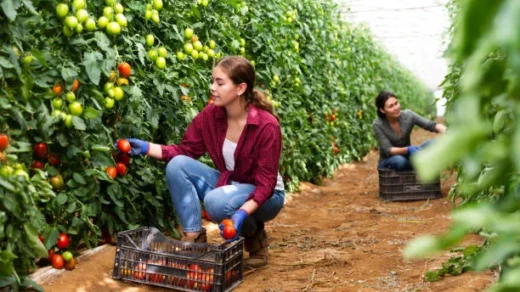
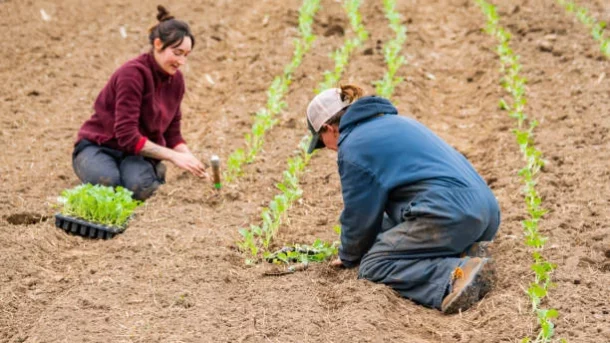
Unpaid and undervalued labor: Women’s contributions to agriculture, such as their unpaid domestic and agricultural work, are sometimes overlooked and underappreciated. Women perform a variety of responsibilities in agriculture, including planting, weeding, harvesting, and post-harvest work, yet their work is sometimes overlooked in official statistics and in agricultural policies and initiatives. This lack of visibility strengthens the undervaluation of women’s contributions and gender inequality.