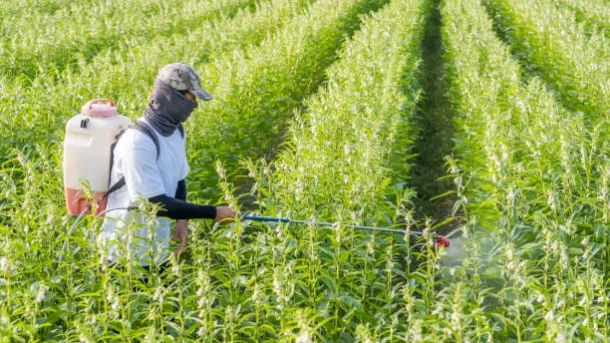
Farm operations may be hampered by a manpower shortage in the agricultural industry, especially during times of high labor demand like planting, harvesting, and post-harvest activities. Farmers might find it difficult to quickly fill open positions with enough people. Delays in planting or harvesting, decreased effectiveness, and significant production losses can result from this.
Increasing labor prices: When there is a shortage of agricultural workers, demand for labor sometimes outpaces supply, driving up labor expenses. To recruit and keep employees, farmers might need to give greater compensation or other benefits. Profit margins may be squeezed as a result of these higher labor costs, particularly for small-scale farmers who may already be operating on a tight budget.
Dependence on migrant labor: Farmers may extensively rely on migrant labor in areas with a shortage of local workers, which might present new difficulties. When it comes to accommodation, transportation, and compliance with labor laws and regulations, migrant labor frequently necessitates specific measures. Farm operations can be disrupted and farmers who depend on migrant labor may experience uncertainty due to changes in immigration laws or the availability of this workforce.
Lack of skilled workers: For some farming operations, in addition to general agricultural labor, the availability of skilled and specialized workers is also crucial. Professionals like agricultural engineers, agronomists, veterinarians, and equipment technicians are examples of skilled labor. The adoption of cutting-edge technologies, precision farming methods, and effective farm management strategies, which call for specific knowledge and skills, may be constrained by the lack of skilled workers.