Temperature: The right time to grow and harvest crops is greatly influenced by temperature. For best growth and development, various crops require particular temperature ranges. When deciding when to start planting and harvesting, farmers take the typical temperatures during particular times, such as spring or fall, into consideration. When the soil has adequately warmed up, crops that need higher temperatures, such maize or tomatoes, are often planted. Similar to this, to prevent damage, crops that are vulnerable to frost, such some vegetables, are often planted after the final anticipated frost date.
Frost-Free Period: The amount of time between the last spring frost and the first fall frost, known as the “frost-free period,” affects the growing season and establishes when to plant and harvest.
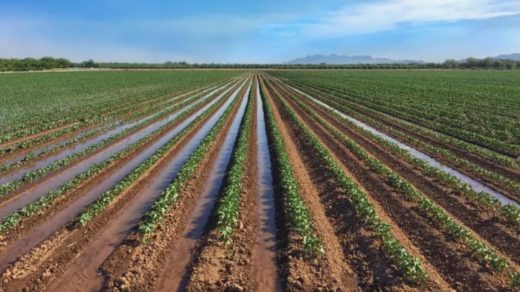
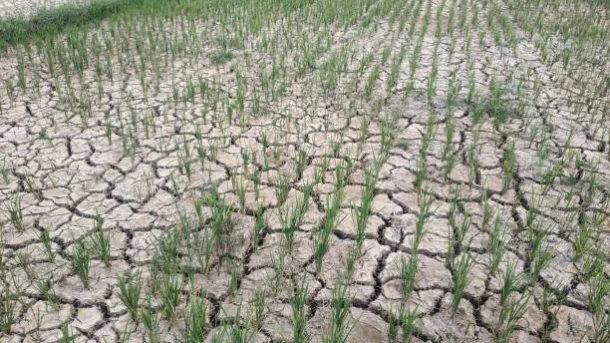
Rainfall: Successful seed germination and early crop growth depend on sufficient soil moisture. When choosing when to plant, farmers take into account the frequency of rainfall and the accessibility of water for irrigation. In seasons with minimal rainfall, planting too early can lead to poor germination, and planting later in a season with plenty of rain can lead to yield losses since the growing season is reduced.
Growing degree days (GDD) are a measurement of the amount of heat that has collected above a certain temperature threshold. They give an estimate of the amount of thermal time needed for crop development and growth. GDD calculations are used by farmers to monitor crop growth and choose the best window for planting and harvesting.