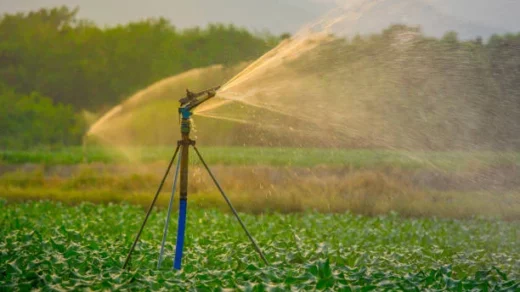
Precipitation Pattern Changes: As a result of climate change conditions, precipitation timing, intensity, and distribution may all vary. Some areas might see an increase in precipitation, which would lead to more frequent and severe storms and flooding events. Other areas might experience reduced rainfall and protracted droughts. The customary supply of water availability for agriculture may be disrupted by these changes, which will make irrigation and crop watering requirements more difficult.
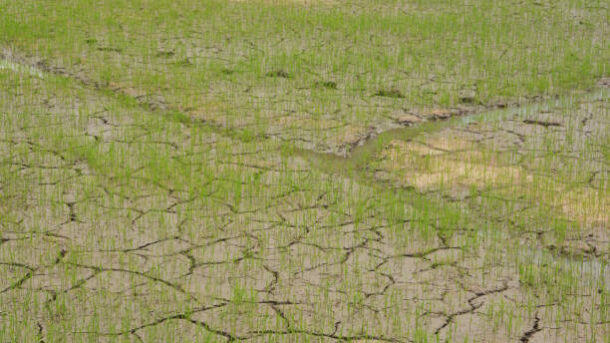
Droughts and Water Scarcity: Drought conditions might get worsened in many places due to rising temperatures and shifting precipitation patterns. Droughts cause crops to have less access to water and less soil moisture, which causes water stress and lower agricultural output. Farmers may have trouble getting enough water for irrigation in areas that are prone to drought, which can lead to output losses and crop failures.
Increased Evaporation and Transpiration: As a result of climate change, temperatures are rising, which causes soil, water, and agricultural evaporation rates to increase. This enhanced evaporation can worsen water loss from agricultural systems when combined with higher rates of plant transpiration. It implies that more water is needed to meet crop water requirements, thereby taxing water supplies and escalating problems with water scarcity.
Changes in Snowmelt and Glacier Retreat: Snowmelt and glacier-fed rivers are a major source of irrigation for many agricultural regions. Snowfall timing, quantity, and glacier retreat can all be affected by climate change. These modifications have an impact on melt water availability, which disrupts the natural water supply for agriculture.