Brexit, the British government’s decision to leave the European Union (EU), might have a number of effects on the agricultural market, affecting a variety of elements of the sector. The following are some of the most significant potential effects:
Trade and Tariffs: Following Brexit, the UK left the Common Agricultural Policy (CAP) of the EU. Changes in trade agreements and the enactment of new tariffs or non-tariff barriers on the exchange of agricultural products between the UK and the EU may result from this. These modifications may affect the price and accessibility of agricultural products for farmers and consumers in the UK and the EU.
Supply Chains and Logistics: The new trade agreements may interfere with current agricultural supply chains and logistics, which could result in delays and higher prices for crossing international borders.
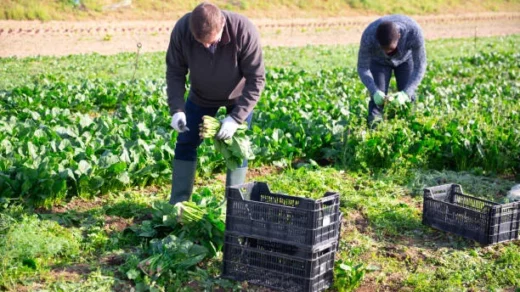
Access to Labor: Seasonal laborers from other EU nations have been a staple of the UK’s agricultural industry. Brexit might lead to harsher immigration regulations, which would impact the cost and availability of labor for harvesting and other agricultural tasks.
Standards and rules: Following Brexit, the UK will be able to establish its own agricultural standards and rules. This might result in a departure from EU norms, which might have an impact on trade agreements with the EU and other nations.
Subsidies and Support: As a result of the UK government’s withdrawal from the EU’s CAP, it is now free to create its own domestic agricultural subsidies and support initiatives.