POSTEDITOR OFFICE

What are the advancements in biofuel production from agricultural waste?

biofuel

In order to generate energy from renewable and sustainable sources, there have been substantial improvements in the manufacture of biofuel from agricultural waste in recent years. Here are some significant developments in this area:

Research has progressed in examining a variety of agricultural waste products as feedstock for the creation of biofuels. Dedicated energy crops, food processing waste, forestry residues, animal manure, and crop residues (such as maize stover, wheat straw, and rice husks) are all included in this. Biofuel production can become more sustainable and less dependent on conventional food crops by expanding its feedstock sources.

A key role is played by enzymes and microorganisms in the enzymatic and microbial conversion of agricultural waste into biofuels. The conversion of cellulose and hemicellulose into fermentable sugars has been facilitated by improvements in enzyme technologies, including the creation of more effective enzymes and enzyme combinations. The performance of microorganisms used for fermentation, such as yeast and bacteria, has also been improved through the application of genetic engineering and metabolic engineering techniques, which has raised biofuel yields and improved fermentation efficiency.

Consolidated Bioprocessing (CBP): CBP is a newly developed method that integrates fermentation, enzymatic hydrolysis, and enzyme synthesis into a single stage. This streamlines the manufacture of biofuel, lowers expenses, and boosts overall effectiveness. CBP uses genetically modified microbes to manufacture enzymes and turn biomass into biofuels in a sustainable manner.

How are AI-driven decision support systems used in agricultural planning?

AI-driven

AI-driven decision support systems are being used more and more in agricultural planning to boost productivity and decision-making. The following are some applications of AI-driven decision support systems in agricultural planning:

Yield Prediction and Optimisation: To anticipate agricultural yields, AI systems examine a variety of data sources, including historical yield data, weather patterns, soil conditions, and crop management techniques. These systems can continuously learn and improve their predictions over time by using machine learning techniques. These yield forecasts can help farmers make the best planting choices, choose the right crop kinds, allocate resources wisely, and manage crop rotations.

Crop Planning and Selection: AI-driven decision support systems help farmers choose the best crops for their unique conditions and objectives. To suggest the ideal crops, these algorithms take into account variables including soil type, climate, market demand, and profitability analyses. These systems assist farmers in making well-informed decisions about crop selection and planning by analysing enormous amounts of data and taking into account many aspects.

Irrigation Management: AI-based decision support systems that analyse data from a variety of sources, such as weather forecasts, soil moisture sensors, and crop water requirements, aid in the optimisation of irrigation practises. To guarantee that crops receive the proper amount of water at the proper time, these devices can offer real-time advice for irrigation scheduling. This raises crop output, reduces water waste, and increases water usage efficiency.

What are the benefits of using smart pest management systems?

smart pest

Early Disease and Pest Detection: To identify illnesses and pests at an early stage, smart pest management systems make use of sensors, imaging technology, and data processing. These systems can detect pest infestations before they become severe by continuously monitoring fields and crops. This enables quick intervention and reduces considerable damage.

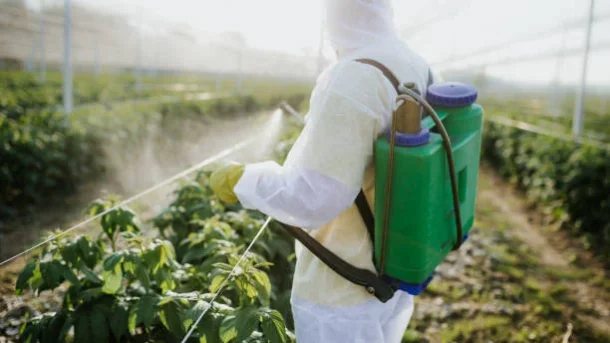
Targeted and accurate Treatment: Smart pest control solutions make it possible to treat pests in a targeted and accurate manner. These systems can choose the best time, place, and amount of pest control measures by using data from sensors, satellite imaging, and weather forecasts. This focused strategy enables effective pest management while minimising the use of pesticides and their negative effects on the environment.

Better Crop Health and Quality: By assuring prompt and effective pest control methods, smart pest management systems assist maintain crop health and quality. These technologies avoid crop damage, preserve optimal plant growth, and improve the general quality of agricultural produce by successfully managing insect populations.

Smart pest control systems produce an abundance of data about pest dynamics, environmental factors, and treatment efficacy. Informed decisions about pest management tactics, crop rotation, and planting schedules can be made using this data after analysis. Farmers can optimise their pest control techniques, increase output, and improve farm management practises by utilising data-driven insights.

How is remote sensing used for monitoring water resources in agriculture?

remote sensing

By providing useful data on soil moisture, irrigation effectiveness, water stress, and water availability, remote sensing plays a critical role in monitoring water resources in agriculture. Here are some examples of how remote sensing is applied to monitoring agricultural water resources:

Soil Moisture Monitoring: To determine the amount of soil moisture in agricultural fields, remote sensing techniques including passive and active microwave sensing are used. Spatial and temporal data on soil moisture levels by measuring the electromagnetic signals that are reflected or emitted by the soil. By using this knowledge, farmers can plan their irrigation systems and use water more efficiently by knowing when and how much water to apply.

Assessment of Irrigation Efficiency: By measuring crop water use and water stress, remote sensing enables the evaluation of irrigation efficiency. Calculating crop evapotranspiration (ET) rates involves examining the thermal characteristics of plants to determine water usage. Changes in irrigation timing or methods may be necessary if deviations from the norm in ET rates are a sign of water stress or ineffective irrigation tactics.

Water Availability Mapping: By keeping an eye on bodies of surface water, such as lakes, reservoirs, and rivers, remote sensing may gather data on water availability. Water extent, water levels, and changes in water bodies over time can all be measured by satellite-based sensors. This information aids in determining the amount of water available for irrigation needs and efficient use of water resources.

What are the advancements in farm robotics for weed control?

weed

In order to lessen the need for herbicides and labor-intensive physical labour, farm robotics for weed control have made major strides in recent years. Here are a few noteworthy developments in this area:

Automated weed identification systems are being created using cutting-edge image technology including computer vision and machine learning algorithms. These systems examine crop photos and recognise weeds based on their visual traits, enabling focused and accurate weed management.

Robotic weed removal: To automatically find and get rid of weeds in agricultural fields, robotic technologies are being developed. These robots physically remove or destroy weeds using a variety of techniques, including mechanical arms or instruments. Some robots use artificial intelligence to distinguish between crops and weeds, allowing for the selective and accurate removal of the latter.

Robotic sprayers that are equipped with precision spraying technology are utilised to apply herbicides precisely where they are needed. These devices use imaging and sensor technology to instantly find and locate weeds. Herbicides are then only applied by sprayers to the specific weeds that need them, minimising chemical use and harm to the environment.

How is blockchain technology being used for fair trade in agriculture?

fair trade

Blockchain can be used to store and verify certifications for fair trade, organic farming, sustainability standards, and other morally upstanding practises. It is simpler to verify the validity and compliance of items by digitising and safely preserving certification data on the blockchain, which lowers the risk of fraud and misrepresentation.

Fair Pricing and Direct Transactions: Blockchain technology can let farmers and buyers conduct direct transactions, doing away with the need for middlemen and enabling direct transactions. Self-executing contracts known as “smart contracts,” which are kept on the blockchain, can automate and enforce agreed-upon terms to guarantee that farmers are fairly compensated for their output.

Auditing and Dispute Resolution: Blockchain-based technologies can support effective and transparent dispute resolution processes. The permanent records on the blockchain and smart contracts can assist automate and streamline the dispute resolution process, assuring fair treatment for all parties. Additionally, blockchain-based auditing can facilitate effective supply chain practises monitoring and offer verifiable proof of conformity with fair trade rules.

Fair trade projects in agriculture can improve transparency, traceability, and accountability by using blockchain technology, encouraging moral and sustainable practises. Blockchain fosters fair pricing for farmers, gives them the ability to make educated decisions, and opens up potential for financial inclusion and direct commerce. In the end, blockchain technology promotes trust and helps to establish a more fair and sustainable agriculture supply chain.

What are the benefits of using controlled environment agriculture?

controlled

Growing crops in an enclosed space where environmental factors like temperature, humidity, light, and CO2 levels are strictly regulated, such as greenhouses or vertical farms, is known as controlled environment agriculture (CEA). The following are some advantages of employing agriculture in a controlled environment:

Crops may be produced year-round under CEA, regardless of seasonal fluctuations and environmental conditions. Farmers can lengthen the growing season, grow crops in areas with difficult climates, and guarantee a steady and dependable supply of fresh produce all year long by managing the environment.

Increased Crop Yields: Crops grow best in the regulated environment of the CEA, which increases crop yields. Temperature, light intensity, humidity, and CO2 levels may all be precisely adjusted to meet the unique requirements of each crop, resulting in a faster and more vigorous rate of growth. Furthermore, the absence of illnesses and pests that are typically associated with open-field agriculture helps to protect crops, further increasing yields.

Water Conservation: CEA systems are made to use very little water. The use of water is reduced using methods like hydroponics and aeroponics, which are frequently utilised in CEA. These methods provide precise amounts of water right to the roots of plants. Additionally, compared to conventional irrigation methods, closed-loop irrigation systems in CEA reduce water loss through evaporation and enable water recycling.

How are machine learning algorithms used for yield optimization?

yield optimization

Increasingly, agricultural yield optimization uses machine learning methods. In order to maximise crop yields, these algorithms analyse vast volumes of data and generate predictions or suggestions. The following are some significant applications of machine learning for yield optimization:

Machine learning algorithms can estimate crop yields by analysing historical and current data on weather patterns, soil conditions, crop traits, and management techniques. These algorithms produce yield estimates by taking into account a number of variables and their interconnections, assisting farmers and agronomists in making defensible choices about inputs, irrigation, and crop management techniques.

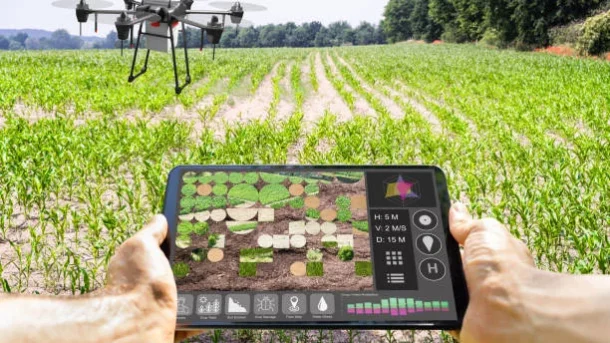
Variable Rate Technology (VRT): Using VRT, inputs like fertiliser, insecticides, and water are applied at different rates depending on the changing field conditions. To produce prescription maps for VRT equipment, machine learning algorithms analyse data from sensors, satellite photography, and previous yield maps. These maps direct the precise application of inputs, maximising yields across several fields and maximising resource utilisation.

Detecting illnesses, pests, and weed infestations in crops can be done by using machine learning algorithms to examine photographs or sensor data. These algorithms learn to identify patterns and anomalies connected to certain diseases or pests by training on labelled data. Early detection enables focused actions, minimising the effect on crop output and the requirement for extensive

What is the role of genetic markers in crop breeding programs?

genetic markers

The identification and mapping of the genomic areas linked to specific features of interest, such as disease resistance, yield potential, quality characteristics, or tolerance to environmental challenges, are made possible by the use of genetic markers. Breeders can determine the genetic origin and location of desired features by linking the presence or absence of markers with the expression of these qualities.

Genetic markers allow breeders to more effectively pick plants with desirable features, a process known as marker-assisted selection (MAS). Breeders can locate and choose plants that exhibit specific qualities at an early stage of plant development, such as in seedlings or even before phenotypic expression, by employing markers associated to those features. This shortens the time needed for trait selection and speeds up the breeding process.

Genomic Selection: Genetic markers are used in genomic selection to concurrently forecast how well plants will perform across a variety of attributes. Statistical models can be used to calculate the genetic potential of plants for various qualities by genotyping individuals at marker loci throughout the genome. Breeders can make predictions earlier in the breeding process thanks to genomic selection, which results in a more precise and effective selection of superior individuals.

Marker-Assisted Backcrossing (MAB): Marker-assisted backcrossing is a method that makes it easier to pass a particular characteristic from one parent (donor) to another parent (recurrent) while preserving the recurrent parent’s genetic make-up. During backcrossing, genetic markers assist in locating and identifying the progeny that exhibit the desired trait from the donor parent. This quickens the emergence of desired

How is precision agriculture being implemented in developing countries?

precision agriculture

Precision agriculture is being used in developing nations to handle numerous agricultural difficulties and boost productivity. It entails the use of technology and data-driven approaches to optimise farming practises. Here are a few examples of how precision agriculture is being used in underdeveloped nations.

Mobile technology and data collection: Many developing nations have easy access to mobile technology, including smartphones and tablets. Mobile devices are used by farmers and extension personnel to gather and communicate information about soil characteristics, crop health, insect infestation, and weather patterns. This information can be utilised to customise agricultural practises and is essential for decision-making.

Satellite images and other remote sensing technologies are used to monitor and collect data on crop growth, soil moisture, vegetation indices, and other environmental factors.

Soil and crop sensing: Soil and crop sensors are used to measure important characteristics such soil pH, nutrient content, and moisture levels. By applying the appropriate amount of irrigation and fertiliser exactly where it is needed, farmers can reduce waste and maximise resource efficiency. Crop sensors keep track of the health and development of the plants, enabling farmers to modify their management techniques as necessary.

Variable Rate Technology (VRT): Based on field variability, variable rate technology (VRT) provides precise application of inputs including seeds, fertiliser, and pesticides. Farmers can construct prescription maps that direct VRT-enabled machinery to distribute inputs at the best rates across the field using sensor data. This lowers input costs, has a smaller negative impact on the environment, and enhances crop performance.