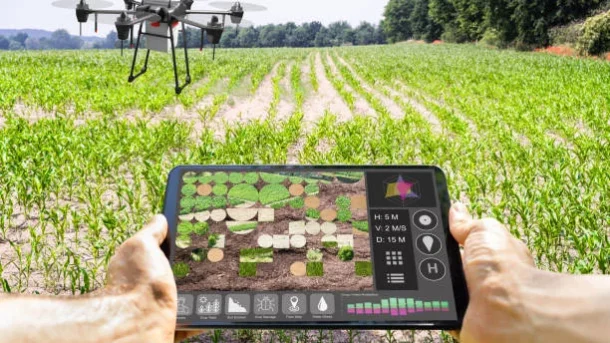
Precision agriculture is being used in developing nations to handle numerous agricultural difficulties and boost productivity. It entails the use of technology and data-driven approaches to optimise farming practises. Here are a few examples of how precision agriculture is being used in underdeveloped nations.
Mobile technology and data collection: Many developing nations have easy access to mobile technology, including smartphones and tablets. Mobile devices are used by farmers and extension personnel to gather and communicate information about soil characteristics, crop health, insect infestation, and weather patterns. This information can be utilised to customise agricultural practises and is essential for decision-making.
Satellite images and other remote sensing technologies are used to monitor and collect data on crop growth, soil moisture, vegetation indices, and other environmental factors.
Soil and crop sensing: Soil and crop sensors are used to measure important characteristics such soil pH, nutrient content, and moisture levels. By applying the appropriate amount of irrigation and fertiliser exactly where it is needed, farmers can reduce waste and maximise resource efficiency. Crop sensors keep track of the health and development of the plants, enabling farmers to modify their management techniques as necessary.
Variable Rate Technology (VRT): Based on field variability, variable rate technology (VRT) provides precise application of inputs including seeds, fertiliser, and pesticides. Farmers can construct prescription maps that direct VRT-enabled machinery to distribute inputs at the best rates across the field using sensor data. This lowers input costs, has a smaller negative impact on the environment, and enhances crop performance.