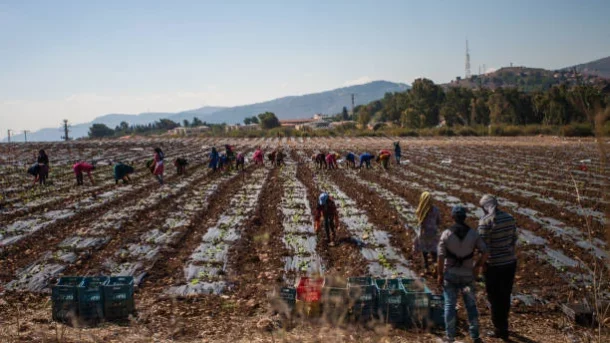
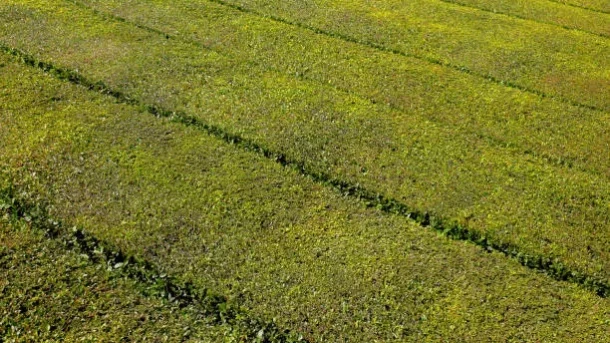
How does the limited availability of land and competition for resources impact agricultural sustainability?

Agricultural sustainability is significantly impacted by the limited land supply and competition for resources in a number of ways.

Land degradation: Due to the scarcity of arable land, agricultural activity may be expanded into remote or ecologically delicate places. This growth may accelerate land degradation, which includes habitat loss, deforestation, soil erosion, and loss of soil fertility. Agriculture’s long-term sustainability and productivity are threatened by land degradation.

Overuse of resources and intensification of production: Increasing food demand and a lack of available farmland are two factors that frequently result in agricultural output being intensified. Increased use of fertilizers, pesticides, and irrigation are some of the methods used in intensification to maximize yield from scarce land resources. Water pollution, for example, can result from the misuse or excessive usage of natural resources.

Loss of Biodiversity and Ecosystem Services: Due to a lack of available land, natural habitats like wetlands and forests may be turned into agricultural land. This conversion results in the loss of ecosystem services including pollination, pest management, soil nutrient cycling, and climate regulation, as well as biodiversity. A decrease in agricultural output, an increase in the need of synthetic inputs, and a decrease in the ability of agricultural systems to withstand environmental pressures can all result from the loss of these services.

Conflicts between multiple land uses, including agriculture, urbanization, infrastructure development, and conservation, might arise due to the limited amount of available land.

What are the challenges faced by farmers in accessing and utilizing modern agricultural machinery and equipment?

Accessing and utilizing contemporary agricultural gear and equipment presents a number of difficulties for farmers:

High Costs: The cost of purchasing, using, and maintaining modern agricultural gear and equipment can be high. For small-scale and resource-constrained farmers, the upfront investment cost frequently represents a considerable obstacle. The price of fuel, replacement parts, repairs, and maintenance can also increase the financial strain.

Limited Financial Resources: Many farmers, particularly smallholders, do not have easy access to credit or financing options that would allow them to purchase the latest in agricultural gear and equipment. They are unable to purchase the essential equipment due to their limited financial means, which forces them to rely on labor-intensive, conventional farming techniques.

Infrastructure and Connectivity: In order to function properly, modern agricultural machinery frequently needs infrastructure assistance, such as a dependable power source, enough roads and transit infrastructure, and facilities for storage or repair. Lack of infrastructure in rural areas, especially in outlying or off-grid places, can restrict the usage of machinery. Additionally, poor internet connectivity might make it difficult to use cutting-edge precision agriculture equipment and make data-driven decisions.

Adaptation to Local Farming Conditions: Modern agricultural machinery may not be ideal for local farming conditions, including soil types, crop kinds, and topography, as it is frequently developed based on standardized requirements. Farmers may find it difficult to customize or modify machinery to suit their unique demands, and doing so may not be feasible or inexpensive.

How does the absence of market infrastructure and value-added processing impact farmers’ income and profitability?

Limited Market Access: Farmers may have trouble accessing markets for their agricultural products in the absence of adequate market infrastructure. They can be forced to rely on regional marketplaces or middlemen who provide lower prices, which can lead to limited selling options and diminished bargaining strength. Farmers’ capacity to access bigger, more lucrative markets may be constrained by limited market access, which may reduce the amount of money they may make.

Price volatility is a problem for farmers because it causes big swings in the cost of their goods. This is caused by a lack of market infrastructure. Farmers may find it difficult to negotiate fair and consistent prices for their produce in the absence of efficient markets, the transmission of price information, and transparent transactions. Farmers may experience revenue instability as a result of the difficulty planning ahead and managing their finances due to price fluctuation.

Value-added processing facilities allow farmers to diversify their crops and command premium prices in the market despite limited product differentiation. Without these resources, farmers could only be able to sell raw or unprocessed goods, which frequently sell for less money than processed or value-added goods. The ability of farmers to realize better earnings and boost their income may be constrained by the lack of value addition options.

Dependence on Intermediaries: Without market infrastructure, farmers may rely excessively on middlemen or intermediaries to sell their produce. Due to a lack of direct market access, this dependence might result in exploitative practices where farmers obtain reduced prices for their goods.

What are the problems caused by inefficient irrigation practices and water wastage in agriculture?

Competition and Water Scarcity: Inefficient irrigation techniques result in excessive water use, which causes water scarcity in agricultural zones. Competition for water among various sectors, including agriculture, industry, and home use, grows as water resources become scarce. This may limit the amount of water available for agricultural purposes and affect the region’s overall water security.

Water Source Depletion: Inefficient irrigation practices frequently involve excessive irrigation or inappropriate water management, which causes the depletion of water sources like rivers, lakes, and underground aquifers. Water tables can decline as a result of excessive groundwater extraction, which will have long-term detrimental effects on both agricultural and non-agricultural water consumers.

Soil Degradation and Salinization: Poor irrigation techniques, such as using too much or too little water, can cause the degradation and salinization of the soil. When soil becomes waterlogged from excessive irrigation, soil aeration is reduced and salt buildup in the root zone is encouraged. This has a negative impact on crop development, output, and soil fertility, which eventually lowers agricultural yields.

Energy Use and Greenhouse Gas Emissions: Using inefficient irrigation techniques frequently results in higher energy costs for pumping, distributing, and extracting water. The usage of more energy results in more greenhouse gas emissions, which fuel climate change and environmental damage. Long-term effects on sustainable agriculture may result from this, and the effects of climate change on water resources may be exacerbated.

How does the lack of investment in agricultural research and development hinder innovation in the sector?

Agriculture’s ability to innovate can be hampered in a number of ways by a lack of investment in agricultural research and development (R&D):

Limited Technological Advancements: The creation and implementation of new agricultural technologies, practices, and innovations depend heavily on investment in agricultural R&D. Without sufficient financing, scientists and research organizations could find it difficult to carry out the essential studies, tests, and experiments to enhance agricultural knowledge and create new solutions. The industry’s capacity to meet new challenges, increase production, and improve sustainability is hampered by this lack of technological developments.

Slow Adoption of Improved Practices: Research and development (R&D) in agriculture is essential for developing new crop types, breeding methods, pest control approaches, and other advances. Limited access to such knowledge can arise from inadequate R&D spending.

Missed Economic Opportunities: By promoting innovation, value addition, and sector diversification, agricultural R&D has the ability to open up new economic opportunities. The creation of novel high-value crops, food processing technology, and agribusiness models can result from investments in R&D. Without sufficient finance, the sector might pass up significant business prospects, such as the possibility for job growth, exports, and general economic expansion.

Limited Problem-Solving Capacity: Agricultural R&D provides the scientific underpinnings for solving challenging agricultural issues and locating long-term fixes. The ability of research institutes and scientists to conduct the extensive investigations, experimentation, and analysis required to comprehend and address pressing problems facing the industry is constrained by inadequate funding in R&D. The industry’s inability to address new problems and maximize efficiency is hampered by this lack of capability.

What are the issues related to social inequality and marginalized communities in the agricultural value chain?

Several crucial problems are spawned by social inequality and the exclusion of communities from the agricultural value chain:-

Limited Access to Resources: Communities on the margins frequently encounter obstacles when trying to obtain basic resources including land, water, financing, and sophisticated agricultural supplies. Lower yields and income levels result from their inability to engage in productive and sustainable agricultural practices due to a lack of access to these resources.

Land Tenure and Ownership: In many areas, marginalized populations face difficulties gaining rights to land tenure and ownership. Their fragility and lack of control over agricultural land is a result of dispossession, land grabbing, and discriminatory land policy, which feeds a cycle of poverty and marginalization.

Gender Inequality: Women in rural and underprivileged areas frequently encounter barriers based on their gender while trying to access resources, positions of authority, and financial opportunities within the agricultural value chain. Their access to education and training as well as their participation in farming operations may be restricted by gender-based discrimination.

Lack of Representation and Participation: Marginalized communities frequently have little representation in and little involvement in policy, rural development, and agriculture-related decision-making processes. Because of this exclusion, policies may not appropriately address their special requirements and difficulties.

How does the limited availability of agricultural data and information hinder evidence-based policymaking?

The lack of agricultural data and information can impede the development of evidence-based policies in a number of ways.

An insufficient knowledge of agricultural systems can be brought about by a lack of data and information on a number of factors, including crop yields, land usage, water resources, weather patterns, and market dynamics. It’s possible that policymakers lack the knowledge needed to create focused policies and actions that address particular possibilities and difficulties in agriculture.

Inaccurate Assessment of concerns and Impacts: Policymakers may find it difficult to make accurate assessments of the scope and effect of agricultural concerns in the absence of thorough and current data. Food insecurity, land degradation, water shortages, and the impact of climate change on agriculture are a few examples of such problems. In the lack of trustworthy data, legislators could create regulations that

Weak Predictive and Forecasting Capabilities: Predictive modelling and forecasting depend on data and information to help decision-makers foresee future trends, dangers, and opportunities in agriculture. A lack of data makes it difficult to create accurate models and projections, which makes it difficult to create proactive strategies and adjust to changing agricultural conditions.

Lack of Stakeholder involvement: Information and data are essential for promoting stakeholder involvement and collaborative decision-making. Stakeholders, such as farmers, academics, business representatives, and civil society organizations, may be excluded from meaningful participation in the creation and implementation of policies when data is scarce or unavailable. As a result, agricultural policies lose some of their credibility and efficacy and lose some of their potential influence.

What are the challenges faced by farmers in adopting and implementing sustainable pest and disease management practices?

pest and disease management

Farmers must overcome a number of obstacles in order to adopt and use sustainable pest and disease management techniques:

Lack of Information and Unawareness: Many farmers might not have access to or be aware of information regarding sustainable methods for managing pests and diseases. They could not be familiar with sustainable agricultural methods or integrated pest management (IPM) techniques, or they might not be aware of alternatives to chemical pesticides.

Limited Access to Resources: It is frequently necessary to get extra resources, such as training, technical assistance, and access to alternative pest control techniques, in order to implement sustainable pest and disease management practices. Farmers, especially small-scale farmers with limited resources, may find it difficult to obtain or buy these services.

Peer influence and cultural aspects: Farmers may be affected by the social mores and customs that are common in their neighborhoods. Farmers may be reluctant to depart from conventional practises or may encounter pushback from peers if sustainable pest and disease control practices are not generally accepted or respected within the agricultural community.

A multifaceted strategy that includes information distribution, capacity building, access to resources and assistance, financial incentives, and legislative support is needed to address these difficulties. Governments, agricultural extension agencies, NGOs, and research facilities all play a significant part in encouraging the use of sustainable pest and disease control techniques and offering training programmes and technical support. Financial institutions may provide farmers making the switch to sustainable farming methods with easily available finance and financial assistance.

How does the absence of effective land-use planning and zoning policies impact sustainable agriculture?

land-use

Encroachment on Agricultural Land: Without adequate land-use planning and zoning, infrastructure projects, industrial operations, and urban expansion may all encroach on agricultural land. This causes fertile farmland to be converted to non-agricultural uses, resulting in the loss of important agricultural resources and a reduction in the amount of land available for sustainable farming methods.

Agriculture land fragmentation: Without defined land-use planning guidelines, agricultural land may be split into smaller portions as a result of unplanned urban growth or property subdivision. Farming operations are hindered by fragmentation, which also diminishes economies of scale and restricts the adoption of sustainable land management techniques.

Soil Degradation and Loss: Poor land-use planning can lead to land practices that are not sustainable, such as excessive use of chemical fertilizers, poor irrigation techniques, and insufficient soil conservation measures. This can endanger the long-term productivity and sustainability of agricultural land by causing soil erosion, nutrient depletion, and soil fertility loss.

Impacts on the Environment: Poor land-use planning can result in ecosystem harm and environmental deterioration. The danger of contamination from urban runoff, industrial pollutants, and chemical inputs can rise if there are insufficient buffer zones between agricultural and non-agricultural regions. The health of the environment, biodiversity, and water quality may all be negatively impacted by this.

What are the problems caused by inadequate infrastructure for agricultural logistics and distribution?

agricultural

Several issues in the agriculture industry might arise from inadequate infrastructure for agricultural logistics and distribution:

Limited Market Access: The flow of agricultural goods from fields to markets can be hampered by a lack of infrastructure, such as roads, bridges, and transportation networks. This restricts farmers’ access to bigger, more lucrative markets, which drives down prices and lowers their potential revenue.

Post-Harvest Losses: Poor infrastructure for facilities for handling, processing, and storing goods can result in post-harvest losses. Perishable crops may deteriorate fast in the absence of adequate storage facilities, lowering their market value. Ineffective handling and processing facilities can also cause quality to deteriorate and food to rot, costing farmers money.

High transportation expenses: Farmers may face high transportation costs when transporting their goods to markets or processing facilities in locations with poor transportation infrastructure. Long distances, insufficient transportation alternatives, and bad road conditions can raise transportation costs, lowering farmers’ profitability and competitiveness.

Limited Value-Added Processing: Farmers’ capacity to add value to their agricultural goods may be constrained by a lack of infrastructure for value-added processing, such as food processing factories. Farmers may pass up chances to expand their product lines, boost their profit margins, and provide the market with processed or value-added agricultural products if they lack access to processing facilities.