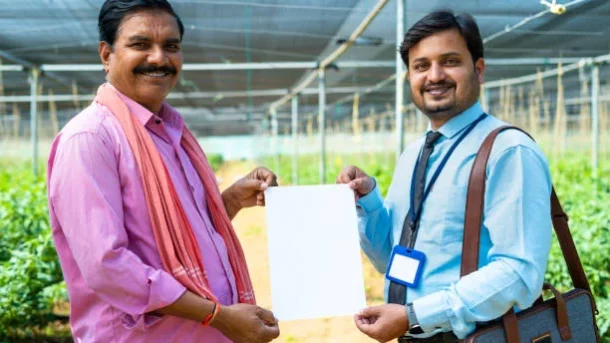
How does the lack of access to credit and financial services for agricultural investments hinder farmers’ productivity?

credit and financial services

The productivity of farmers can be hampered in a number of ways by a lack of access to financing credit and financial services for agricultural investments:

Limited Investment Capacity: Farmers may not have the money they need to invest in agricultural supplies, technology, and infrastructure that can increase production if they do not have access to credit and financial services. This entails investing in top-notch seeds, fertilizer, irrigation equipment, farming practices, and machines. Lower productivity levels might come from farmers being unable to embrace new methods and technology due to a lack of investment capacity.

Restricted Expansion and Diversification: Farmers may find it difficult to extend their businesses or diversify into higher-value animals or crops due to a lack of finance and financial services. Investments in operating capital, infrastructure, equipment, and land are necessary upfront for expansion and diversification.

Inability to Adopt contemporary technology: By using contemporary technology like irrigation systems, mechanization, and precision agriculture, agricultural production may be considerably increased. These solutions, however, frequently need a sizable initial expenditure. Farmers may be unable to purchase and utilize these technologies due to a shortage of credit and financial services, which limits their capacity to increase production and efficiency.

Limited Working Capital: For day-to-day agricultural activities, such as buying supplies, hiring labour, and managing cash flow, enough working capital is crucial. Lack of access to finance can make it difficult for farmers to keep enough operating capital on hand, which can cause interruptions in farming operations, less than ideal decision-making, and decreased production.
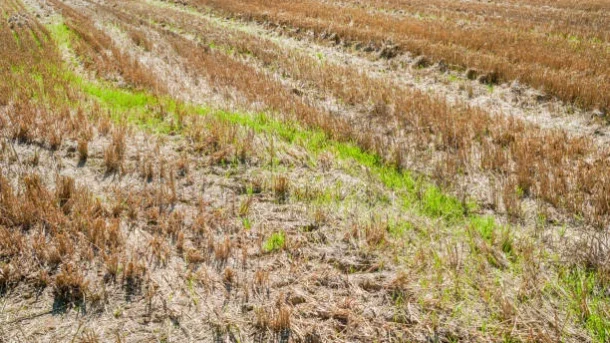
What are the issues related to genetic erosion and the loss of traditional crop varieties in agriculture?

traditional crop

Reduced Genetic Diversity: Traditional crop varieties frequently have a diverse genetic makeup that has developed over many generations, making them resilient to pests, diseases, and climatic pressures as well as adaptable to different environmental situations. The loss of these kinds causes agricultural systems’ genetic diversity to decline. Crops are less able to adapt to shifting climatic circumstances as a result, making them more susceptible to pests, diseases, and climate change.

Increased Dependence on a Fewer types: Modern agriculture’s focus on uniform, high-yielding crop types has resulted in the widespread acceptance of a small number of commercial varieties. If a certain variety is vulnerable to a new pest or disease, this monoculture strategy raises the chance of crop failure.

Local food systems disruption: Traditional crop types are frequently well-adapted to regional environmental factors as well as regional preferences for flavour, nutritional value, and culinary applications. A trend towards uniform, standardised kinds that might not satisfy the particular requirements and tastes of local people might result from the loss of various variations, which can undermine regional food systems. This may lead to a loss of ethnic eating traditions and nutritional variety.

Loss of Nutritional and Therapeutic Values: Traditional crop types frequently have special nutritional and therapeutic values. The absence of certain types may result in a decrease in the amount of certain nutrients, therapeutic substances, and other health advantages connected to traditional crops. Particularly in areas that depend on traditional crops, this may have an effect on people’s health and nutrition.

How does the limited access to affordable and environmentally friendly farm inputs hinder sustainable agriculture?

farm inputs

Sustainable agriculture may be hampered by the restricted availability of inexpensive and ecologically acceptable farm inputs in a number of ways:

Restricted Adoption of Sustainable Practises: Environmentally friendly inputs including organic fertilisers, biopesticides, and biological control agents are frequently needed in sustainable agriculture. Farmers may, however, turn to traditional inputs that might have detrimental environmental effects, including synthetic fertilisers and chemical pesticides, if these inputs are not easily accessible or reasonably priced. Farmers’ inability to adopt and put into practise sustainable practices is hampered by limited availability to sustainable inputs, which jeopardises agriculture’s overall sustainability.

Degradation of the soil and nutrient imbalance: Sustainable agriculture emphasises the need of preserving the fertility and health of the soil. Farmers may, however, significantly rely on synthetic fertilizers if they don’t have access to inexpensive organic fertilizers and soil amendments.

Increased Production prices: Compared to conventional inputs, environmentally friendly inputs like organic fertilizers or biological pest control agents may have higher upfront prices. Farmers’ production costs may rise as a result of limited access to inexpensive solutions, making sustainable practices unprofitable. The adoption of sustainable farming practices by farmers may be discouraged as a result, and the shift to more environmentally friendly production systems may be hampered.

Dependence on External Inputs: A cycle of dependence on external inputs can be sustained by limited availability to inexpensive and sustainable farm inputs. Due to increased reliance on pricey synthetic fertilisers, toxic pesticides, and other external inputs, farmers may experience greater production costs, decreased profitability, and increased market vulnerability. Additionally, it hinders the capacity of farmers to build resilience and self-sufficiency within their farming systems.

What are the challenges faced by farmers in adapting to changing weather patterns and climate variability?

weather patterns

When it comes to adjusting to shifting weather patterns and climatic unpredictability, farmers confront a number of difficulties. The productivity, livelihoods, and food security of the agricultural sector may all be significantly impacted by these issues. Here are some significant difficulties that farmers confront in this regard:

Unpredictable weather patterns: Climate change makes weather patterns more variable and unpredictable. It is challenging for farmers to efficiently plan their agricultural operations since they frequently find it impossible to foresee the start and end of seasons. Crops and cattle can be harmed by erratic rainfall, severe temperatures, and unforeseen weather conditions including storms, droughts, and floods.

Changes in the duration of growth seasons: Climate change may result in changes in the timing of seasons, such as the start of rainy seasons, dry spells, and the length of growing seasons. This upends conventional agriculture methods.

How does the absence of effective market linkages and value chain integration impact farmers’ income opportunities?

farmers

Limited market access: Farmers may encounter difficulties finding markets for their agricultural products in the absence of strong market connections. Farmers’ capacity to access customers and offer their goods at competitive pricing may be limited by geographical constraints, inadequate transportation infrastructure, and a lack of market knowledge. Farmers may be forced to rely on local middlemen or intermediaries who may provide lower pricing as a result of their limited market access, which will affect their income.

Price volatility and exploitation: Farmers are frequently more at risk from price fluctuation when there are weak market ties. When market prices are low and they are compelled to sell their produce right away after harvest, their profitability may suffer. Moreover, farmers may be at a disadvantage when negotiating rates with customers if they lack direct access to markets and information.

Lack of market data: Farmer need up-to-date, reliable market data to make decisions regarding what to produce, when to sell, and where to sell their products. Farmers may find it difficult to successfully plan their production and marketing strategy in the lack of trustworthy market information due to uncertainties. This may lead to misaligned supply and demand, price changes, and fewer chances for employment.

Insufficient value addition: Adding value to agricultural products is essential if farmers are to increase their profitability. Farmer may lose out on chances for value addition, such as processing, packaging, and branding, if the value chain is not properly integrated and coordinated.

What are the problems caused by the use of unsustainable fishing practices and overfishing in aquaculture?

overfishing

Fish supplies are declining because to overfishing, which happens when fish are captured at a rate that exceeds their natural rates of growth and reproduction. Due to the population’s inability to renew itself as quickly as it is being harvested, this may cause fish stocks to fall. Fish populations can become depleted or even collapse due to overfishing, upsetting the delicate balance of marine ecosystems and jeopardizing the long-term viability of fisheries.

Ecological imbalance: Unsustainable fishing methods can have effects on the environment that go beyond only the fish species they are targeting. For instance, certain fishing techniques, like bottom trawling or the use of damaging gear, can harm delicate marine environments including coral reefs and seafloor ecosystems. Marine mammals, turtles, and other non-targeted species may be harmed by these methods.

Food network disruption: Overfishing has been shown to cause food web disruption in marine environments. Large-scale fish removal from an ecosystem can cause imbalances in the relationships between predators and prey, as well as change the quantity and distribution of other species. The stability and efficiency of the entire ecosystem may be impacted by this, which could have cascade repercussions across the food chain.

Impacts on the economy and society: Overfishing and irresponsible fishing methods can have serious negative effects on both. Fishing communities may experience lower catch yields and earnings as a result of declining fish stocks. Small-scale fishermen are particularly vulnerable to the loss of fish populations since they frequently depend on fisheries for their livelihoods. In communities where fishing is a major industry, this may result in job losses, poverty, and increased economic inequality.

How does the lack of infrastructure for post-harvest handling and storage contribute to food losses?

post-harvest

Poor handling techniques: Farmers and traders frequently adopt subpar handling techniques in the absence of suitable infrastructure, such as warehouses, sorting facilities, and transportation networks. Inadequate protection against physical damage and contamination, inappropriate loading and unloading, and rough handling are a few examples of this. These procedures can cause post-harvest losses since the produce will bruise, rot, and degrade.

Lack of storage space: Food losses may result from a lack of storage space in silos, cold storage facilities, and warehouses. Agriculture items that degrade quickly are more prone to pests, illnesses, and improper storage. Lack of temperature and humidity management can hasten the deterioration of stored product in areas with high temperatures and humidity.

Value addition and processing are limited; hence, post-harvest infrastructure is essential for these operations. The processing and preservation of agricultural goods are hampered by a lack of facilities, including processing plants, drying facilities, and packing facilities. This may restrict the potential to turn raw produce into value-added goods like processed foods, which have a greater market value and a longer shelf life. Without these resources, farmers could be forced to sell their harvest right away, which could result in losses if there is little market demand or if pricing are poor.

Systems of transportation that are insufficient: Timely and safe delivery of agricultural products from farms to markets or processing facilities depends on effective transportation.

What are the issues related to food security and nutrition in the context of agriculture?

food security

Inadequate production and distribution: Agriculture is a key component of food production, although productivity can be hampered by issues including poor access to resources, land degradation, and climate change. Food shortages and food insecurity may result from inadequate agricultural production. Additionally, ineffective food distribution methods and restrictions to market access can lead to uneven food distribution, aggravating problems with nutrition and food security.

Lack of availability to wholesome food: Even in situations where food is readily available, many people experience difficulties obtaining a variety of wholesome foods. The ability of individuals to acquire and receive wholesome food may be hampered by poverty, income disparity, and restricted access to markets.

Micronutrient deficiencies and malnutrition: Malnutrition includes both overeating and undereating. Inadequate nutrient and calorie intake can lead to undernutrition, which includes stunting, wasting, and underweight. Contrarily, overnutrition refers to the excessive ingestion of calories, which frequently leads to obesity and non-communicable diseases associated with diet. Deficiencies in micronutrients, such as a lack of vitamins and minerals, are another major obstacle to proper nutrition. These types of malnutrition and deficits in micronutrients can be attributed to inadequate availability to a variety of nourishing foods.

Unsustainable agricultural practices: Some agricultural methods, particularly extensive monoculture farming, excessive pesticide usage, and poor land management, can have a negative impact on nutrition and food security. These actions may result in soil degradation, biodiversity loss, and water resource contamination.

How does the limited availability of agricultural extension services and training hinder farmers’ knowledge dissemination?

services and training

Limited access to knowledge: Agricultural extension services and training programs are essential in supplying farmers with the most recent knowledge, best practices, and cutting-edge agricultural methods. Farmers might not have access to crucial information that can enhance their farming methods, correct problems, and take advantage of new opportunities if these services are restricted or unavailable. They may be unable to implement more effective and sustainable farming practices due to their lack of information.

Agricultural extension services and training programs are essential in introducing farmers to new technologies, techniques, and practices that can boost production, improve resource management, and limit risks. As a result, there has been a decreased uptake of new technologies and practices. Farmers may use obsolete techniques or conventional procedures that are harmful if they lack access to such services.

Ineffective pest and disease control: To safeguard their crops and increase yields, farmers must have timely and accurate information on pest and disease management. Farmers can learn a lot about identifying pests and diseases, taking preventative steps, and using integrated pest control techniques from agricultural extension agencies. Without these services, farmers could find it difficult to recognize newly developing pests and illnesses, which would result in poor or incorrect management techniques. Crop losses, decreased production, and an increasing dependency on chemical inputs are possible outcomes of this.

Problem-solving skills are limited; however, agricultural extension services and training programs assist farmers in improving their critical thinking and problem-solving capabilities. These services enable farmers to assess problems, find solutions, and modify their methods by offering direction and technical competence.

What are the challenges faced by farmers in accessing and utilizing modern technologies and digital tools?

technologies

Limited connectivity and infrastructure: Access to contemporary technologies and digital tools frequently requires strong internet access and sufficient infrastructure. The availability of high-speed internet and other essential infrastructure, however, may be restricted or nonexistent in many rural communities where agriculture is the main industry. Farmers struggle to access online materials, participate in digital platforms, and successfully use technology-based solutions due to a lack of connectivity.

Cost and accessibility: The cost of modern technologies and digital tools, especially for small-scale farms with limited financial resources, can be a major obstacle for farmers. For many farmers, the expense of acquiring and maintaining cutting-edge gear, tools, sensors, or software systems can be prohibitive. Furthermore, continuous costs for software licenses, upgrades, and technical support may put a burden on company finances.

Limited technical expertise: Modern technology and digital tools demand technical expertise for adoption and use. Farmers may have trouble deciphering the complexities of sophisticated technology, resolving technological problems, and efficiently utilizing digital platforms. Lack of exposure to and instruction in the use of these instruments may pose a barrier to entry and prevent their widespread adoption.

Customization and compatibility: Modern technologies and digital tools are frequently created for generic applications that may not perfectly match the unique requirements and circumstances of various agricultural systems or the needs and circumstances of specific farmers. It can be difficult and time-consuming to adapt these technologies to fit particular farm operations and integrate them into current workflows.