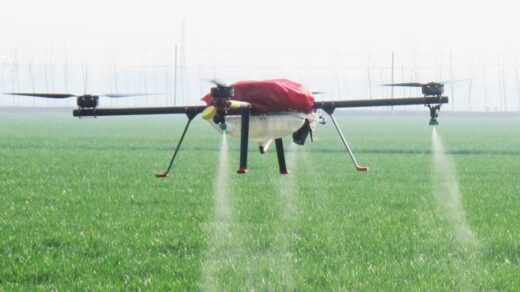
Agriculture’s ability to innovate can be hampered in a number of ways by a lack of investment in agricultural research and development (R&D):
Limited Technological Advancements: The creation and implementation of new agricultural technologies, practices, and innovations depend heavily on investment in agricultural R&D. Without sufficient financing, scientists and research organizations could find it difficult to carry out the essential studies, tests, and experiments to enhance agricultural knowledge and create new solutions. The industry’s capacity to meet new challenges, increase production, and improve sustainability is hampered by this lack of technological developments.
Slow Adoption of Improved Practices: Research and development (R&D) in agriculture is essential for developing new crop types, breeding methods, pest control approaches, and other advances. Limited access to such knowledge can arise from inadequate R&D spending.
Missed Economic Opportunities: By promoting innovation, value addition, and sector diversification, agricultural R&D has the ability to open up new economic opportunities. The creation of novel high-value crops, food processing technology, and agribusiness models can result from investments in R&D. Without sufficient finance, the sector might pass up significant business prospects, such as the possibility for job growth, exports, and general economic expansion.
Limited Problem-Solving Capacity: Agricultural R&D provides the scientific underpinnings for solving challenging agricultural issues and locating long-term fixes. The ability of research institutes and scientists to conduct the extensive investigations, experimentation, and analysis required to comprehend and address pressing problems facing the industry is constrained by inadequate funding in R&D. The industry’s inability to address new problems and maximize efficiency is hampered by this lack of capability.