
The process by which earthworm convert organic manure in to fertile manure is called Vermi-composting. Important species of earthworm used for vermicomposting in Indian conditions are Epigeic Eugeniae, Eisenia Foetida, and Perionyx Excavatus. Vermi-compost are used in farming and small scale sustainable organic farming because they contains water-soluble nutrients and is an excellent, nutrient-rich organic fertilizer and soil conditioner. Earthworms grind and uniformly mix minerals in simple forms, which makes it easy for the plants to obtain them. The end-product of the breakdown of organic matter by earthworms is called vermicast. These castings contains reduced levels of contaminants and a higher saturation of nutrients than the organic materials before vermicomposting. Hence, Worm castings can be used as an organic fertilizer.
What is chlorosis and what causes it?

Chlorosis is the loss of chlorophyll leading to yellowing in leaves. It is caused by the deficiency of elements like K, Mg, N, S, Fe, Mn, Zn and Mo. Plants affected with chlorosis will lose their ability to synthesize carbohydrates and will die unless the cause of its chlorophyll insufficiency is treated and might lead to plant disease called rust. Chlorosis occur due to many reasons namely mineral deficiency , poor drainage , root damage , exposure to Sulphur dioxide and soil pH that makes minerals unavailable to roots for absorption etc.
What is GAP ?
Good Agricultural Practice (GAP) is a certification system for agriculture, specifying procedures that must be implemented to create food for consumers or further processing that is safe and wholesome, using sustainable methods. This include practices that address environmental, economic and social sustainability for on-farm processes, and which result in safe and quality food and non-food agricultural products. Chronic overuse and misuse of agricultural pesticides resulted in introduction of GAP. Government planned to reduce use of pesticides by introducing an alternative method of pest management , while at the same time ensuring a steady production of safe and wholesome food .GAP maintains a database that collects , analyze , and disseminate information of good agricultural practices in relevant geographical contexts.
How seed treatment is practiced in chilli to prevent attack of aphid and jassid?
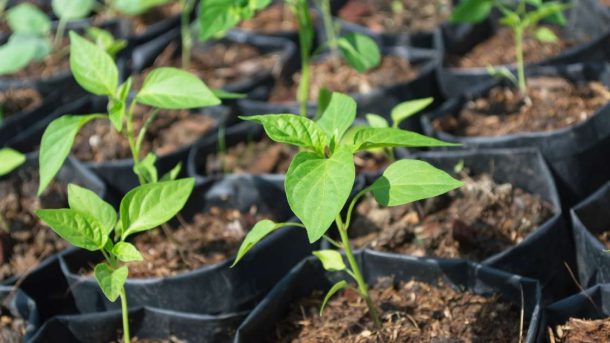
Treatment of seed using imidacloprid at the rate of 70 WS @ 10-15 gm a.i./kg seed . Seed treatment is done under
guidance of an agriculture expert in proper doses.
What is No-till farming?
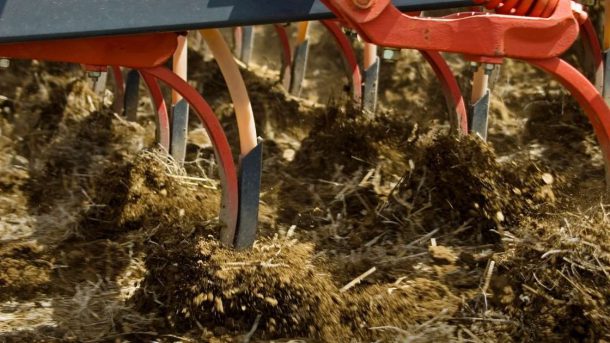
No-till farming also known as zero-tillage or direct drilling is an agriculture technique for growing crops without disturbing the soil through tillage. No-till farming reduces the amount of soil erosion caused by tillage practices. This technique also helps in increasing water infiltration rate , nutrient cycling and soil retention of organic matter. Furthermore, it helps in maintaining population of living organism in the soil. Organic no-till system uses combination of strategies such as use of cover crops to suppress weeds while conventional system used herbicides for weed control.
What is a certified seed?

Certified seed is the progeny of foundation seed and its production is supervised and approved by certification agency. The seed of this class is normally produced by the State and National Seeds Corporation and Private Seed Companies on the farms of progressive growers. This is the commercial seed which is available to the farmers. A blue color certificate is issued by seed certification agency for this category of seed. Certified seeds should should satisfy both minimum field and seed standards.
What is Fertigation?
Fertigation is application of fertilizers in an optimum amount after combining it with irrigation water. Fertigation can be achieved through fertilizer tank, venturi system, injector pump, Non-Electric Proportional Liquid Dispenser (NEPLD) and automated system. Fertigation helps in frequent supply of nutrients and reduces fluctuation of nutrient concentration in soil. Fertigation facilitates optimum application of fertilizers with efficient utilization. Uniform application of fertilizer throughout the irrigated soil volume can be achieved through fertigation. Nutrients can be applied to the soil when soil or crop conditions would otherwise prohibit entry into the field with conventional equipment.
What is seed treatment?
Seed treatment is the use and application of biological and chemical agents in seed in order control primary soil and seed borne infestation of insects and diseases which causes consequences to crop production and improving crop safety leading to good establishment of healthy and vigorous plants resulting better yields. The benefits of seed treatment include increased and uniform germination , protection of seed or seedling from early season diseases and insect pests, improving crop emergence and its growth etc. Seed treatment using plant growth hormones improves crop performance during growing season. Inoculation of seed using rhizobium increases productivity and nitrogen fixing ability of legume crops. Most significantly, plant population and productivity can be improved with seed treatment.
What is bunchy top disease of banana?
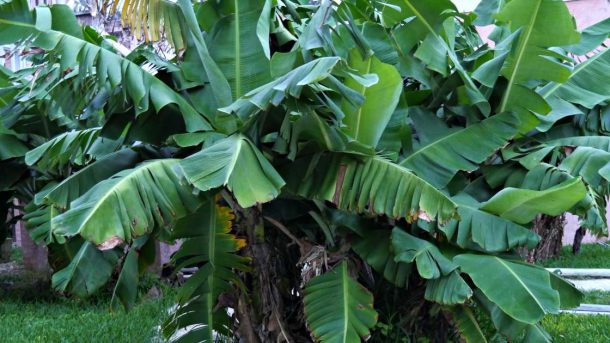
Stunted plant growth in banana plants is an indication of bunchy top disease. Dark broken bands of green tissues on veins, petioles and leaves can be observed. Marginal chlorosis and curling can be observed in leaves with reduced size. Leaves become upright and brittle. Many leaves are crowded at the top. Branches size will very small. If infected earlier no bunch will be produced. The disease is transmitted primarily by infected suckers. Secondary spread is through the aphid vector.
What is the fertilizer requirement for mango?
Mango should be manured with phosphorus twice in a year. Usually fertilizers (N and K) are applied in split doses in the month of June-July, September, October, January-February and March-April. For adult trees (10 years or above)1,000g N, 75g P2O5, 75g K2O and 100 kg FYM per year should be applied. Application of micronutrients such
as Zinc and Boron help in cell elongation process.