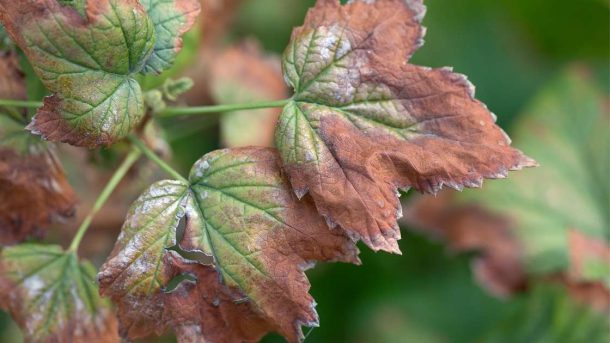
Fusarium wilt results in stunted plant growth , yellowing of plants and defoliation. Yellowing starts in the edges of leaves and then move inwards. Brown discoloration occurs in stems which is more intense in outer layer of tissues. Infected plants fruit earlier and produce smaller boll. In seedlings and young plants, cotyledons and leaves wilt, may turn necrotic, and even fall off the plant, resulting in bare stems. In mildly affected plants, lower leaves develop symptoms but plants survive, but with reduced vigor and noticeable stunting.
What is Economic Threshold Level ( ETL )?

The pest density at which management action should be taken to prevent an increasing pest population from reaching the economic injury level is called Economic Threshold Level ( ETL ). Economic thresholds can be expressed in a variety of ways including the number of insects per plant or per square meter, the amount of leaf surface damage, etc. Pest population assessment and decision making are among the most basic elements in any integrated pest management (IPM) program. Economic thresholds help in taking decisions by providing guidance as to whether insect control will have an economic benefit. Economic threshold helps in reducing the use of pesticides and are one of the keys to profitable pest management. The development of economic thresholds requires knowledge of pests, their damage, the crop’s response to damage, and estimates of likely crop value and costs of control.
How post-harvest handling is done in Banana?
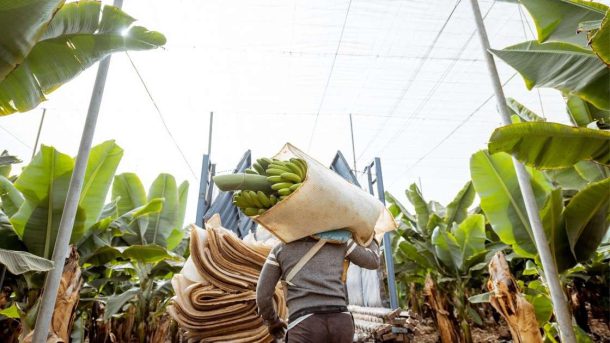
Bananas can be stored for up to a week in a cool place but unripe bananas should not be stored in the refrigerator as this may irreversibly interrupt the ripening process. Banana can be stored for maximum of one week , if it is ripe. Banana should be stored at 130 to 140 C. To hasten ripening and softening, bunches are kept out of light. For export, hands are cut into units of 4-16 fingers, graded for both length and girths and carefully placed in poly-lined boxes to hold 12 to 18 kg depending on export requirement. Before packaging fruits are cleaned in water or dilute sodium hypochlorite solution to remove the latex and treated with thiabendazole.
What is Soil Sterilization?
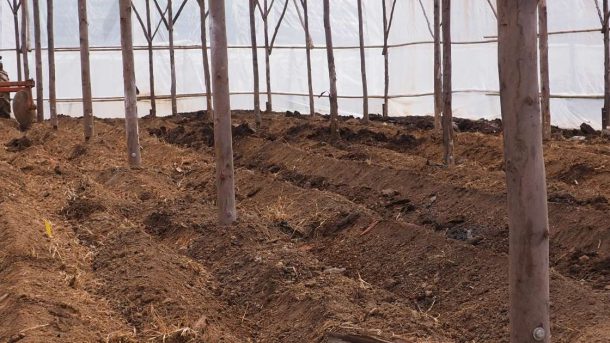
Soil sterilization is a farming technique that sterilizes the soil using chemical or physical means. Sterilization helps in suppression of weed and helps in killing fungi , nematodes and bacteria present in the soil. Chemical means include use of herbicides and fumigants and physical method include use of steam and solar energy. Soil sterilization is used in greenhouse operations, open field and the production of high-value or specialty crops. The use of sterilized soil produces healthier plants, saves time and money, and can benefit the environment.
How is Trichoderma used in agriculture ?

Trichoderma spp. is a fungus which are used in agriculture as bio-fungicide. Trichoderma viride, T. harzianum and T. virens are most extensively used fungal antagonists. Due it’s fungicidal property , they are used as biocontrol agents against plant pathogenic fungi. It protects plants from fungi such as Pythium , Rhizoctonia, and Armillaria. Trichoderma spp. are found naturally in the soil and is used for seed dressing to control soil and seed-borne diseases. When it is applied at the same time as the seed, it colonizes the seed surface and kills not only the pathogens present on the cuticle , but also provides protection against soil-borne pathogens. Fermentation technology is commonly used for their mass production.
Which are the critical stages of rice / paddy?
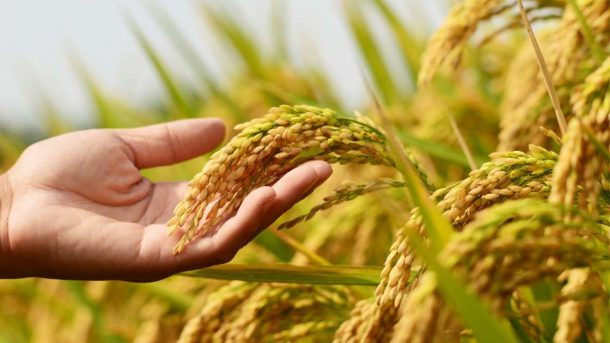
There are four critical stages of rice / paddy and they are Tillering, Panicle Initiation, Heading and Flowering.
What is Mulching?
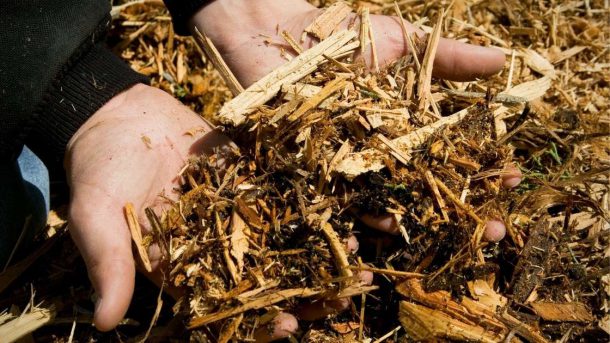
Mulching is the process of covering soil in order to provide favorable condition for growth and development of plants that results in efficient crop production. Natural mulches such as leaf, straw, dead leaves and compost can be used . Synthetic material like plastic can also be used for mulching. Mulching helps to minimize moisture losses and weed population .Mulches minimizes water runoff, improve infiltration capacity of soil, restrain weed population via shading, and perform as obstacle in evapotranspiration. It also helps in temperature regulation of soil and plant roots, minimum nutrient losses, cut down soil erosion and compactness, and improves physical conditions of soil.
What are the symptoms of sigatoka leaf spot disease?
Symptoms of sigatoka include appearance of small light yellow or brownish green narrow streaks on leaves. They enlarge in size becomes linear, oblong, brown to black spots with dark brown brand and yellow halo. Rapid drying and defoliation of the leaves can be observed. Black specks of fungal fructification appear in the affected leaves.
What are pheromone traps and why are they used?
Pheromone traps are used for trapping insects using smell of one sex. These are commonly used for the control of cotton bollworms. Pheromones traps are used both for counting insects and killing them .Most commonly used pheromones includes sex pheromones and aggregating pheromones . Pheromones traps are mostly used for detecting presence of exotic pests, for sampling , monitoring or to identify first appearance of a pest in an area. Pheromone traps are highly species-specific , inexpensive and easy to implement. Pheromone based pest controls can be used in household and in storage facilities. They also helps in mating disruption of insects which controls insect population.
What is C:N ratio of soil?

Carbon and nitrogen are important chemical elements that are present in the organic matter. The ratio of mass of carbon to nitrogen is called C:N ratio. A C:N ratio of 10:1 means there are ten units of carbon (C) for each unit of nitrogen in the soil. This ratio plays an important role in the functioning of soil. C:N ratio helps in crop residue decomposition and crop nutrient cycling. Soils with a carbon-to-nitrogen (C:N) ratio of 24:1 have the optimum ratio for soil microorganism to stimulate release of nutrients like nitrogen , phosphorous and zinc to the crops. It is very important to understand C:N ratio while planting cash crops and cover crops. C:N important in composting because microbes need a good balance of carbon and nitrogen to stay active. High C:N ratio results in long duration for composting and enhanced nitrogen loss happens due to low C:N ratio.