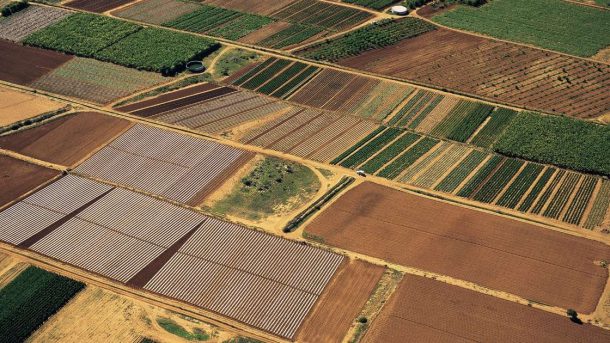
What is soil fertility?

soil fertility

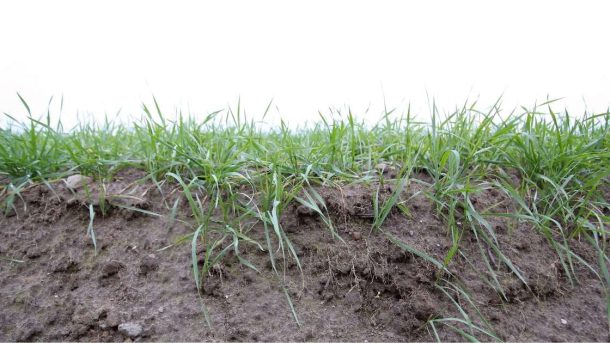
Soil fertility is generally defined as “ability of soil to supply plant nutrients”. Soil structure, soil texture, temperature, water, light and air also play an important role in maintaining soil fertility. Plant nutrients include the macronutrients nitrogen, phosphorus and potassium, sulfur, calcium and magnesium. Micronutrients are essentially boron, chlorine, copper, iron, manganese, molybdenum and zinc. Soil scientists that focus on soil fertility are interested in managing nutrients to improve crop production. They focus on using commercial fertilizers, manures, waste products, and composts to add nutrients and organic matter to the soil. Sometime they also add chemicals that change the pH to a more optimum level for nutrient availability to plants.

What is the role of gypsum in agriculture?

gypsum

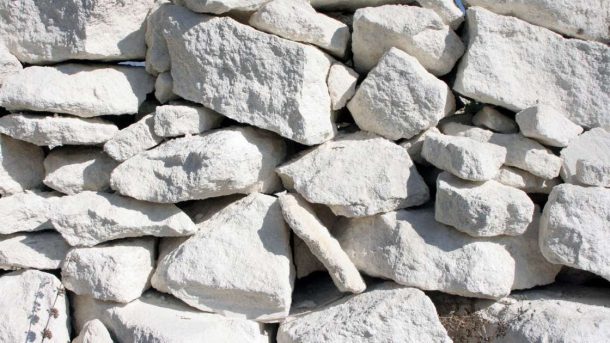
Gypsum is an excellent source of sulfur for plant nutrition and improving crop yield. One of gypsum’s main advantages is its ability to reduce aluminum toxicity, which often accompanies soil acidity, particularly in subsoils. Gypsum can improve some acid soils even beyond what lime can do for them, which makes it possible to have deeper rooting with resulting benefits to the crops. Surface-applied gypsum leaches down to to the subsoil and results in increased root growth. Gypsum has been used for many years to improve aggregation and inhibit or overcome dispersion in sodic soils. Gypsum also improves the ability of soil to drain and not become waterlogged due to a combination of high sodium, swelling clay and excess water.

What is the use of a castor sheller ?

castor sheller

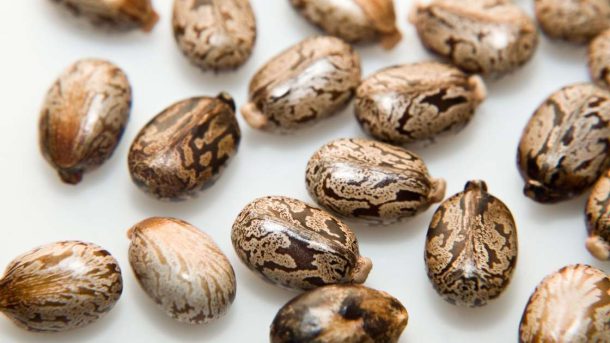
Castor sheller is used for shelling and cleaning castor pods. Traditionally , castor is shelled manually after drying under sunlight or by beating . It consists of feeding hopper, rubber coated disc type shelling unit and a blower. Castor is fed to the shelling unit through feed hopper. It is suitable for shelling and winnowing of dried castor pods. The unit can be either operated manually or with a 0.5 hp electric motor. It saves 88 per cent labour and operating time and 69 per cent on cost of operation compared to conventional method of manually beating or rubbing with wooden plank.

What is the use of a cultivator?

cultivator

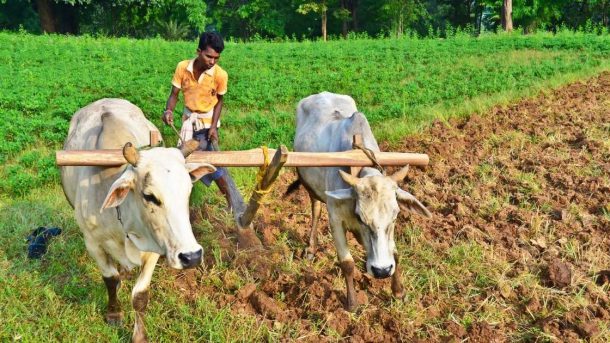
Cultivator is a farm equipment used for stirring and pulverizing the soil before planting or to eliminate weeds and to aerate and loosen the soil before plant begins to grow. It is powered by a tractor and stirs the soil to a great depth. Most of the cultivators are equipped with a hydraulic wing .Unlike a harrow , which disturbs the entire surface of the soil, cultivators are designed to disturb the soil in careful patterns, sparing the crop plants but disrupting the weeds.

What is PKVY ( Paramparagat Krishi Vikas Yojana ) ?

PKVY

The Paramparagat Krishi Vikas Yojana (PKVY), an initiative to promote organic farming in the country, was launched by the NDA government in 2015. According to the scheme, farmers will be encouraged to form groups or clusters and take to organic farming methods over large areas in the country. The aim is to form 10,000 clusters over the next three years and bring about five lakh acres of agricultural area under organic farming. The government also intends to cover the certification costs and promote organic farming through the use of traditional resources. To avail the scheme, each cluster or group must have 50 farmers willing to take up organic farming under the PKVY and possess a total area of at least 50 acres. Each farmer enrolling in the scheme will be provided INR 20,000 per acre by the government spread over three years time.

What is IPM (Integrated Pest Management)?

IPM

IPM is a sustainable approach for managing pests by combining biological, cultural, physical and chemical tools in a way that minimizes economic, health, and environmental risks. It seeks to use natural predators or parasites to control pests, using selective pesticides for backup only when pests are unable to be controlled by natural means. IPM aims to suppress pest populations below the economic injury level (EIL). Reliance on knowledge, experience, observation and integration of multiple techniques makes IPM appropriate for organic farming. IPM is used in agriculture, horticulture, forestry, human habitations, and general pest control, including structural pest management, turf pest management and ornamental pest management.

How citrus psylla attacks citrus plants?

citrus psylla

In plants attacked by citrus psylla we can see young brownish nymphs of psylla crawling on the young flush .Several dirty gray colour adults can be seen sitting in line with tails upwards. Voluminous de-sapping by the nymphs results into the drop of flush, flowers and berries. Affected branches dry and die-back sets in. The nymphs also excrete white crystalline powder, which invites fungal infestation. Psylla can be controlled by spraying acetamiprid 0.2 g/litre water twice with 10 days interval during the initial days of flushing.

Which are the plant protection measures for citrus ?

plant protection

Plant protection measures for citrus include elimination of phytophthora infected plants. In case of phytophthora infection drenching of plants with either metalaxyl MZ72 @ 2.75 g/l water or fosetyl Al @ 2.5 g/l water should be done. Second spray should be given after 40 days. To prevent infestation of insect pests like citrus leaf miner and thrips plants should be sprayed either with acetamiprid or thiamethoxam (0.2gm/litre of water) at 10 days intervals. The growth of plants is also affected adversely due to mite attack which can be controlled by spraying plans with Fenazaquin 10% EC @ 4ml/litre and wettable sulfur @ 3 g/l water, alternatively at 15-20 days interval.

Why liquid fertilizers are preferred by farmers ?

liquid fertilizers

Liquid form of fertilizers are applied with irrigation water or for direct application through foliar spray to augment yield and improve quality of a variety of crops like fruits, vegetables, oil seeds, pulses, cereals, cotton, tobacco, sugarcane, tea, etc. It will ease handling, less labour requirement as well as the possibility of mixing with herbicides have made the liquid fertilisers more acceptable to farmers.

What is sequential cropping system ?

sequential cropping

Growing crops in sequence within a crop year, one crop being sown after the harvest of the other is known as sequential cropping. For example, rice followed by pigeon pea, followed by wheat. This system with relatively short growing season crops offers better total annual use of land than a single crop system. There are different type of sequential cropping like double cropping , triple cropping , quadruple cropping and ratoon cropping.