
Alley cropping is an agroforestry practice in which perennial, preferably leguminous, trees or shrubs are grown simultaneously with an arable crop. The trees, managed as hedgerows, are grown in wide rows and the crop is planted in the interspace or ‘alley’ between the tree rows. During the cropping phase, the trees are pruned. Pruning are used as green manure or mulch on the crop to improve the organic matter status of the soil and to provide nutrients, particularly nitrogen, to the crop.
What is seed dressing?
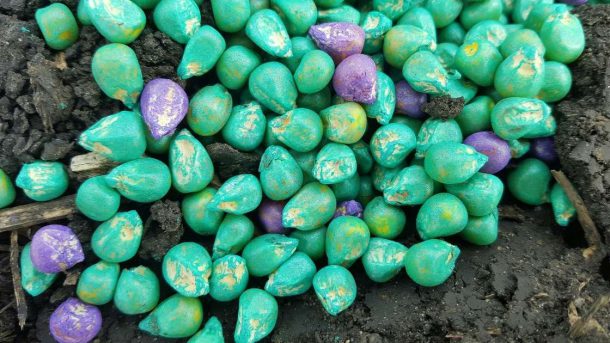
Seed dressing is a method of seed treatment. The seed is dressed with either a dry formulation or wet treated with a slurry or liquid formulation. Dressings can be applied at both, the farm and industries. Low cost earthen pots can be used for mixing pesticides with seed or seed can be spread on a polythene sheet. The required quantity of chemical can be sprinkled on the seed lot and mixed mechanically by the farmers.
How primary infection and secondary infection occurs ?
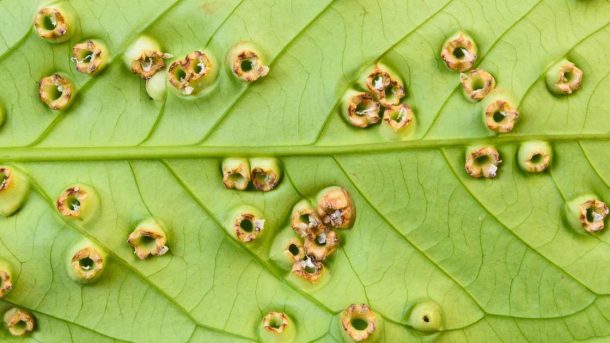
Primary infection occurs when the pathogen comes into contact with a susceptible host under favourable environmental conditions. Pathogens penetrate the surface of a plant directly or enter through wounds or natural openings. Growth and development of a pathogen usually occurs on or within infected plant tissue. Secondary infection results from spores or cells produced following primary infection or from other secondary infections. The secondary infection cycle can be repeated many times during the growing season.
The number of cycles is dependent on the biology of the pathogen and its host and the duration of environmental conditions needed for infection.
How neem seed act as a repellent ?
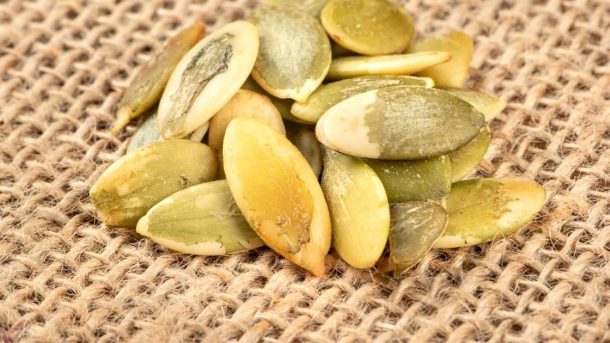
Neem seed suspension act as a repellent against locusts and grasshoppers. Kernels of mature neem fruits should be crushed into a coarse powder. For obtaining 0.1% concentration, 1 g of powdered neem seed is required for a litre of water. The required quantity of the coarse powder should be put in a small bag of muslin cloth and dipped in water contained in a bucket and squeezed till the water becomes light brownish. This has to be sprayed on crops.
What are contact and stomach pesticides?
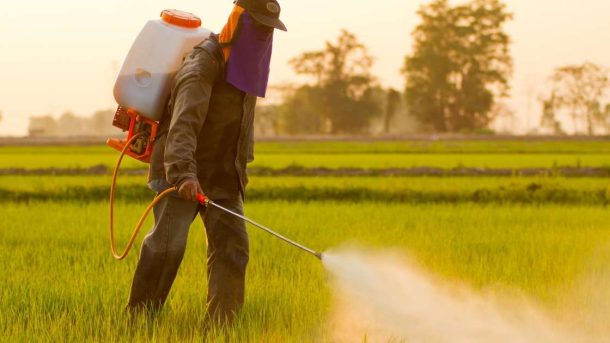
Contact and stomach poison work by the mechanism in which , when insect comes into contact or when the insect eats the pesticide sprayed parts, it gets killed. Contact and stomach poison is used for controlling larvae that feed on leaves. Examples include Flubendamide. Some of the pesticides derived from plants also have contact action, for example pyrethrum, sabadilla, etc.
What is FYM ( Farm Yard Manure )?
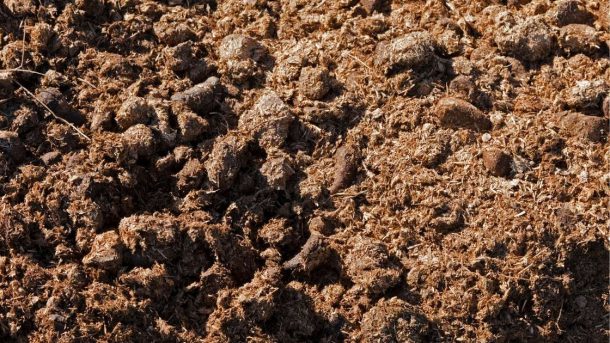
Farm yard manure refers to the decomposed mixture of dung and urine of farm animals along with litter and left over material from roughages or fodder fed to the cattle. On an average well decomposed farmyard manure contains 0.5 per cent N, 0.2 per cent P2O5 and .0.5 per cent K2O. FYM is a cheap and easily available source of organic nutrients. Application of FYM improves chemical, physical and biological condition of soil. FYM can supply all nutrients that are required by the plants. FYM is rich in organic material that it nurtures soil organism and maintains an active soil life and it is rich in nutrients.
What are the advantages of mechanization of agriculture ?
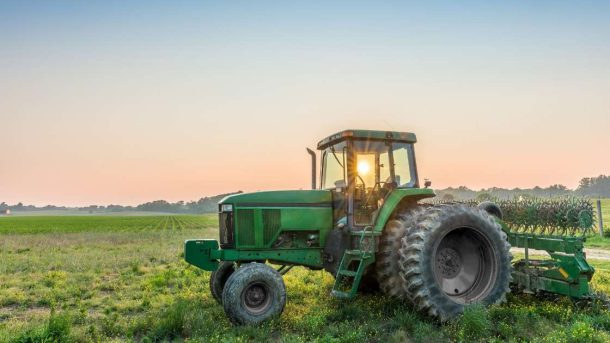
Appropriate machinery is required for ensuring timely field operations, effective application of agricultural inputs and reducing drudgery in agriculture. The advantages include increased cropping intensity, large area coverage and timeliness, increased farm labour productivity and increased crop productivity and profitability.
What is seed pelleting?
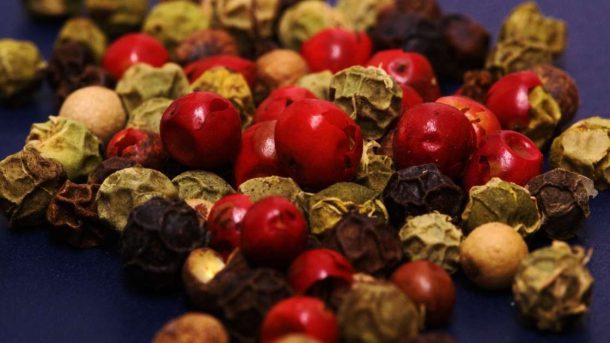
Seed pelleting is the process of enclosing a seed with small quantity of inert material to increase their weight, size and shape. Seeds for sowing in the nursery or the open field are pelleted to improve the efficiency of the mechanical sowing process and to optimize conditions for good germination. It is also possible to integrate plant protection products, nutrients and growth stimulation products into the coating. A color or visual effect can be added to give better seed visibility on the soil and to underline the quality appearance of seed.
How drip irrigation works and what are the benefits?
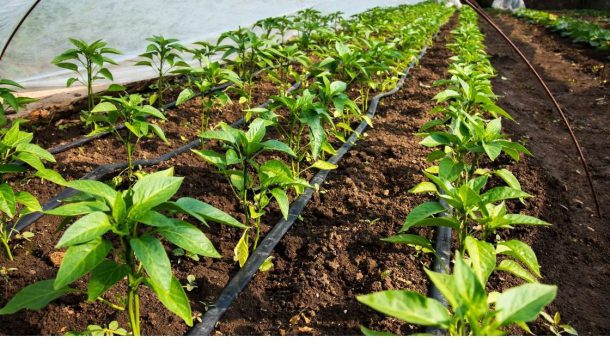
Delivery of water and nutrients are done across the field in pipes called ‘dripper lines’ featuring smaller units known as ‘drippers’. Each dripper emits drops containing water and fertilizers, resulting in the uniform application of water and nutrients direct to each plant’s root zone, across an entire field. Farmers prefer drip irrigation because compared to other of irrigation methods, it gives farmers an efficient and simple way to operate their farms. Benefits of drip irrigation include higher consistent quality yields, huge water savings ,100% land utilization , energy savings , efficient use of fertilizer and crop protection, and less dependency on weather.
What is drip irrigation?
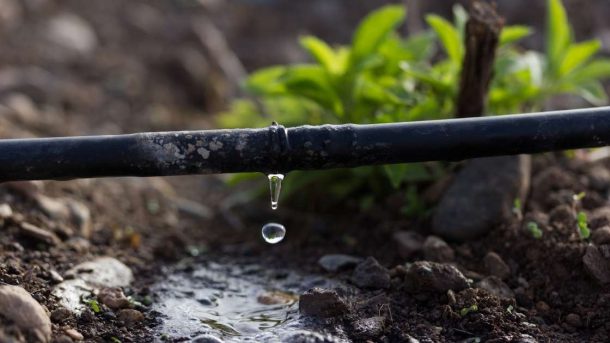
Drip irrigation is the irrigation system that delivers water and nutrients directly to the plant’s roots zone, in the right amounts, at the right time, so each plant gets exactly what it needs, when it needs it, to grow optimally. Drip irrigation is the most efficient water and nutrient delivery system for growing crops. With the help of drip irrigation farmers can produce higher yields while saving on water as well as fertilizers, energy and even crop protection products.