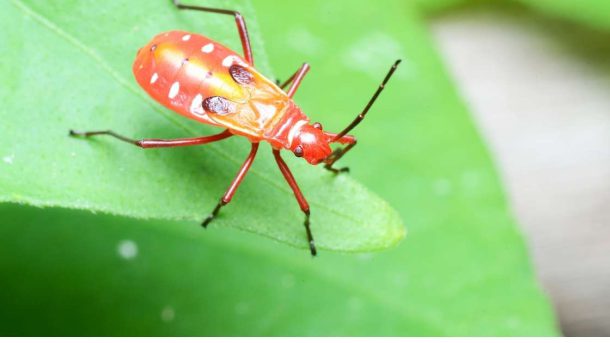
The sap from the green bolls is sucked by insects. At the same time, the fluid leaking from its body promotes the growth of bacteria and fungus, lowering the quality of cotton. The problem appears to be worsening from January forward. Because this pest is also found in harvested cotton, the price of cotton bales suffers as a result of red spots on the cotton during the ginning process. Pests have been on the rise for the past 4-5 years.
What are the symptoms of late blight of potato and how to control it ?

Purple black patches occur on the top leaves and branches of the stem when the illness first appears. White fungus can be observed growing under such dots. Under more severe disease, the crop seems to be burned. This sickness has an impact on tuber settings as well. Spray azoxystrobin 23 SC @ 10 ml or mancozeb 75 WP @ 20 g or metiram 70 WG @ 20 g or metalaxyl M 4 percent + mancozeb 64 percent WP @ 20 g per 10 lit of water at the start of the treatment.
During when , infestation of brinjal shoot & fruit borer remain lower?
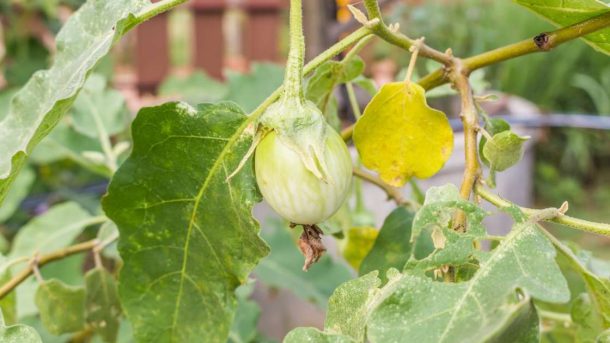
According to one study, the pest’s impact is often less in crops transplanted in September. Some farmers will have transplanted this crop and will be witnessing the pest’s devastation. Spray chlorantraniliprole 18.5 SC 4 ml, emamectin benzoate 5 SG @ 4 g, thiodicarb 75 WP @ 10 g, or beta-cyfluthrin 8.49 percent + imidacloprid 19.81 percent OD @ 4 ml per 10 lit of water if damage is severe.
What is pruning and what is the principle?
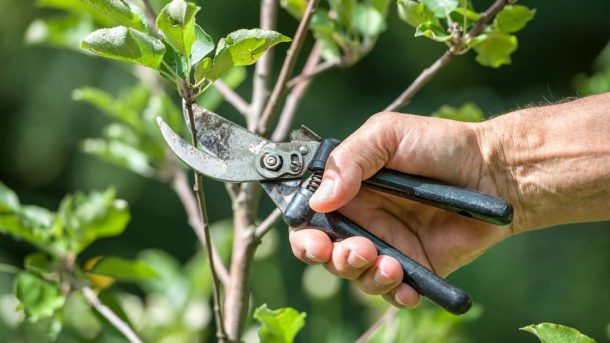
Pruning is the deliberate removal of branches, twigs, limbs, shoots, or roots. The main principle of pruning is to reduce the apical dominant & encourage the lateral branches to grow. Pruning gives a definite direction and shape to the plant along with a strong framework. Pruning also influences productiveness and improves the quality of the product.
What is wintering in rose ?
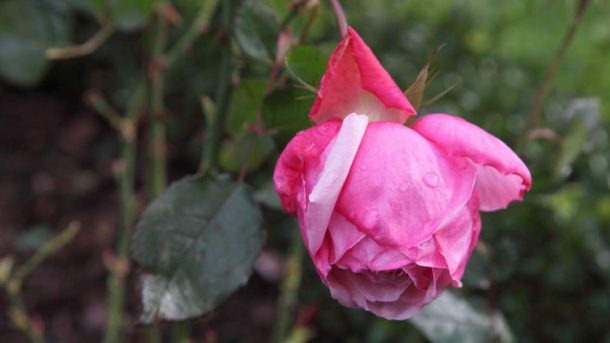
This could be a viable alternative to root pruning. Root pruning may not be necessary in the hotter portions of India. Ornamental plants are “wintered” in such situations. In northern and eastern India, flowering bushes like rose and jasmine can be wintered. The water supply to the plant to be wintered is turned off for a few days during the resting period, and the roots are exposed to the sun by removing the surface soil surrounding the trunk. Depending on the age, type, and hardiness of the plant, exposure can last anywhere from three to fifteen days. The roots are then covered with the same soil, which has been treated with farm yard manure, and thoroughly watered.
What is defoliation in floriculture ?

The process of removal of foliage is known as defoliation. This is done mainly with a view to inducing flowering in certain plant. This can also be done to reduce transpiration loss during periods of stress and strain and also during transportation of certain plants such as roses. Defoliation can be achieved by the removal of leaves by hand or by the use chemical and withholding water.
What is deshooting in floriculture ?

Deshooting is the process of removing unwanted shoots. If all of the side shoots on some flowering annuals and herbaceous perennials are allowed to droop, the size and quality of the blooms will be substantially decreased. Only a few side shoots are permitted to flower, while the rest are destroyed before they flower.
What is stopping or pinching in floriculture?
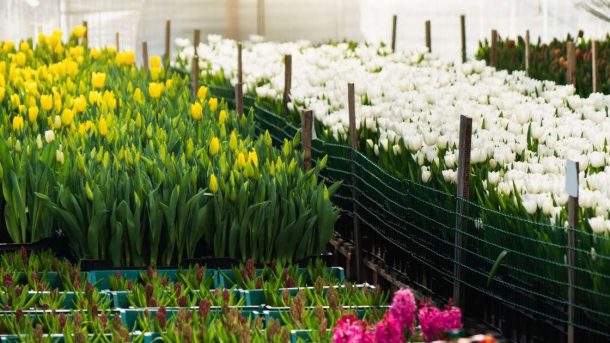
The procedure of pinching or stopping includes the removal of a shoot’s growth tip as well as a few leaves. The primary goals of pinching includes enhancing production of flower buds on the pinched branch and encouraging branching to promote bushy growth. Pinching is done at a stage when the plants are young and between 7 and 15 cm in height, depending on their habits of growth. The plants which need pinching include dahlia, chrysanthemum, marigold, carnation, rose.
What is organic farming ?

Organic farming is an agricultural technique that relies on environmentally friendly pesticides and biological fertilisers made primarily from animal and plant wastes, as well as nitrogen-fixing cover crops. Modern organic farming was created in reaction to the environmental harm caused by the use of chemical pesticides and synthetic fertilisers in conventional agriculture, and it provides a number of environmental advantages.
Organic farming utilises fewer pesticides, minimises soil erosion, reduces nitrate leaching into groundwater and surface water, and recycles animal waste back into the farm as compared to conventional agriculture. These advantages are offset by increased consumer food costs and generally lower yields. Organic agricultural yields have been found to be roughly 25% lower than conventionally grown crops on average, though this varies greatly depending on the type of crop. The challenge for future organic agriculture will be to maintain its environmental benefits, increase yields, and reduce prices while meeting the challenges of climate change and an increasing world population.
How red hairy caterpillars are controlled in maize ?
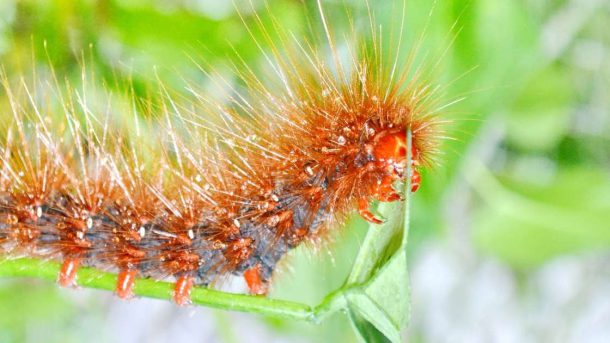
Caterpillars feed and destroy the whole plant if the attack is in the early stages of growth. Control is done by detecting and destroying egg masses and young caterpillar. The field should be ploughed out after the crop is harvested, so as to expose pupae. Thiodan 35 EC @ 27 ml in 18 litres water should be sprayed only as last resort.