What is the significance of phosphate ?

phosphate

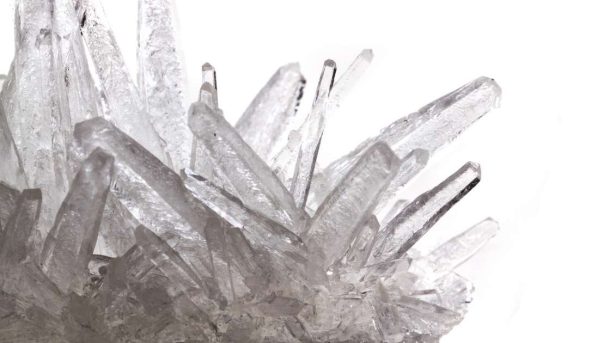
Phosphate is one of the most important ingredients in fertiliser. After nitrogen, it is the second most important nutrient for plants, and it is frequently a limiting factor. It’s crucial for long-term agriculture since it can boost soil fertility and crop yields. Photosynthesis, energy transfer, signal transduction, macromolecular biosynthesis, and respiration are all processes that require phosphorus. It’s necessary for root ramification and strength, as well as seed development and disease resistance. Phosphorus is found in both inorganic and organic forms in the soil and accounts for about 0.05 percent of soil biomass.

Phosphorus fertilisers are the primary source of inorganic phosphorus in agricultural soils, with inorganic phosphorus accounting for 70–80 percent of phosphorus in cultivated soils. People have turned to other sources since long-term usage of phosphate-containing chemical fertilisers causes eutrophication and depletes soil microbial life. 
What is sustainable agriculture ?

sustainable agriculture

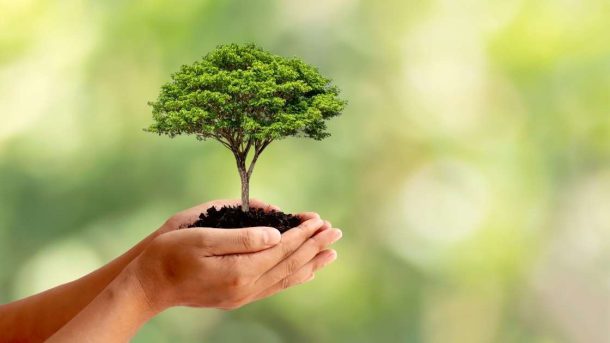
Sustainable agriculture refers to farming methods that are favorable to the environment and allow for the production of crops or livestock without causing harm to human or natural systems. It involves avoiding negative consequences for soil, water, biodiversity, nearby or downstream resources, as well as individuals working or living on the farm or in the surrounding environment. Permaculture, agroforestry, mixed farming, multiple cropping, and crop rotation are all examples of sustainable agriculture. It includes farming practices that meet society’s current food and textile needs without affecting current or future generations’ ability to meet those needs.  It could be founded on a knowledge of ecological services. There are a variety of approaches that can be used to improve agriculture’s long-term viability. It is critical to build flexible business processes and farming methods while developing agriculture within sustainable food systems.

How weed management is done in mango ?

weed

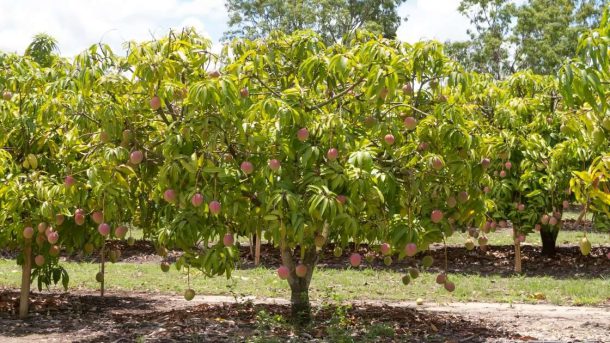
Black plastic mulch (100 micron) restricts the germination of weed seeds and suppresses the weed growth. The size of the film requirement for young plant is 1 m x 1 m, and for 8 years onwards film requirement is 2.5 m x 2.5 m around the tree. Interculturing operations in large canopy trees are done by spraying Glyphosate 41 percent or Glyphosate 71 percent, whereas interculturing operations in small canopy trees are done by hand weeding.

What is earthing up/hilling/ridging ?

earthing

In agriculture and horticulture, hilling, earthing up, or ridging is the practice of piling soil up around the base of a plant. It can be done by hand (most commonly with a hoe) or with powered machinery (most commonly a tractor attachment). Hilling buries the plant’s normally above-ground parts, fostering the desired development. This may accelerate the formation of new tubers (as with potatoes), drive the plant to produce longer stems (as with leeks), or maintain the stems or shoots pale and soft for various crops (chicory, leeks, asparagus, and so on). Hilling can also be used to stabilise the stems of crops that are susceptible to wind damage.

What is gap filling ?

thinning

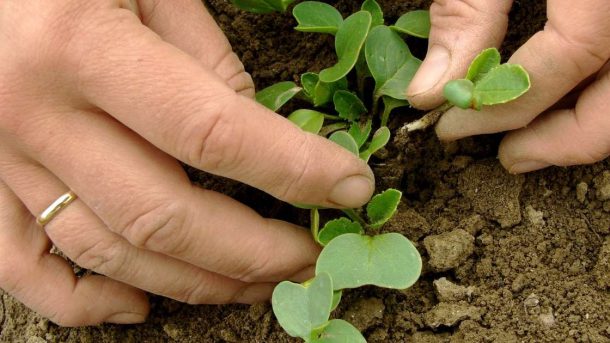
Gap filling involves spreading seeds or transplanting seedlings into gaps where early sown seeds have failed to sprout. These are usually done a week after seeding to a maximum of 15 days after sowing. Gap filling comes first in dryland agriculture. After 7 days after seeding, the seeds are dibbled. To avoid drought, thinning is done after gap filling. Mid-season correction is a management method that involves removing a percentage of the plant population to reduce stress.

What is thinning in agriculture ?

thinning

Removal of excess plants after germination from the crop field or seed bed is called thinning. Excess plants in a crop field reduce crop yield due to intra crop competition. As a result there occurs shortage of space, nutrients, light, air and moisture for individual crop plant which ultimately reduce yield. So, if required, excess seedlings are removed leaving the strongest ones.

What are plant growth hormones ?

hormones

Plant hormones are crucial biochemicals that influence plant development and crop production under a variety of situations, including stress. Auxin, abscisic acid, ethylene, gibberellins, cytokinins, salicylic acid, strigolactones, brassinosteroids, and nitrous (nitric) oxide are examples of plant hormones. Plant hormones play an important role in plant development, starting with seed germination and ending with whole-plant senescence. They helps in flowering , aging , root growth , prevention or promotion of stem elongation ,fruit colour enhancement etc.

What is Kisan Credit Scheme (KCC) ?

KCC

Kisan Credit Card Scheme (KCC) aims at providing adequate and timely support from the banking system to the farmers for their short-term credit needs for cultivation of crops. This mainly helps farmers for purchase of inputs during the cropping season. Credit card scheme proposed to introduce flexibility to the system and improve cost efficiency.

What is KVK ( Krishi Vigyan Kendra )?

KVK

KVK is a district-based scientific organisation dedicated to the development, refining, and distribution of technology. KVK is made up of trained multidisciplinary professionals who focus on agricultural issues that are significant to the local community. Front-line demonstrations, exposure visits, and other activities are organised by KVKs. Training programmes, demonstrations, field days, and other events are all available. Farmers should be given agricultural literature. Some KVKs do provide input assistance to farmers.

What are the symptoms of citrus decline ?

symptoms

The affected trees do not always die completely, but remain in a state for decandance and unproductive for a number of years. Some-times they may suddenly wilt and die in a day or two. In early stages, symptoms are restricted to a few limbs, but eventually the whole tree is involved. Trees show sparse mottling leaves, stunted growth, sickly appearance.

Midrib and lateral veins of old, mature leaves turn yellow with interveinal areas along the veins showing diffuse yellowing. Leaves may turn yellow and are shed with the onset of summer or autumn and the die-back of twigs starts. Dead shoots stand out prominently and may be found dead right down to the main trunk. The entire tree bears short
twigs carrying narrow small leaves on their lower portion.