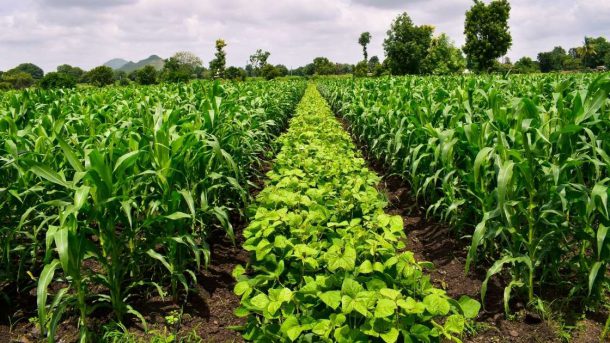
Crop rotation is the practice of cultivating a variety of crops in the same location over the course of several growing seasons. It decreases dependency on a single set of nutrients, pest and weed pressure, and the likelihood of pest and weed resistance. Crop rotations can improve soil structure and organic matter, reducing erosion and strengthening farm systems.
How earthworm increases soil fertility ?
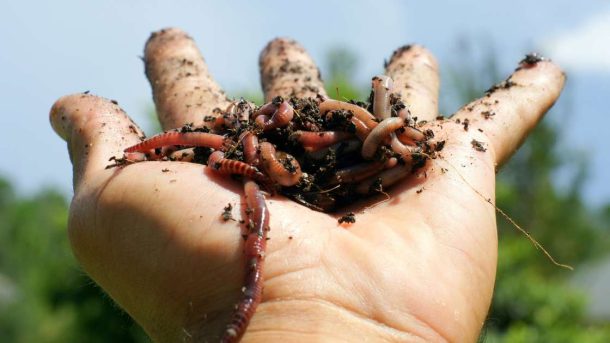
Earthworms are one of the most important organic matter decomposers. Earthworm burrows enhance soil porosity, allowing more air and water to penetrate the soil. Porosity improves root development while lowering bulk density. Because it contains nitrogen, phosphate, potassium, and magnesium, earthworm faeces or castings improve soil fertility.
How to control leaf eating caterpillar in cabbage ?
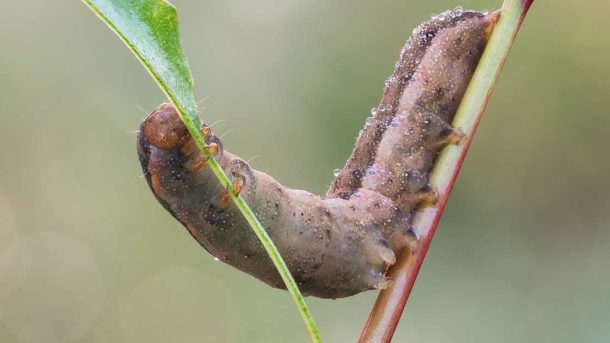
Caterpillars emerge from the egg mass, scrape the epidermal layer of the leaves, and swiftly defoliate the plants. Spray Bacillus thuringiensis, bacterial powder @ 10 g at first, then chlorfluazuron 5.4 EC @ 10 ml or cyantraniliprole 10 OD @ 10 ml per 10 lit of water if population is large.
How to control diamond back moth in cabbage?
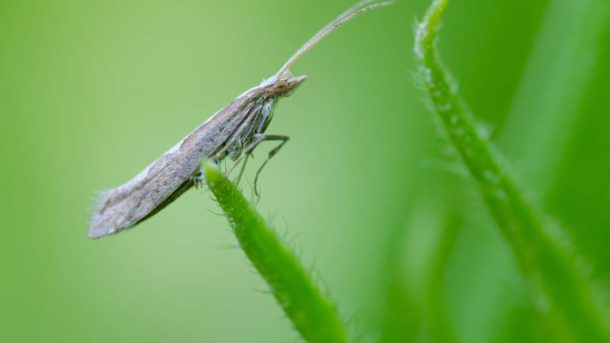
This pest’s infection usually begins 15-20 days after the crop is transplanted. Farmers that have planted mustard or cress (asaliyo) as a trap crop around the field’s perimeter are less susceptible to the insect. By feeding, the larvae create multiple holes in plants, causing significant damage. Spray chlorantraniliprole 18.5 SC @ 3 ml, emamectin benzoate 5 SG @ 3 g, or metaflumizone 22 SC @ 10 ml per 10 lit of water at the start of the treatment.
Why boron application is recommended for cauliflower ?
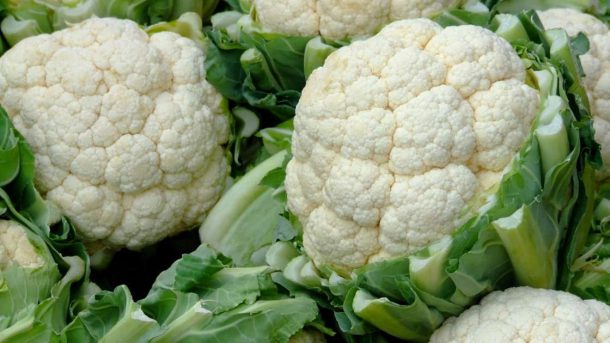
Cauliflower’s quality deteriorates as it yellows, resulting in a decreased market price for the product. Spray boron at 1 gm/liter of water at the growing stage of curd to prevent this. One kilogramme of boron should be applied through drip per acre. So that the cauliflower turns white while maintaining its quality.
How pest management is done in drumstick?
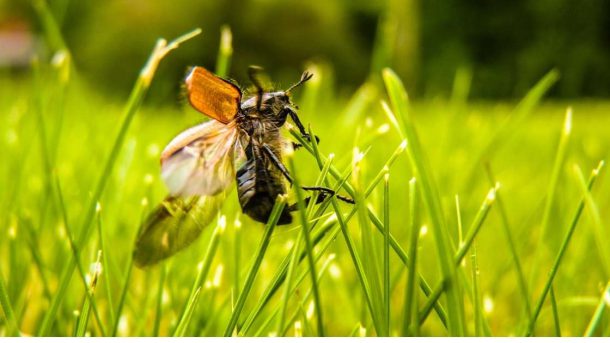
Integrated pest management in drumstick is done by installing a light trap in the field or by spraying Neem seed kernel suspension 5% (500 g) or neem based formulations @ 10 ml (1% EC) to 40 ml (0.15% EC). We can also use bio pesticides such as, Verticillium lacani or Bouveria bassiana, fungal-based powder @ 40 g per 10 litre of water.
Collecting the fallen and infested pods regularly and burying them in the soil helps in controlling pest. Periodically collecting and destroying all the fallen and damaged fruits by dumping in a pit and covering with a thick layer of soil to prevent carry-over of the pod fly is another method. Neem based formulations are sprayed during pod formation and again after 35 days to reduce the infestation of pod fly.
Why azolla is an ideal organic feed for livestock ?
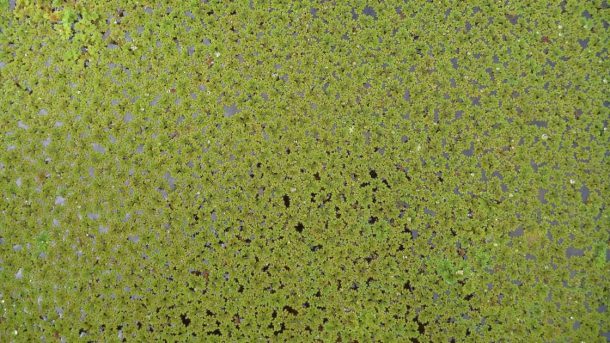
Because of its high protein content and low lignin concentration, azolla is easily digested by livestock. Fresh azolla can be combined 1:1 with commercial feed or given to livestock directly. It was discovered that when cattle were fed azolla, their milk output increased by 10% to 12%. It’s also been discovered that azolla feeding improves milk quality. Azolla is rich in protein, almost 20-25% CP on dry weight basis. It is also found to contain essential minerals like Iron, calcium, magnesium, phosphorus, copper, manganese etc. Apart from appreciable quantities of vitamin A and vitamin B12. It is also found to contain almost all the essential amino acids, many probiotics, bio-polymers and beta carotene.
Which parasitoids are used to control papaya mealy bug ?
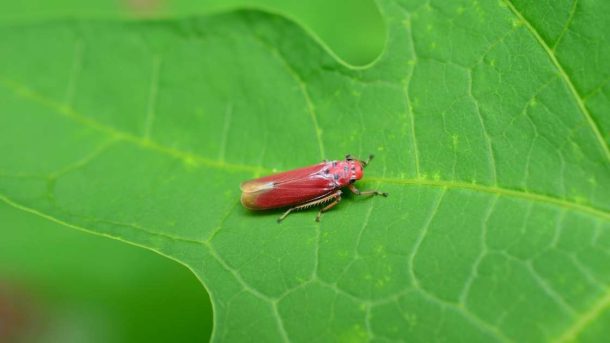
Parasitoides like Acerophagus papayae or Anagyrus loecki are used to control mealy bug. This pest is more prevalent on fruits than on the leaves, twigs and other parts of the plant. Looking to the residues, we have to avoid the spraying of insecticides for the control.
Why moringa is used as a green fodder for animals ?

There has been an increasing interest in the use of Moringa as a protein source for livestock . Laboratory analysis showed negligible amounts of tannins (1 to23 g/kg) in all fractions of the Moringa oleifera plant and high levels of sulphur-containing amino acids. Macronutrients like P, K, Ca, and Mg play key roles in balancing the physiological, metabolic, and biochemical processes of livestock. Moringa leaves contain high amount of macronutrients Mg and K, and can be effectively used to fulfill the dietary and nutritional requirements of livestock animals by mixing of Moringa leaves. Moringa leaves contain a good amount of beta-carotene, vitamin C, calcium, magnesium and iron.
What is mosaic virus disease of watermelon ?
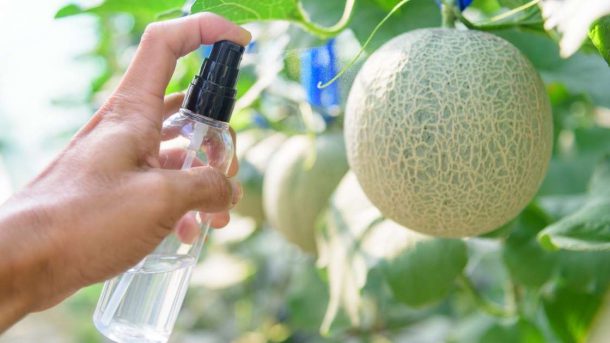
Aphids are the carriers of this virus. Mosaic like symptoms emerge on leaves as a result of this virus. Vein bending, reduced leaf size, leaf deformation, and blisters are also seen on the leaves. This virus may have a negative impact on plant growth and fruit yield. Manage the aphid population effectively to prevent the virus from spreading. Spray Metarhizium, a fungus-based powder, at a rate of 40 g per ten litres of water to control aphids.