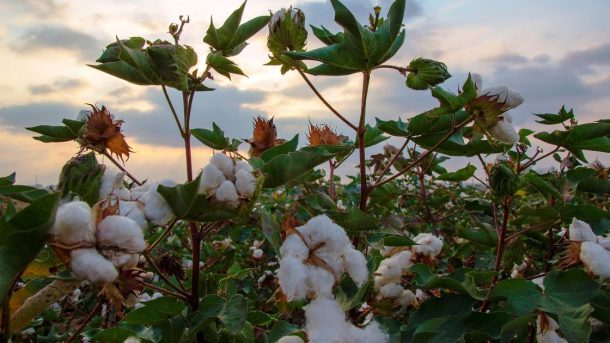
Storing cotton bolls encourages the growth of pink bollworm. Pink bollworm larvae will be found in newly harvested cotton, and developing moths will most likely return to the cotton field. As a result, if there is a decent price, it is smart to sell straight in the market. If a quick sale isn’t possible, keep the cotton in the house and close the doors and windows. Set up a single pheromone trap in the storeroom to catch any developing moths.
Why pandol system is used for growing cucurbits ?
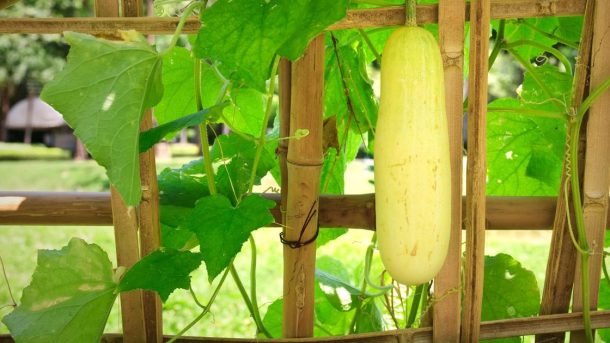
When vine of the cucurbit family vegetable is supported, it grows well. The vines remain good from 6 to 7 months. If on the ground, they remain good only for 3 months. Leaves and fruits do not come into contact with the soil. Because there is adequate ventilation, the risk of rot, pests, and infections is reduced. Proper spraying can be done. The cucurbit family of vegetable crops grow well, and the colour and quality of the fruits are preserved; picking and hand weeding of the crop is also simple.
What is soil electrical conductivity(EC)?
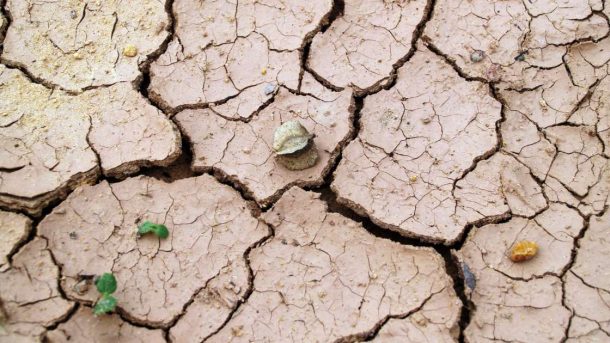
Soil electrical conductivity (EC) is a metric for how much salt is in the soil (salinity). It’s a good indicator of nutrient availability and loss, as well as soil texture and water capacity. It has an impact on crop yields, soil suitability for certain crops, the amount of water and nutrients available for plant use, and the activity of soil microorganisms, all of which influence essential soil processes including greenhouse gas emissions, such as nitrogen oxides, methane, and carbon dioxide.
How wind erosion management is done in farms ?
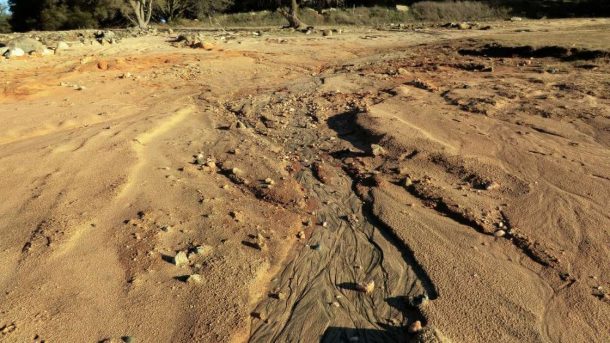
Soil surface is protected from wind erosion with a cover of vegetation or vegetative residues. Wind erosion can be managed by producing or bringing to the surface soil aggregates or clods which are large enough to resist the wind force. Wind velocity is reduced by roughening the soil and drifting soils are trapped. Establishing barriers or trap strips at intervals helps in reducing wind velocity and soil drifting.
What are the symptoms of molybdenum deficiency ?
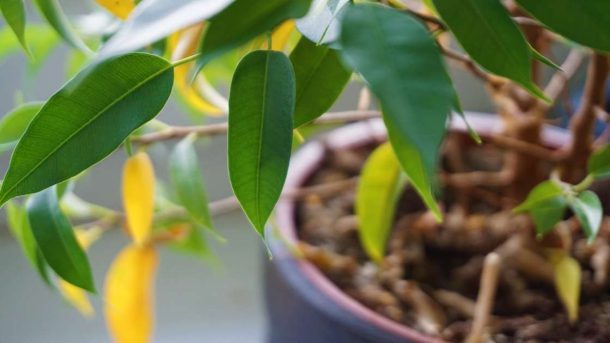
Molybdenum deficiency include chlorotic interveinal mottling of the lower leaves, followed by marginal necrosis and in
folding of the leaves. In cauliflower, the leaf tissues wither leaving only the midrib and a few small pieces of leaf blade(“whiptail”).
Molybdenum deficiency is markedly evident in leguminous plants. Without sufficient molybdenum plants accumulate nitrate in their leaves, but cannot use it to make proteins for normal growth. The plant becomes stunted and the leaves show symptoms of nitrogen deficiency, appearing pale green or yellowish green in colour between the veins .
What is specific gravity of fruits ?
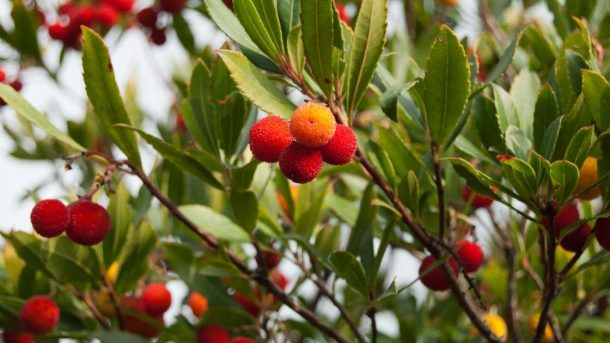
Fruit’s specific gravity can be used as a maturity grading indicator. Water has a specific gravity of 1.00, while common salt solution (2.5 percent NaCl) has a specific gravity of 1.02. Both are used to grade mango fruit development. Mango, for example, has a specific gravity of 1.01-1.02.The optimum matured fruits have specific gravity between 1.01 and 1.02 while below 1.02 is immature and above 1.02 is considered overripe.
What is physiological maturity in horticulture ?
It refers to the point in the development of fruits and vegetables when they have reached their maximal size and maturity. It is frequently linked with fruit that has reached full ripeness. Senescence follows the physiological mature stage. A French bean pod of okra, for example, is physiologically mature when the seeds are fully formed and the pod dehisces easily.
What is crop maturity ?

The basis for selecting the exact moment/stage to pick a crop is maturity. When it comes to quality, the stage at which the crops should be picked is critical. When harvesting is done at the correct stage of maturity, good quality is attained. Fruits harvested before optimum maturity may not ripen properly or develop good flavour, whereas crops harvested late (over mature) have a shorter post-harvest life and are more likely to decay.
What are the maturity indices of tomato?
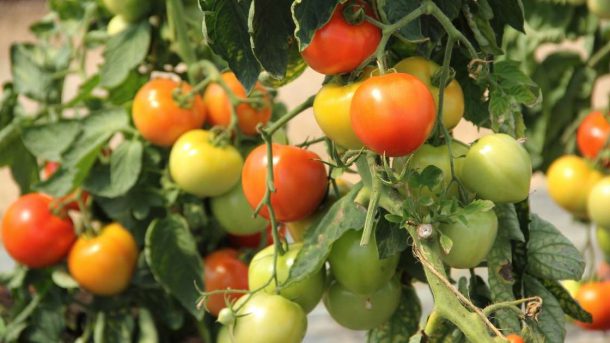
Tomatoes mature from entirely green in the first stage of maturity to red on more than 90% of the surface in the sixth and final stage of maturity. Tomatoes are harvested in the second stage when the colour changes from green to tannish-yellow and covers less than 10% of the tomato surface. Tomatoes for drying should be gathered when over 90% of the surface is red in the sixth and final stage. During the ripening phase, the weight, size, and Brix increase, while the hardness declines.
What are the benefits of raised bed planting ?
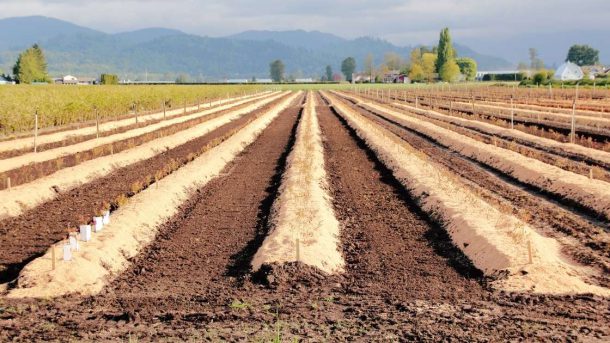
Raised beds provide a number of advantages. It helps in extending the planting season , eliminating weeds if properly planned and planted, and helps in avoiding the use of poor native soil. The soil is not compacted and the roots have an easier time growing because the farmer does not walk on the raised beds.