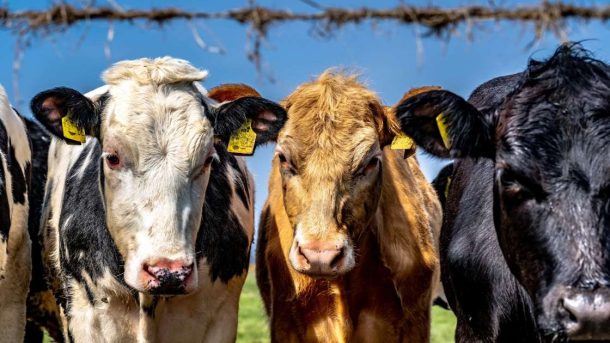
For the benefit of farmers and policymakers in the Animal Husbandry Department, an online animal disease forewarning system has been established with the overarching goal of improving the country’s early warning and response capacity to animal disease risks called National Animal Disease Referral Expert System (NADRES).
What is plant tissue culture ?
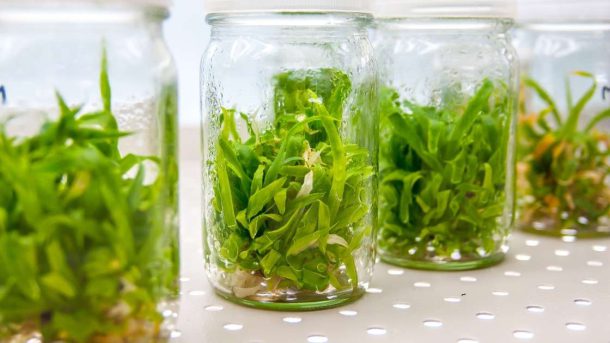
The growing of plant cells, tissues, or organs on specially formulated nutritional media is known as tissue culture (TC). A single cell may regenerate an entire plant under the appropriate conditions. Plant tissue culture is a method that has been used for over 30 years. Tissue culture is regarded as a critical technology for developing countries in the creation of disease-free, high-quality planting material as well as the rapid manufacture of large numbers of homogeneous plants.
What are rabi crops ?
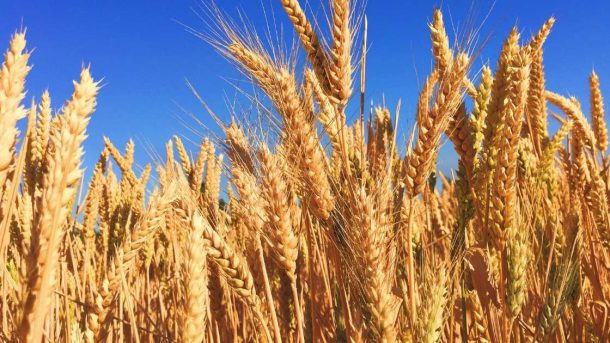
Rabi crops, also known as rabi harvest, are winter-sown and spring-harvested agricultural crops in India, Pakistan, and Bangladesh. The kharif crop, which is planted after the rabi are harvested one after the other, is the opposite of the rabi crop.
Rabi crops are planted in mid-November, ideally after the monsoon rains have passed, and harvested in April/May. Rainwater that has percolated into the ground or irrigation are used to cultivate the crops. Winter rains wreak havoc on rabi crops but are beneficial to kharif crops. Wheat is India’s most important rabi crop, followed by barley, mustard, sesame, and peas.
What are kharif crops ?

Kharif crops, also known as monsoon crops or autumn crops, are domesticated plants grown and harvested in India, Pakistan, and Bangladesh during the monsoon season, which lasts from June to November depending on the region.
In some parts of the Indian subcontinent, monsoon rains can start as early as May, and crops are harvested between the third and fourth weeks of September and October. Rice, maize, and cotton are among of India’s most important Kharif crops. The Rabi crop, which is planted in the winter, is the polar opposite of the Kharif crop.
What is GIS-Based Agriculture?
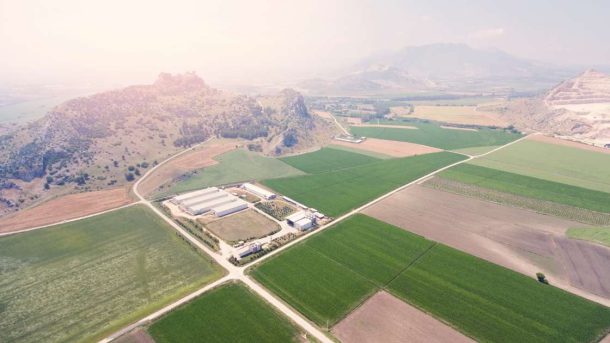
Because fields are based on location, GIS software becomes a very important tool for precision farming. Farmers can use GIS software to map current and prospective changes in precipitation, temperature, crop yields, plant health, and other variables. It also allows farmers to use GPS-based treatments in conjunction with smart machinery to optimise fertiliser and pesticide application; because they don’t have to treat the entire field but simply treat certain regions, they can save money, effort, and time.
How to ensure healthy growth of potatoes?
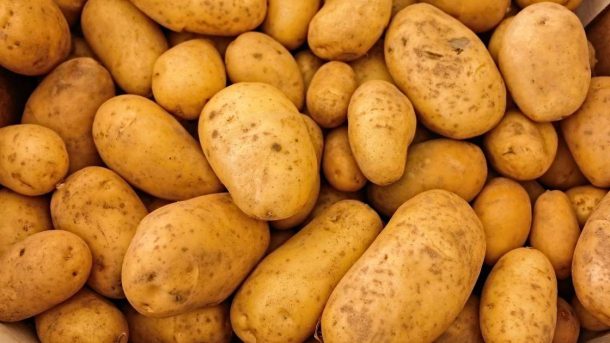
Earthing up should be done to maintain proper aeration, proper soil temperature and moisture in soil for good growth of crop and proper development of tubers. After that provide 12:61:00 @ 3 kg per acre through drip. One of the most important aspects of cultivating potatoes is to avoid exposing their tubers (i.e., the potato crop) to too much sunlight. Exposed tubers turn green and release solanine, a poisonous chemical that renders them bitter, inedible, and possibly nausea-inducing.
How onion fly causes damage in onion?
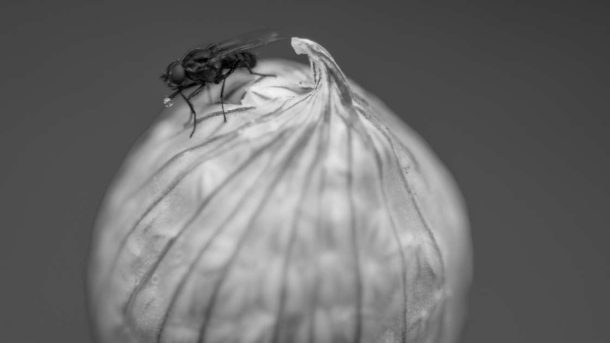
Larvae of a white colour enter the bulb and feed inside. Plants grow weak and yellow as a result of this. This pest persists in the bulb as well. As a result of the damage, onion bulbs in storage go rotting. The infested bulbs gives out an unpleasant odour. As a result, the infestation begins in the field and continues in the storage.
How pea moth larvae causes damage in pea ?
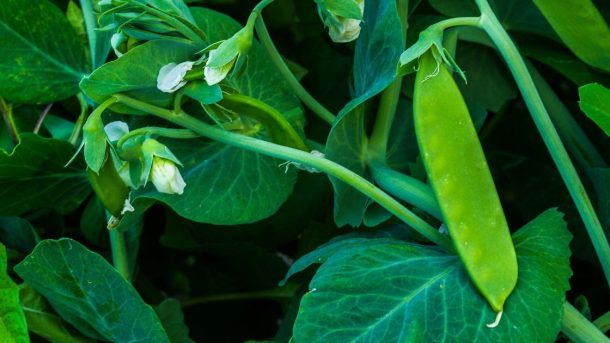
The larvae hatch from the eggs laid on the leaves and blossoms, then they enter the developing pea pod to feed the seeds. Infested pods turn yellow and ripen too soon. In certain pods, more than one larva can be seen. In early sown pea crops, the infection of these larvae may be minimal. Spray malathion 50 EC @ 10 ml or Bouveria bassiana, a fungus-based biopesticide @ 40 g per 10 lit of water if the infestation is severe.
Which crops can be used as trap crops?
Plant marigold flowers every ten rows in cotton and tomato fields; the bollworm/fruit borer prefers to lay eggs on marigold flowers over primary crops. To reduce the infestation of leaf-eating caterpillars in cotton, groundnut, and tobacco-like crops, plant castor as a trap crop in and around the field. In and around the tomato field, grow marigold as a leaf miner trap crop. Grow tomato plants as a citrus leaf miner trap crop to control the insect. Napier grass is thought to be a fall armyworm trap crop, which is damaging to maize harvests.
How dusky cotton bug causes damage in cotton ?

Cotton seed sap is sucked by both nymphs and adults. Damaged seeds lose weight and grow slower. This pest causes significant economic harm to the cotton crop used for seed production. Furthermore, infestation obstructs ginning and lowers cotton quality. This insect’s attack was discovered in all cotton-growing areas. Because the insect is also discovered in tied cotton bales, it has an impact on sales and exports.