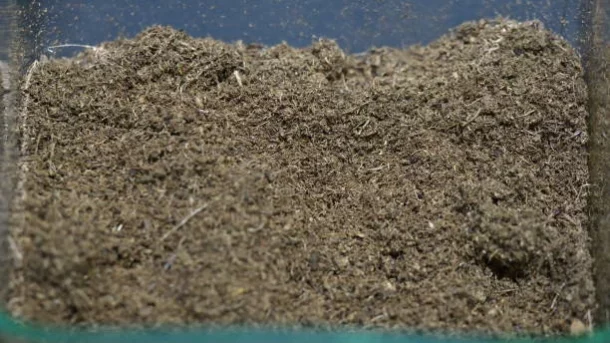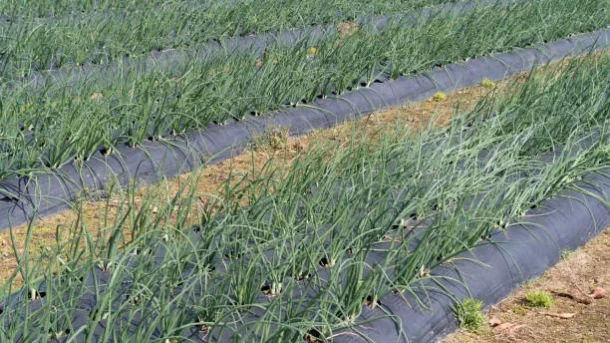
soil organisms

Can biofertilizers be used to improve plant tolerance to abiotic stresses?

tolerance

Drought tolerance: Some biofertilizers, such as mycorrhizal fungi and specific bacteria that promote plant development, can improve a plant’s resistance to drought conditions. Mycorrhizal fungi increase root length and water intake, whilst certain bacteria generate substances that help plants retain water. These procedures assist plants in surviving times of water constraint.

Salinity tolerance: Some biofertilizers can increase a plant’s ability to withstand salinity in the soil. For instance, some mycorrhizal fungi and bacteria that support plant growth assist in controlling the ion balance in plant cells, minimizing the damaging consequences of too much salt. In saline environments, this can enhance the health and growth of plants.

Temperature tolerance: Biofertilizers can help increase a plant’s tolerance for high and low temperatures. By promoting root growth, food uptake, and the generation of stress-related hormones, they can help plants resist temperature stress.

Heavy metal tolerance: Some biofertilizers, such as specific bacteria that promote plant development, can help with the soil’s detoxification of heavy metals. These microorganisms could create substances that bind to heavy metals and lessen their toxicity to plants.

Tolerance to osmotic stress: Biofertilizers may encourage the buildup of osmolytes (osmoprotectants) in plant cells. Osmolytes are organic substances that support cellular turgor maintenance and shield cellular components from osmotic stress.


How do biofertilizers influence the production of plant growth hormones?

production

Through the actions of some helpful microorganisms they contain, biofertilizers can affect the production of plant growth hormones. These bacteria have the ability to either directly make plant growth hormones or indirectly encourage the host plant to produce hormones. Plant growth hormones, sometimes referred to as phytohormones, are essential for controlling a variety of physiological activities in plants, including as growth, development, and stress responses. The following describes how biofertilizers affect the synthesis of plant growth hormones:

Production of auxins: Some biofertilizers, notably bacteria that promote plant development, have the ability to produce and release auxins like indole-3-acetic acid (IAA). Auxins play a role in apical dominance, root growth, and cell elongation. These auxin-producing bacteria can improve root development and branching when administered to plants.

Production of cytokinins: Some biofertilizers include microbes that create cytokinins, including zeatin. Cell division and differentiation depend on cytokinins. Enhanced nutrient transfer, postponed senescence, and increased shoot growth are all effects of higher cytokinin levels in plants.

Production of gibberellins: Some biofertilizers could include bacteria that can produce gibberellins. Gibberellins play a role in flowering, seed germination, and stem lengthening. The use of such biofertilizers can encourage the growth of taller plants and longer stems.

Modulation of ethylene: Ethylene is another crucial plant growth hormone, and several biofertilizers have the ability to control its production or activity. Several processes, including fruit ripening, leaf abscission, and stress reactions are influenced by ethylene. In order to promote delayed senescence and increase the shelf life of fruits and vegetables, biofertilizers may assist lower ethylene levels.

What are the long-term effects of using biofertilizers on soil health?

effects

Long-term usage of biofertilizers can improve soil fertility and have a number of beneficial effects on soil health that support sustainable agriculture practices. Key long-term effects include the following:

More fertile soil: Biofertilizers encourage the availability and cycling of nutrients in the soil. This results in a progressive rise in the amount of organic matter in the soil, nutrient content, and nutrient retention capacity over time, all of which promote soil fertility.

Improved soil structure: Biofertilizers can help with soil aggregation and build a solid foundation for the soil. Improved soil structure promotes healthy root growth and overall soil health by improving water infiltration, reducing compaction, and increasing aeration.

The inclusion of beneficial microorganisms in biofertilizers promotes the establishment of a diversified and active microbial community.

Improved soil structure and an increase in vegetation due to improved plant development both contribute to lessening soil erosion. Healthy root systems link soil particles, decreasing wind and water erosion of the soil.

Efficiency in nutrient usage and decreased nutrient losses: Biofertilizers increase the amount of nutrients applied that are absorbed by plants. This results in more sustainable nutrient management by lowering nutrient losses through leaching and runoff.

How do biofertilizers impact the soil’s cation exchange capacity?

cation

The cation exchange capacity (CEC) of the soil can be impacted by biofertilizers in both direct and indirect ways. cation (positively charged ions) such as calcium (Ca2+), magnesium (Mg2+), potassium (K+), and ammonium (NH4+) are necessary nutrients for plant growth. CEC is a measurement of the soil’s capacity to store and exchange these cations. Here are several ways that biofertilizers may affect CEC:

Supply of nutrients: Some biofertilizers, such as phosphate-solubilizing bacteria and mycorrhizal fungus, increase the soil’s ability to hold onto nutrients like phosphorus (P). The pool of exchangeable cations increases when these nutrients are released or made more accessible in the soil, which benefits the CEC.

Organic acids are secreted by several biofertilizers, particularly phosphate-solubilizing bacteria and mycorrhizal fungus. These organic acids can help nutrient insoluble forms to become soluble.

Improved soil structure: Biofertilizers that encourage soil aggregation and enhance soil structure result in increased CEC. The capacity of the soil to store and release cations to plants is increased in well-aggregated soils because they have more surface area for cation exchange.

Microbial activity is sparked in the soil by the presence and activity of beneficial microorganisms found in biofertilizers. Organic matter is broken down by microbial activity, which increases the CEC by releasing cations into the soil solution.

Biofertilizers can help with root exudates and root health. Organic substances called root exudates are generated by plant roots, and they can combine with cations to become more mobile and available for soil exchange.

Can biofertilizers improve soil aeration?

aeration

By strengthening soil structure and encouraging root growth, biofertilizers can indirectly aid in improving soil aeration. For the life of soil organisms and the wellbeing of plant roots, soil aerations is the flow of air inside the soil. In order to sustain aerobic conditions and promote the growth of beneficial aerobic bacteria, proper soil aeration is necessary. How biofertilizers can enhance soil aeration is as follows:

Improvement of soil structure: Some biofertilizers contain microorganisms that make glue- and polysaccharide-producing chemicals. These chemicals aid in the formation of aggregates by binding soil granules together. Larger pore pores in well-aggregated soils provide improved airflow and water infiltration.

Root system development: Biofertilizers that encourage root growth and branching include mycorrhizal fungus and certain plant growth-promoting bacteria. The soil can generate channels and openings due to a well-developed root system, which improves soil aeration and airflow.

Water infiltration: In addition to enhancing soil structure, biofertilizers also help with infiltration. Effective water infiltration helps replace the air in the soil pores, enhancing soil aeration.

Soil aggregation and enhanced structure-promoting biofertilizers can aid in reducing soil compaction. Soils that have been compacted have fewer pore spaces and less freedom to transport air. Biofertilizers indirectly improve soil aerations by lowering compaction.

What is the role of nitrogen-fixing cyanobacteria in biofertilizers?

cyanobacteria

By turning atmospheric nitrogen (N2) into a form that plants can use, usually ammonia (NH3) or ammonium (NH4+), nitrogen-fixing cyanobacteria play a major part in biofertilizers. The biological nitrogen fixation process is crucial for improving the soil’s availability of nitrogen and fostering plant development without the use of artificial nitrogen fertilizers. As an example of how cyanobacteria that fix nitrogen contribute to biofertilizers:

Nitrogen fixation: Cyanobacterias that can fix nitrogen (N2) from the air can do so by converting it to ammonia (NH3) or ammonium (NH4+). These cyanobacterias are able to accomplish nitrogen fixation through the action of an enzyme complex known as nitrogenase.

Similar to how nitrogen-fixing bacteria form connections with legumes (such as Rhizobium with soybeans), some nitrogen-fixing cyanobacterias coexist harmoniously with specific plants. 

Free-living cyanobacteria: These cyanobacteria can be found in soil or water and are capable of fixing nitrogen. These cyanobacteria fix atmospheric nitrogen in the immediate surroundings, adding to the nitrogen pool in the soil.

Nitrogen-fixing cyanobacteria supply the soil with nitrogen, making it more readily available for plant uptake. This is accomplished by converting atmospheric nitrogen into forms that plants can use. Crops and other plants can then grow and develop as a result of this.

decreasing dependency on artificial fertilizers The need of synthetic nitrogen fertilizers is decreased by adding nitrogen-fixing cyanobacteria to biofertilizers. As a result, farmers can utilize more environmentally friendly farming techniques, lessen their negative effects on the environment, and cut the price of their produce by using less synthetic fertilizer.

How do biofertilizers affect the release of nutrients from organic matter in the soil?

nutrients

The release of nutrients from organic matter in the soil is significantly influenced by biofertilizers. Organic matter and soil organic carbon interact with the helpful microbes found in biofertilizers, aiding the breakdown and mineralization of organic compounds. Nutrients are made available to plants by the release of these nutrients in plant-available forms. Here is how the release of nutrients from soil’s organic matter is impacted by biofertilizers:

Organic matter decomposition: Some biofertilizers contain microorganisms that are effective organic matter decomposers. These bacteria release enzymes that convert complicated organic substances, such plant leftovers and organic waste, into simpler ones.

Nutrient mineralization: As organic matter breaks down, it releases vital nutrients including nitrogen, phosphorous, sulfur, and micronutrients in the form of inorganic ions or mineral forms. Mineralization is the process in question.

Solubilization of nutrients: Some biofertilizers, in particular phosphate-solubilizing bacteria, aid in the solubilization of fixed or insoluble forms of phosphorus present in organic matter so that it is accessible to plants.

Chelation of nutrient: Some biofertilizers produce chelators, which are organic molecules. In the soil, these substances combine to generate complexes that increase the availability of micronutrients for plant absorption.

Improved root nutrient uptake: Biofertilizers can promote root development and growth. Plants are able to get the nutrient generated by organic matter decay by exploring a broader area of soil as a result.

Can biofertilizers be used in combination with soil amendments like gypsum?

gypsum

The use of gypsum, a popular soil amendment, in conjunction with biofertilizers can be advantageous in the following ways:

Gypsum is frequently used to enhance soil aggregation and reduce compaction in order to improve soil structure. It aids in the flocculation of clay particles, facilitating improved root penetration and water infiltration. By encouraging microorganisms to produce polysaccharides and glue, which aid in soil aggregation, biofertilizers can further help the improvement of soil structure.

Gypsum can increase the availability of several minerals, especially calcium and sulfur, without directly supplying those elements. By improving nutrient solubilization and nutrient uptake efficiency, biofertilizers can complement this impact and make nutrients more available to plants.

Nutrient imbalances can occasionally be brought on by the excessive use of particular fertilizers or the presence of unfavorable soil conditions. Gypsum can help correct particular nutritional imbalances by raising soil pH and enhancing nutrient uptake. Through their interactions with plants and the soil microbial population, biofertilizers can help to promote a more balanced nutrient profile.

Gypsum can assist plants in surviving in salty or sodic soils, which are characterized by high sodium levels. Gypsum can increase the stress tolerance of plants by improving soil structure and lowering salt toxicity. When used in conjunction, biofertilizers can improve root development and nutrient uptake, making plants more resistant to environmental stresses and boosting stress tolerance.

What are the differences between biofertilizers and bioinoculants?

biofertilizers and bioinoculants

The biological compounds known as biofertilizers and bioinoculants are both used in agriculture to improve soil fertility and plant growth. Although biofertilizers and bioinoculants are parallels between the two, there are also clear differences:

Definition:

Biofertilizers: Biofertilizers are organic compounds that have living microorganisms such as bacteria, fungi, or algae in them. These living organisms interact with the soil, plants, and plants’ ability to absorb nutrients, making them more available to plants and promoting their overall growth. By enhancing soil health and minimizing reliance on artificial fertilizers, they support sustainable agriculture.

organisms that are present:

Plant growth-promoting rhizobacteria (PGPR), phosphate-solubilizing bacteria, potassium-solubilizing bacteria, and nitrogen-fixing bacteria are just a few of the helpful microorganisms that may be present in biofertilizers.

Process of action:

Biofertilizers: By enhancing nutrient availability and uptake, fixing atmospheric nitrogen, resolving inaccessible nutrients, and encouraging beneficial microbial activities in the rhizosphere, biofertilizers improve soil fertility and plant growth.

Application strategy

Biofertilizers: Applied directly to the soil or seed, biofertilizers offer a wide range of advantages to numerous plants nearby.

Target plants:

Biofertilizers: In a variety of agricultural and horticultural settings, biofertilizers can be used to promote nutrient availability and growth in a wide range of crops and plants.

Bioinoculants: In general, bioinoculants are intended for particular crop types. For instance, although mycorrhizal bioinoculants are suitable for a variety of crops, trees, and shrubs, rhizobium bioinoculants are intended exclusively for leguminous plants.

How do biofertilizers influence the plant’s root development?

influence

Through a number of processes, biofertilizers can influence plant root development favorably. Different kinds of biofertilizers, like mycorrhizal fungi and certain bacteria that promote plant growth, are crucial in fostering root growth and branching. Here is how biofertilizers affect the growth of plant roots:

Mycorrhizal associations: Mycorrhizal fungi collaborate symbiotically with plant roots to form mycorrhizae, a mutualistic interaction. These fungi efficiently extend the plant’s root system by extending their hyphae (fine filaments) into the soil. Plants can influence more nutrients and water thanks to the assistance of mycorrhizae, especially those that are less mobile or readily available to the plant.

Facilitating nutrient uptake: Mycorrhizal fungi have a special capacity to acquire and absorb nutrients from the soil and transmit them to the plant.

Production and control of hormones: Some biofertilizers, notably a few microorganisms that promote plant development, create plant hormones like auxins and cytokinins. These hormones are essential for root development because they encourage root elongation, branching, and the general structure of the root system.

Increased nutritional availability: Some biofertilizers, such as nitrogen-fixing bacteria, transform atmospheric nitrogen into forms that plants can use, increasing the plant’s access to vital nutrients. Root growth is encouraged to support higher nutrient uptake with an enhanced nutrient supply.

Stress resistance: Biofertilizers can increase a plant’s resistance to certain abiotic conditions, like salinity and drought. Root growth is less hindered and root systems stay healthy and active even under stressful situations when plants are better able to handle stress.