soil organisms

Can biofertilizers be used in hydroponic and aeroponic systems?

hydroponic

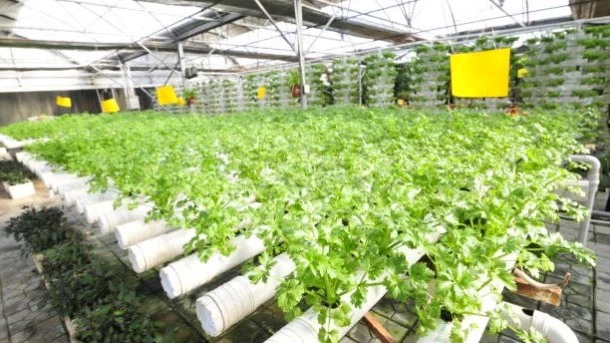
These methods do away with the need for soil-based nutrient provision by directly supplying nutrients to plant roots. Biofertilizers can be used in hydroponic and aeroponic systems in the following ways:

Biofertilizers are frequently offered in liquid formulations or carrier-based formulations. Liquid formulations are better suited for hydroponic and aeroponic systems since they can be easily incorporated into nutrient solutions or misting systems.

Checking the compatibility of the biofertilizer product with the particular nutrient solution being used is crucial prior to employing biofertilizers in hydroponic or aeroponic systems. The efficiency of some biofertilizers may be impacted by interactions with specific nutrients or other additions in the solution.

The ideal concentration of the biofertilizer to be added to the nutrient solution or misting system should be determined. To determine the appropriate concentration for the specific crop and system, carry out small-scale trials or adhere to the manufacturer’s dosing instructions.

Types of biofertilizers: Take into account employing biofertilizers appropriate for soilless environments. Due to the lack of a soil environment, some biofertilizers, such as mycorrhizal fungi, may not be as efficient in hydroponic or aeroponic systems.

Application approach: Depending on how the system is built, the biofertilizer will be added in one of several ways. In aeroponics, the biofertilizer can be added to the misting solution, but in hydroponics, it can be added straight to the nutrient reservoir.

What is the role of nitrogen-fixing archaea in biofertilizers?

nitrogen-fixing

The role of nitrogen-fixing archaea in biofertilizers is still being studied as of my most recent knowledge update in September 2021, and their practical application in agriculture is not yet well-established. However, like nitrogen-fixing’s bacteria and cyanobacteria, nitrogen-fixing’s archaea have the potential to contribute to biofertilizers.

In biofertilizers, nitrogen-fixing archaea may play several roles.

The genetic ability of nitrogen-fixing archaea to transform atmospheric nitrogen (N2) into ammonia (NH3) or ammonium (NH4+), making nitrogen available for plants, is the basis for biological nitrogen fixation. For the soil to be enriched with nitrogen, a crucial ingredient for plant growth, this biological nitrogen fixation process is necessary.

Increased variety of nitrogen-fixing microorganisms in the soil can be achieved by including nitrogen-fixing’s archaea into biofertilizers. 

Different nitrogen-fixing’s microbes, including archaea, may thrive under particular soil circumstances thanks to their ability to adapt to such conditions. In soils where conventional nitrogen-fixing’s bacteria encounter difficulties, incorporating archaea into biofertilizers may be advantageous.

Using nitrogen-fixing archaea in biofertilizers could lessen the need for synthetic nitrogen fertilizers, encouraging more environmentally friendly agricultural practices and reducing negative effects like nitrogen leaching and greenhouse gas emissions.

Can biofertilizers be used in combination with soil biostimulants?

biostimulants

Read and abide by the directions: To understand the suggested application rate, timing, and procedure, carefully read the product label or manufacturer’s instructions. There may be unique application criteria for certain biofertilizers.

The best time to use biofertilizers is during planting or at the proper stage of crop growth. Some biofertilizers work best when sown or transplanted, while others can be sprayed on the leaves or used at particular growth phases.

Avoid applying biofertilizers at high temperatures in order to prevent desiccation and lessen stress on the beneficial microorganisms. This is especially important in hot weather.

Root growth: Biofertilizers, in particular mycorrhizal fungi, promote root growth and boost plant nutrient and water intake. By encouraging root proliferation and elongation, biostimulants can boost root growth even more, resulting in a more widespread and effective root system.

Stress tolerance: While biostimulants can assist plants in coping with environmental challenges like drought, salinity, or temperature variations, biofertilizers can improve plant stress tolerance. The ability of the plant to resist challenging circumstances may be improved by combining the two.

Synergistic effects on plant growth and production may come from the complementing modes of action of biostimulants and biofertilizers. Better crop performance and production may result from the combination.

What are the best practices for applying biofertilizers?

The best practices for biofertilizer application must be followed to provide maximum advantages and optimal integration with current agricultural techniques. The following are some essential recommendations for using biofertilizers:

Choose a biofertilizer that is appropriate for the crop you are trying to grow and the soil you are using. The helpful microorganisms found in many biofertilizers are tailored to individual plant types and environmental conditions.

Use high-quality products: Make sure biofertilizers you buy come from reliable sources and are packed with healthy, productive microorganisms. Verify the credentials and quality control requirements of trustworthy vendors.

Read and abide by the directions: To understand the suggested application rate, timing, and procedure, carefully read the product label or manufacturer’s instructions. There may be unique application criteria for certain biofertilizers.

The best time to use biofertilizers is during planting or at the proper stage of crop growth. Some biofertilizers work best when sown or transplanted, while others can be sprayed on the leaves or used at particular growth phases.

Avoid applying biofertilizers at high temperatures in order to prevent desiccation and lessen stress on the beneficial microorganisms. This is especially important in hot weather.

How do biofertilizers influence the release of micronutrients in the soil?

micronutrients

Through a number of mechanisms that increase mineral solubility, chelation, and availability, biofertilizers have the power to affect how quickly micronutrients are released into the soil. Micronutrients are necessary substances that plants need in minute amounts, and soil availability is critical for optimum plant growth and development. The following describes how biofertilizers affect the soil’s release of micronutrients:

Producing organic acids: Some biofertilizers, including phosphate-solubilizing bacteria and mycorrhizal fungi, do so. To make soil micronutrients more soluble and available for plant absorption, these organic acids can chelate or bind to them. Chelation of micronutrients increases their availability to plant roots by preventing them from forming insoluble complexes.

Phytohormones and root exudates: Biofertilizers containing mycorrhizal fungus and bacteria that promote plant development can encourage the host plant to produce these substances. By changing the chemical and physical characteristics of the soil, these substances can improve the mobilization and uptake of micronutrients in the rhizosphere (root zone).

Solubilization of micronutrient: Some microorganisms in biofertilizers have the capacity to dissolve micronutrient that are present in the soil but in less accessible forms. For instance, some microbes may solubilize iron, zinc, manganese, and copper, which increases plants’ access to these micronutrient.

Improved nutrient cycling occurs as a result of the helpful microorganisms in biofertilizers breaking down organic matter in the soil and liberating micronutrient that are encased in organic complexes. This microbial action promotes nutrient recycling.

What is the role of phosphate-dissolving fungi in biofertilizers?

phosphate-dissolving

The ability of phosphorus-solubilizing fungi to solubilize or release bound or insoluble forms of phosphorus in the soil increases the amount of phosphorus that plants can absorb. The way phosphate-dissolving fungi work in biofertilizers is as follows:

Phosphate solubilization: Organisms that break down phosphates produce phosphatases and organic acids including citric, gluconic, and oxalic acids. These organic acids and enzymes aid in phosphorus solubilization from soil-bound forms like calcium phosphate or iron phosphate. PSF increase the availability of phosphorus to plant roots by transforming these insoluble phosphorus compounds into soluble ones.

Improved phosphorus uptake: Phosphate-dissolving fungi solubilize phosphorus, increasing its availability in the rhizosphere (the area around plant roots). This makes it possible for plants to absorb phosphorus more effectively, which results in increased growth.

Indirect root growth promotion is provided by phosphate-solubilizing fungus. Plants can spread their root systems more successfully as a result of improved access to phosphorus, which is essential for root development. This allows plants to explore more soil and absorb nutrients and water more effectively.

Enhanced nutrient use efficiency: Phosphate-dissolving fungi aid in enhancing nutrient use efficiency by increasing phosphorus availability. The requirement for excessive use of chemical phosphorus fertilizers is decreased since plants are better able to utilize the phosphorus that is already present in the soil.

How do biofertilizers impact soil erosion?

erosion

By boosting soil structure, increasing vegetation cover, and encouraging root development, biofertilizers can reduce soil erosion. When soil particles are dislodged and carried away by water or wind, soil erosion takes place, resulting in the loss of fertile topsoil and decreased soil production. Here are several ways that biofertilizers can reduce soil erosion:

Improvement of soil structure: Some biofertilizers contain advantageous microorganisms that create glue- and polysaccharide-producing chemicals. These components aid in fusing soil granules together to form sturdy soil aggregates. Because the soil particles are less likely to get separated and be swept away by erosive forces, well-aggregated soils are less prone to erosion.

Vegetation cover and root development: Biofertilizers like mycorrhizal fungi and certain plant-growth-promoting bacteria encourage root growth and the establishment of a strong root system in plants. A strong root system helps to stabilize the soil, which lessens the likelihood of erosion. Additionally, biofertilizers’ improved plant growth and increased vegetation cover shield the soil’s surface from the effects of wind and rain, reducing soil detachment.

Improvement of water infiltration: Biofertilizers that boost soil aggregation and structure also increase water infiltration. Effective soil infiltration reduces the likelihood of surface runoff, which can transport away soil particles and cause erosion.

Soil aggregation and enhanced soil structure are promoted by biofertilizers, which can assist lessen soil compaction. 

Can biofertilizers be used to promote root nodulation in legume crops?

root nodulation

Enhancing root nodulation in legumes using biofertilizers containing suitable rhizobia strains can promote nitrogen fixation and improve plant development. In legume crops, biofertilizers encourage root nodulation in the following ways:

Rhizobia inoculation: Compatible rhizobia strains are frequently present in biofertilizers made for legume crops. These biofertilizers transfer the advantageous rhizobia to the root zone when applied to legume seeds or plant roots, aiding in the development of a symbiotic connection.

The rhizobia in the biofertilizers infect the roots of the legume plants and cause the growth of root nodules. Rhizobia in these nodules use biological nitrogen fixation to change atmospheric nitrogen (N2) into ammonia (NH3). Rhizobia are given carbon sources from legumes in exchange for a supply of fixed nitrogen.

Increased nitrogen availability: Biofertilizers improve the availability of nitrogen for the legume plants through root nodulation and nitrogen fixation. This increases the fertility of the soil and lessens the legume’s reliance on synthetic nitrogen fertilizers.

Promotion of plant development: Better plant growth is supported by the increased nitrogen supply provided by root nodules, which results in healthier legume crops with higher yields.

Agriculture that is sustainable must include biological nitrogen fixation and root nodulation as key elements. Farmers can use more inexpensive and environmentally friendly methods of managing nitrogen by using biofertilizers that encourage root nodulations.

What is the role of nitrogen-fixing actinomycetes in biofertilizers?

actinomycetes

Nitrogen-fixing Actinomycetes contribute to biological nitrogen fixation, which is a crucial component of biofertilizers. A class of filamentous bacteria known as actinomycetes has a wide range of metabolic processes, and some of them may fix atmospheric nitrogen into forms that plants can use. This procedure is critical for adding nitrogen to the soil, a nutrient that is necessary for plant growth. The role of nitrogen-fixing actinomycete as biofertilizers is as follows:

Biological nitrogen fixation: Nitrogen-fixing actinomycete are able to produce ammonia (NH3) or ammonium (NH4+) from atmospheric nitrogen (N2) by using the enzyme nitrogenase. Nitrogen in the form of ammonia and ammonium is absorbed and utilized by plants for their growth and development.

Symbiotic relationships: A few nitrogen-fixing actinomycetes associate with specific plant species in symbiotic relationships. Actinomycetes colonize the root nodules of the host plants in these interactions, where they fix nitrogen and provide it to the plant. In contrast to nitrogen-fixing bacteria (like Rhizobium in legumes), nitrogen-fixing actinomycetes have not been as extensively investigated in symbiotic interactions.

Nitrogen-fixing actinomycetes can also exist in the soil as free-living organisms that can fix nitrogen. They aid in the fixation of nitrogen in the rhizosphere (the area around plant roots) and other soil conditions, giving neighboring plants a supply of fixed nitrogen.

Formulation of a biofertilizer: Some biofertilizers contain nitrogen-fixing actinomycetes as well as other helpful microbes. By increasing the nitrogen content of the soil through biological nitrogen fixation, these biofertilizers are intended to improve soil fertility.

How do biofertilizers affect the nutrient content of harvested crops?

harvested

By improving nutrient uptake, nutrient availability, and nutrients usage efficiency, biofertilizers can have a positive effect on the nutrient content of harvested crops. The helpful bacteria found in biofertilizers are essential for boosting nutrient cycling and increasing the availability of nutrients to plants. What biofertilizers do to the nutrients in harvested crops is described here:

Increased nutrient uptake: Symbiotic connections between plant roots and biofertilizers such mycorrhizal fungus and certain bacteria that promote plant growth result in increased nutrient intake. These advantageous microbes broaden the root system, enabling roots to explore more soil and enhancing nutrient intake. Crops can therefore obtain a higher supply of soil-based nutrients as a result.

Some biofertilizers contain microorganisms that can solubilize nutrients that aren’t readily available to plants in the soil, increasing their availability to plants. For instance, phosphate-solubilizing microorganisms can liberate bound phosphorus, allowing plants to use it. This increases the availability of crucial nutrients for crops, increasing the amount of nutrients in the produce that is gathered.

Nitrogen fixation: Nitrogen-fixing microorganisms, such as bacteria and cyanobacteria, transform atmospheric nitrogen into forms that plants can use. The soil is enriched with nitrogen thanks to this biological nitrogen fixation, an essential ingredient for crop growth. Because of this, crops have more nitrogen in their tissues.

Biofertilizers aid in ensuring that plants receive a more balanced supply of nutrients. Crops can effectively take up and use nutrients when they are provided in the proper amounts of necessary nutrients.