Advanced agriculture

What are the challenges faced by farmers in accessing affordable and reliable agricultural machinery and equipment?

machinery and equipment

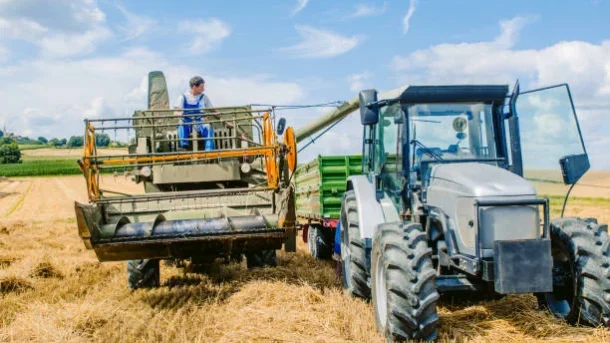
High upfront costs: Tractors, harvesters, irrigation systems, and processing machines are just a few examples of the agricultural machinery and equipment that frequently have high upfront costs. These equipment purchases often involve a sizable capital expenditure, which may be out of reach for small-scale and resource-constrained farmers. The expense of purchasing new equipment might restrict access and impede agricultural technology growth.

Financing options are scarce for farmers, who frequently cannot afford to finance the purchase of agricultural equipment. Due to perceived hazards connected with agriculture, such as erratic weather and market uncertainties, banks and other financial institutions may be reluctant to offer loans or credit facilities for machinery. Because of their limited financial options, farmers find it challenging to purchase the machinery they require.

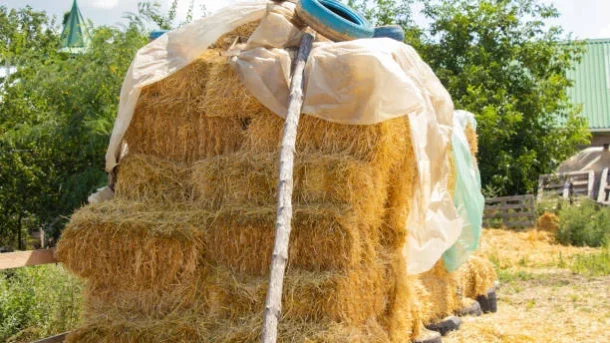
Infrastructure and logistics: The movement and storage of agricultural machinery and equipment can be hampered by inadequate infrastructure, such as inadequate road systems or a lack of storage facilities. Particularly during off-seasons or when they are not in use, farmers may experience challenges transporting the machinery to their farms or properly storing it.

Market fragmentation: In some areas, there may be a large number of brands, models, and suppliers in the market for agricultural machinery and equipment. Farmers may find it difficult to locate dependable and appropriate machinery solutions due to misunderstanding and a lack of standardization.
How does the absence of effective pest and disease management strategies impact agricultural productivity?

pest and disease

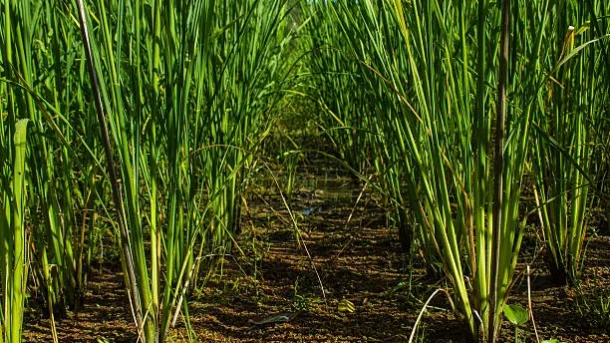
Crop losses: By destroying plants, lowering yields, and lowering the quality of agricultural products, pest and disease can result in significant crop losses. Without sound management techniques, diseases and pests can spread quickly and significantly lower crop output. As a result, farmers may suffer financial losses, food shortages, and disruptions in the flow of agricultural products.

Pests and illnesses can reduce crop quality, making agricultural produce unfit for consumption or depressing its market value. Crops that have been infested may have physical flaws, color changes, blemishes, or interior damage, which makes them less marketable and unattractive to consumers. Farmers may suffer financial losses as a result, and their access to markets with greater prices may be restricted.

Increased dependency on pesticides: Farmers may turn to excessive and careless use of chemical pesticides in the absence of efficient pest and disease management techniques. Pesticide overuse can have detrimental effects on the environment, creatures that are not intended targets, the development of pesticide resistance in pests, and the health of humans. Additionally, it may raise farmers’ production costs and reduce their profitability.

Reduced resistance to climate change: The dynamics of pests and diseases can change as a result of climate change, encouraging the spread of some pests or introducing new pests and diseases into agricultural systems. Crops are more susceptible to the effects of climate change as a result of poor pest and disease management, which also hinders their capacity to adapt to and endure changing weather circumstances. The livelihoods of farmers as well as agricultural productivity may be further threatened.

How does the lack of research and development investments hinder innovation in agriculture?

research and development

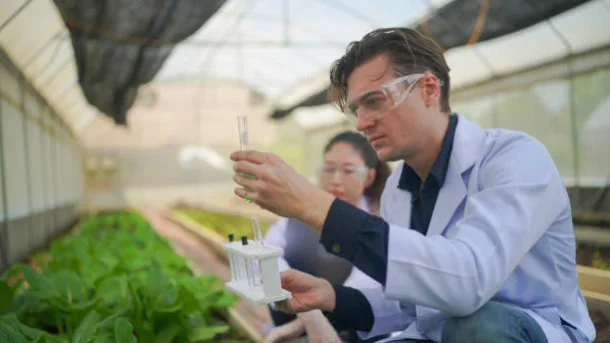
Limited technological progress: R&D expenditures are essential for advancing agriculture’s technology. These investments aid in the creation of novel crop varieties, enhanced agricultural techniques, mechanization, precision farming, and eco-friendly farming methods. Without sufficient financing for research and development R&D, technical advancement moves more slowly, making it harder to access cutting-edge equipment and methods that could boost agricultural output, sustainability, and resilience.

Inadequate responses to new problems: Agriculture has several difficulties, such as pests and illnesses, soil deterioration, water scarcity, and shifting consumer needs. Investments in research and development R&D are required to address these issues by creating cutting-edge technology and solutions. Research into climate-resilient crops, sustainable production methods, precision agricultural technologies, and other farming aids is lacking due to a lack of financing.

Limited adoption and knowledge transfer: R&D investments not only produce new knowledge and technology but also make it easier for people to use and accept them. research and development R&D initiatives offer advice, best practices, and extension services based on evidence to assist farmers in understanding and utilizing novel ways. The dissemination of new technology and techniques to farmers is hampered by a knowledge transfer gap caused by insufficient R&D investments. Due to slower adoption rates, innovations’ potential effects on farm productivity and sustainability are constrained.

Inadequate capacity building and human capital development: R&D investments help the agricultural sector increase capacity and develop human capital. The training of scientists, researchers, technicians, and extension personnel who may promote innovation and information dissemination is supported by these investments. Lack of R&D funding decreases.

What are the issues related to gender inequality and women’s empowerment in the agriculture sector?

women

Access to resources is restricted for women frequently, including to land, loans, inputs, and technologies. Women’s access to land ownership and control can be limited by discriminatory societal norms and legislative restrictions, which makes it harder for them to finance and profit from agricultural endeavors. Women’s ability to grow their agricultural businesses or embrace contemporary farming methods is further hampered by their limited access to credit and financial services.

Unfair participation and decision-making: Women frequently have little voice in policy, community, and farm decision-making. Women are restricted by conventional gender roles and stereotypes to performing mostly unpaid domestic and caregiving duties, while men predominate in making decisions about farming, marketing, and resource allocation. Women’s views and perspectives are being marginalized, which reduces their influence on agricultural policies.

Unfair access to education and training: Women frequently have lower levels of education and training than men, especially in rural areas. This restricts their access to technical education, contemporary farming methods expertise, and agricultural extension services. As a result, women may rely on conventional farming practices that are less productive, which lowers production and decreases resilience to problems like climate change.

Unpaid and undervalued labor: Women’s contributions to agriculture, such as their unpaid domestic and agricultural work, are sometimes overlooked and underappreciated. Women perform a variety of responsibilities in agriculture, including planting, weeding, harvesting, and post-harvest work, yet their work is sometimes overlooked in official statistics and in agricultural policies and initiatives. This lack of visibility strengthens the undervaluation of women’s contributions and gender inequality.

What are the challenges faced by farmers in adapting to new market demands and consumer preferences?

consumer

Gaps in information and expertise: Farmers may lack timely and accurate understanding of new market trends, consumer tastes, and shifting demands. For manufacturing techniques to be in line with consumer needs and market dynamics, consumer behavior and market dynamics must be understood. Farmers may find it difficult to make well-informed decisions and change their farming operations without access to market data and customer insights.

Cost and investment factors: Adapting to new market needs frequently necessitates investments in equipment, technology, infrastructure, and training. Farmers, especially small-scale farmers with limited access to resources and finance, may encounter financial challenges when making these investments. Farmers may find it difficult to adapt to changing market needs due to the expense of switching to new production techniques, certifications, or value-added processes.

Access to distribution networks and market channels is necessary for farmers to reach consumers with their products. However, getting access to these channels can be difficult, especially for small-scale farmers who might run into difficulties with logistics, market access, transportation, and storage. Farmers may find it difficult to build direct contacts with merchants, satisfy demanding packaging and quality standards, or meet certification requirements imposed by specific market segments.

Gaps in technical knowledge and skill: Meeting new market demands frequently necessitates picking up new technical know-how and abilities. Farmers might need to learn about value-added processing processes, sustainable production strategies, or organic agricultural methods, for instance. Farmers’ capacity to get the requisite abilities and knowledge can be hampered by a lack of training, extension programs, or access to professional guidance.

How does the limited access to agricultural insurance and risk management tools impact farmers’ sustainability?

risk management

Increased susceptibility to risks associated with the environment and weather: Agriculture is extremely vulnerable to climate change, harsh weather conditions, and natural disasters. Farmers are responsible for the whole financial cost of any losses brought on by these risks if they lack access to agricultural insurance and risk management solutions. As a result, farmers may find it difficult to recover from crop failures, property damage, or livestock losses, which could exacerbate their susceptibility. The inability of farmers to adjust to changing climatic conditions can be hampered by the lack of financial protection against hazards associated to climate change.

Insufficient funds to invest in productivity-boosting measures: Tools for risk management and agricultural insurance offer a safety net that enables farmers to take reasonable risks and engage in productivity-boosting initiatives. Farmers who have limited access to insurance might be unwilling to

Agricultural insurance can be used as a risk-mitigation tool, boosting farmers’ creditworthiness and simplifying access to financial services. Farmers who are insured are more likely to be approved for loans and credit since they give lenders some assurance that there won’t be any unexpected losses. Without access to agricultural insurance, farmers could find it difficult to obtain finance, which would limit their capacity to invest in the farm supplies, machinery, facilities, and other essential resources required for sustainable agricultural operations.

Limited adoption of new and sustainable practices: Farmers may be encouraged to embrace innovative and sustainable practices via agricultural insurance and risk management systems. For instance, insurance products that provide premium reductions for implementing conservation or climate-smart agriculture techniques can motivate farmers to switch to more sustainable farming practices.

What are the problems caused by land fragmentation and small landholdings in the agricultural sector?

small landholdings

Reduced economies of scale: It might be difficult for small landholdings to achieve economies of scale. Small-scale and dispersed farmers may find it difficult to take advantage of technology, contemporary farming methods, and effective resource management. Small-scale farmers may find it financially difficult to implement sophisticated agricultural technology due to the high cost of machinery and equipment relative to the area of the field, which can lead to reduced production and restricted profitability.

Small landholdings may make it more difficult for farmers to get finance and resources. Small landholdings are frequently viewed by financial institutions as higher-risk collateral, making it difficult for small-scale farmers to get loans or use financial services. As a result, they are less able to spend money on things like high-quality seeds, fertilizer, irrigation systems, and machinery.

Fragmented land management and inefficiencies: Implementing cohesive and coordinated farming plans can be difficult as a result of fragmented land management techniques. Small landholdings may be administered by a number of owners or inheritors, leading to conflicting interests, divided decision-making, and challenges in putting long-term land management plans into action. This may result in inefficient use of resources, productivity inefficiencies, and difficulties implementing sustainable and comprehensive land management techniques.

Low resilience and limited crop diversification: Farmers’ capacity to expand their agricultural operations is frequently constrained by small landholdings. Farmers may be forced to concentrate on a small number of crops or practice subsistence farming due to the restricted land available, which restricts their capacity to seize market opportunities or adapt to shifting market demands.

How does the lack of infrastructure for rural electrification hinder technological advancements in agriculture?

electrification

Limited access to power-driven agricultural machinery and equipment: Tractors, irrigation systems, threshers, and grain mills all require electricity to operate. Farmers sometimes rely on manual labor or out-of-date, ineffective tools and equipment in rural areas without electrification. Their capacity to embrace cutting-edge technologies that can considerably increase productivity, efficiency, and profitability in agriculture is limited by the lack of electricity.

Limitations on irrigation systems: In order to operate irrigation systems, including pumps and water distribution networks, electricity is required. Farmers may encounter difficulties getting access to dependable and reasonably priced power for their irrigation needs in areas lacking rural electrification. This may make it more difficult for them to effectively irrigate crops, which could lead to a shortage of water, lower crop yields, and increased vulnerability to droughts.

Post-harvest losses in agriculture can be substantial, and it’s important to utilize the right handling, storage, and processing methods to reduce these losses. But a lot of post-harvest innovations, such cold storage facilities, machinery for processing, and drying systems, need electricity to work properly. Without rural electricity, farmers might not have the infrastructure to implement these technologies, which would result in higher post-harvest losses and lower-quality agricultural output.

Information and communication technologies (ICT) have limited access because they require electricity in order to be accessed and used in agriculture. ICT resources, like computers, internet access, and mobile applications, can give farmers useful knowledge about weather forecasts, market prices, pest control, and farming practices.

What are the issues related to food safety and quality standards in the agricultural sector?

quality

Food product contamination: During different stages of the production process, such as on-farm practices, processing, shipping, and storage, agricultural goods may get contaminated. Pathogens, insecticides, heavy metals, chemical residues, and other dangerous chemicals are examples of contaminants. Food contamination can pose threats to consumer health due to improper use of pesticides, poor hygiene habits, unsuitable storage conditions, and a lack of quality control methods.

Lack of sanitation and hygiene standards: Sanitation and hygiene standards are essential for maintaining the safety of food. However, it’s possible that adequate hygiene standards are not always followed and are not widely known in many agricultural contexts, especially in small-scale or unorganized sectors. The security and quality of agricultural goods can be jeopardized by inadequate access to clean water, poor waste management practices, and a lack of sanitary facilities.

Lack of ability and knowledge: Farmers and food producers might not be familiar with or comprehend the requirements for food safety and quality. This can include appropriate handling and storage procedures, pest control techniques, labeling specifications, and adherence to legal requirements. Their capacity to create safe and high-quality agricultural goods may be hampered by a lack of training and education in this area.

Systems of insufficient quality control and supervision: In some agricultural systems, there may be a dearth of efficient systems of quality control and supervision. This may result in inconsistent product quality, a failure to adhere to food safety regulations, and challenges in recognizing and removing possible dangers. These difficulties may be exacerbated by inadequate regulatory frameworks, weak enforcement, and a lack of resources for inspection and monitoring.

How does the lack of social protection and safety nets affect farmers’ resilience to shocks and risks?

safety nets

Agriculture is vulnerable to a range of revenue shocks, including crop failures, livestock diseases, natural disasters, and market changes. Farmers lack a financial safety net to deal with these shocks since there are no social safety nets or protection in place. They could not have access to emergency cash, insurance, or other means of reducing income losses. Due to this, they are extremely exposed to economic upheaval and may fall into debt or poverty traps.

Health risks and injuries are common among farmers since they frequently labor in physically demanding and dangerous conditions. Limited access to inexpensive healthcare, medical services, and insurance coverage may result from a lack of social protection. Due to this, farmers and their families are more susceptible to health-related shocks.

Inadequate risk management: Social safety nets and insurance programs, among others, offer risk management tools that help people deal with and bounce back from shocks. Without such mechanisms, farmers could find it difficult to adequately control hazards. They might not be able to spend money on risk-reduction strategies, adopt resilient agricultural technologies, or make up losses sustained from unfavorable events. This may make it more difficult for them to recover and maintain their way of life.

Limited access to credit and financial services: Social safety nets and protection play a critical role in making credit and financial services more readily available to farmers. Farmers may have trouble accessing loans, savings options, or financial assistance during bad times if there are no such structures in place.