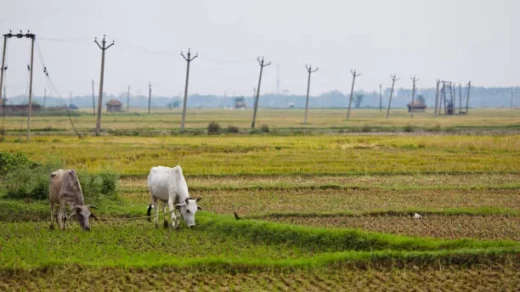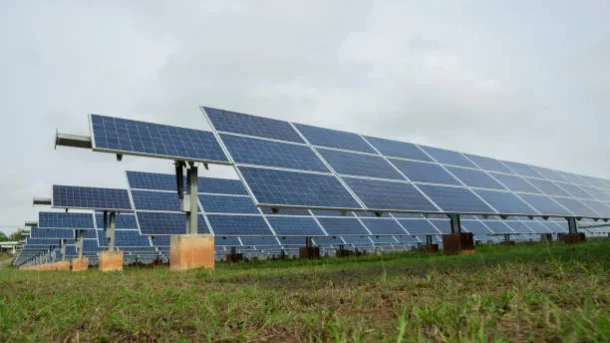
Limited access to power-driven agricultural machinery and equipment: Tractors, irrigation systems, threshers, and grain mills all require electricity to operate. Farmers sometimes rely on manual labor or out-of-date, ineffective tools and equipment in rural areas without electrification. Their capacity to embrace cutting-edge technologies that can considerably increase productivity, efficiency, and profitability in agriculture is limited by the lack of electricity.
Limitations on irrigation systems: In order to operate irrigation systems, including pumps and water distribution networks, electricity is required. Farmers may encounter difficulties getting access to dependable and reasonably priced power for their irrigation needs in areas lacking rural electrification. This may make it more difficult for them to effectively irrigate crops, which could lead to a shortage of water, lower crop yields, and increased vulnerability to droughts.
Post-harvest losses in agriculture can be substantial, and it’s important to utilize the right handling, storage, and processing methods to reduce these losses. But a lot of post-harvest innovations, such cold storage facilities, machinery for processing, and drying systems, need electricity to work properly. Without rural electricity, farmers might not have the infrastructure to implement these technologies, which would result in higher post-harvest losses and lower-quality agricultural output.
Information and communication technologies (ICT) have limited access because they require electricity in order to be accessed and used in agriculture. ICT resources, like computers, internet access, and mobile applications, can give farmers useful knowledge about weather forecasts, market prices, pest control, and farming practices.