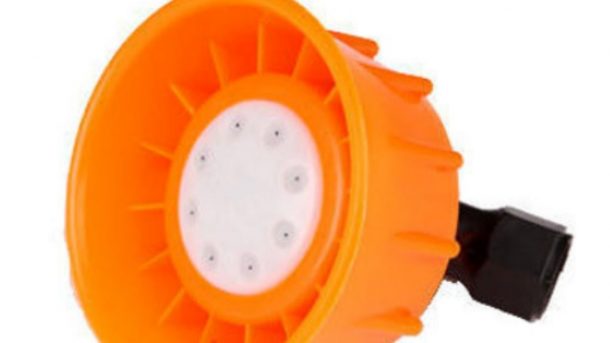
It helps in the atomization of the spray liquid into proper sized droplets. It imparts desired shape and angle of the outgoing spray, regulates the discharge of the spray liquid per unit time at a known pressure.
ScientificFarmingWeb
How long does it take to grow a date palm tree and when does it bear fruits?

Date palm tree take almost 4 to 8 years to grow after planting. Small quantities of fruits are produced after 4 years, but for commercial harvest the trees need to get to the age of 7 to 10 years.
What is Ryanodine?
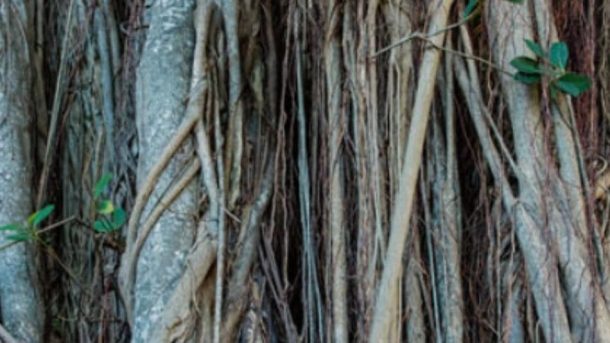
It is an alkaloid derived from ground roots and woody stems of south American shrub. It is a stomach and contact poison effective against Lepidopterous pests. It is a muscular poison and known for blocking the conversion of ADP to ATP in striated muscles. It is used as dust (20-40%).
What is seed protection?
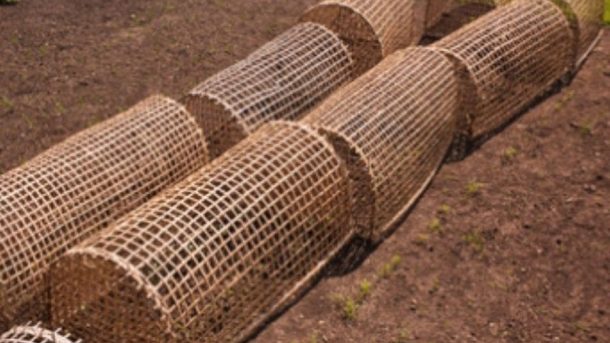
The protection of seeds from soil borne pathogens during the process of seed germination is called seed protection. Pre-emergence damping off disease in many vegetables can be controlled by seed protection. Organo-mercuric fungicides act as seed protectants.
What is Sabadilla and how it is useful?
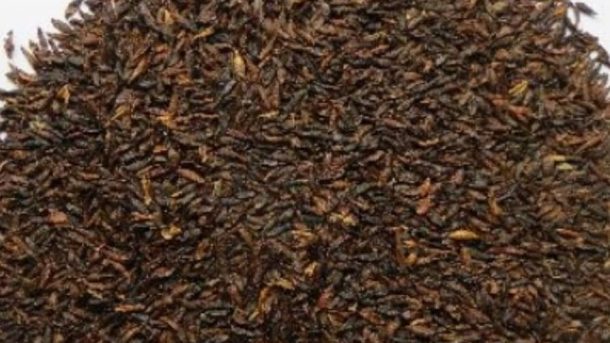
It is an alkaloid derived from the seeds of tropical lily (Schoenocaulon officinale). The alkaloids mainly cevadine and veratridine are contact poison and used for the control of houseflies and some other insects. It is harmful to pollinators i.e., honey bees.
What is seed disinfestation?

This is a kind of seed treatment used for the destruction of fungal or bacterial pathogens present on the seed surface is called seed disinfestation. The fungicide used in this process are either in powder or wettable form. Many externally seed borne diseases can be controlled by seed disinfestations.
What is seed disinfection?

This is a kind of seed treatment used for the eradication of such pathogens which are internally seed borne i.e., they are established in the seed coat or deep tissues in the seed.
Few example are Loose smut of Wheat & barley.
What is plant quarantine?
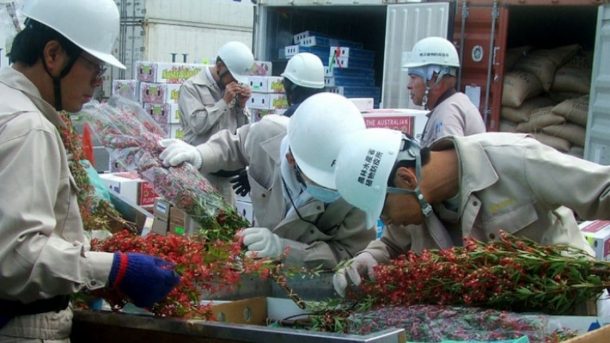
A plant quarantine can be defined as a legal restriction on the movement of agricultural commodities for the purpose of exclusion, prevention or delay in the establishment of plant pests and diseases in areas where they are not known to occur.
What is Frenching or Foliocellosis?
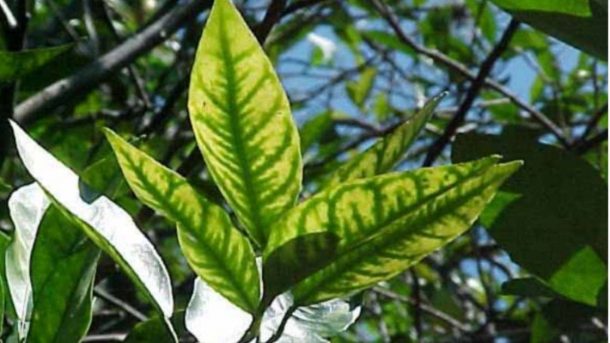
It is a disease caused due to deficiency of Zinc in fruit trees (specially belonging to citrus family) in which new leaves develop interveinal chlorosis, get reduced in size and branches are also not properly developed. The plant has a bushy appearance and the branches show die-back symptoms. It is also called leaf mottle disease.
What are the damage symptoms of yellow stem borer and how it can be managed?
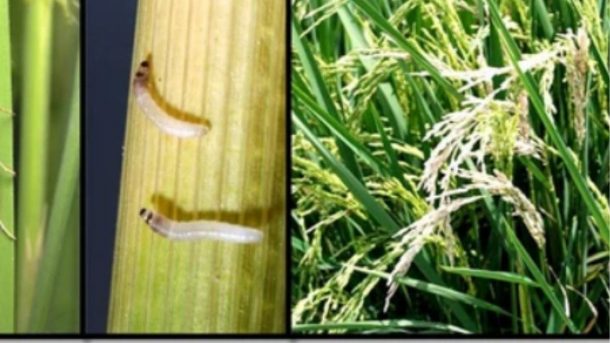
The damage is caused by caterpillars as a result ‘Dead heart’ formation takes place before flowering and after flowering ‘White Ear head’ develops. The ear heads dry up and no grain formation takes place. Basmati varieties suffer heavy damage than coarse varieties.
It can be managed by clipping of tips of seedling before transplanting, removal and destruction of stubbles at first ploughing. Fields showing more than 5 % ‘dead hearts should be sprayed with 625 ml of phosphamidon or 1.4 liters of monocrotophos or 2.5 liters of chlorpyriphos.