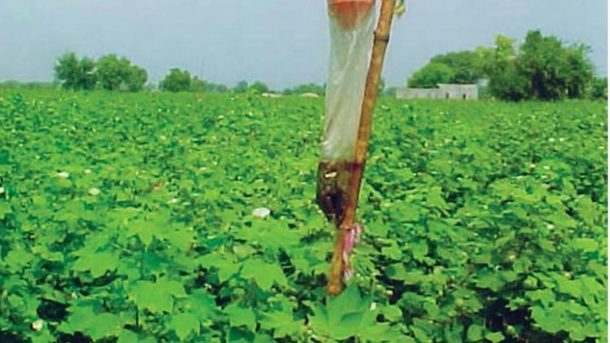
Pest surveillance is the fundamental tool in IPM for taking management decisions. It requires estimation of changes in the pest distribution and their abundance information about the life history of pests and influence of natural enemies and the effect of climatic factors on pest populations.
ScientificFarmingWeb
What feed is given to the farmed shrimp?
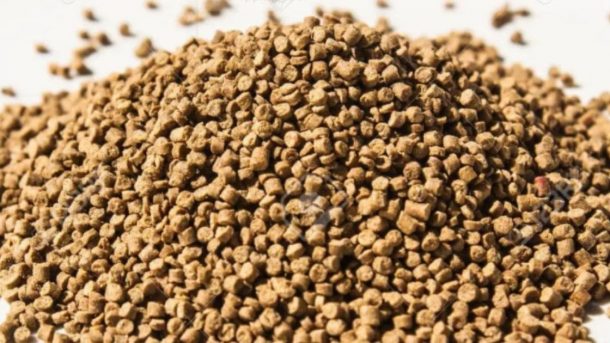
Feed for the shrimp should contain a minimum recommended protein content of 32-45%. The percentage of feed depends on the size of shrimp. The diet should include protein, lipid, carbohydrates, vitamins, minerals etc
What is corm rot and how it is treated?

There are many reasons for low corm production, but one of the main reasons for stabilized saffron production is corm rot complex caused because of many soil borne pathogens like Fusarium oxysporum, Rhizoctonia crocorum etc. the disease is identified by the yellowing of leaves, wilting, round spots on the corm, leaf dropping and converting corms into black powdery mass. The disease of corm rot can be managed with chemical fungicides like carbendazim or mancozeb etc. Soil solarization and other biological methods are also used for treating the soil and corms before planting.
How should the fertilizer be applied to the saffron plants?

The inorganic fertilizers should be applied as a band around the plants. Initially, half the quantities of nitrogen, phosphorous, potassium, vermicomposting and FYM are applied as basal dose after second hoeing for the first crop. Another half dose of nitrogen fertilizer is applied after the onset of flowering.
Which type of soil is good for saffron cultivation?

Saffron needs well drained soil with good organic content. Soil with neutral clay content or silty soil is considered good for saffron farming. The pH level of the soil should be around 6 to 8. Too much clay is not needed by the plants and should be improved by adding soil, peat or compost.
How is saffron harvested?
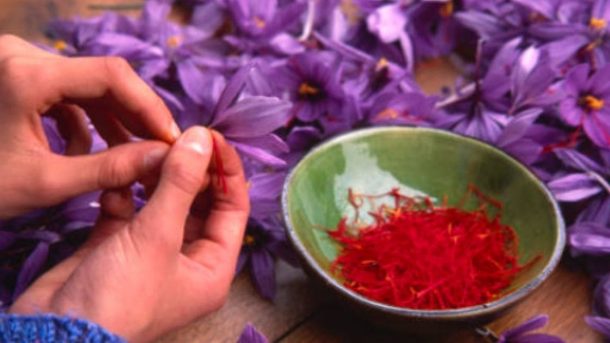
6-8 weeks after planting the corms, the plants are ready for harvest. It is believed that each corm produces 1 flower and 3 stigmas. The flower should be picked when they open completely. Harvesting should be done during the mid-day of a bright sunny day. Manual picking is the most common way of harvesting these flowers. All the flowers are collected and piled on a table and then the stigma is removed from the flowers for further processing.
In which places saffron is grown and which country is the largest producer?
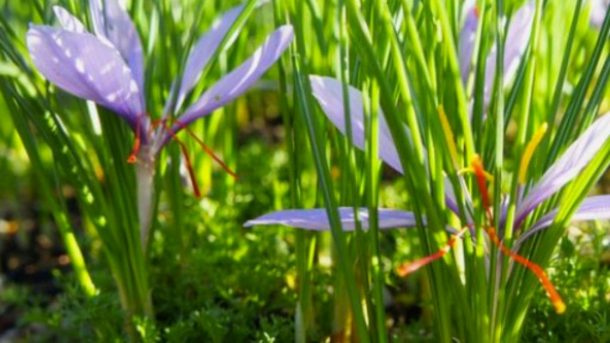
Saffron is considered as an autumn flowering plant, perennial in nature. The eastern Mediterranean climate is believed to be the best for growing saffron because this plant descends from that place. Other places which are suitable for saffron cultivation are Eurasia, Iran, Spain, India and Greece. Iran is considered to be the largest producer of saffron in the world accounting to 94 % of the total production.
How long do dragon fruit seeds take to germinate?

The dragon fruit which is propagated through seeds takes approximately about 1-4 weeks for the seeds to germinate, but they can be made to germinate even faster. The seeds that are obtained from within the fruit should be washed thoroughly with water so that there is no flesh attached to them and are left to dry overnight. Planting the seeds in a tray, close to the upper surface of the soil, and covering the tray with a plastic cover to help germinate the seeds within 10 or 15 days.
What is the finest soil for jackfruit?
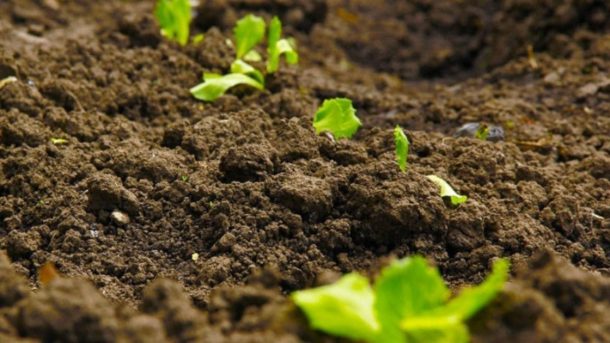
Alluvial soils with a deep and open texture are ideal for growing jackfruit. However, because of the greater range of conditions it may be grown in, it can be cultivated in a variety of soils as long as they are well drained.
Is it possible to grow jackfruit in black soil?
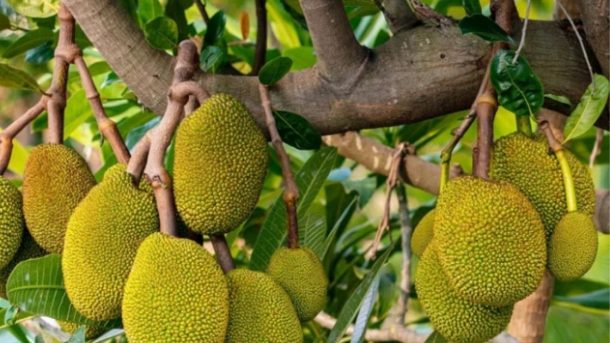
Although, jackfruit can be cultivated in a range of soils, it thrives in a rich, deep, alluvial and well drained environment. If sufficient nutrients are available, it can grow in open grained or lateritic soil. It thrives in a warm, humid climate up to 1500 meters above sea level.