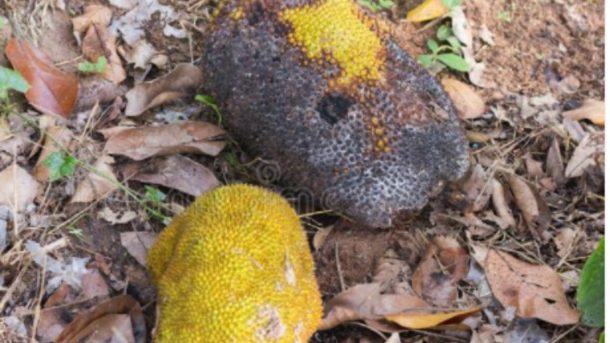
Pruning the tree will allow for better ventilation and a reduction in relative humidity in the canopy. Remove sick fruit from trees from the ground and destroy it. Remove decaying organic debris from the tree and the area around it. Make sure there is no water ponding around the tree’s root zone.
ScientificFarmingWeb
What is the best way to fertilize a bay leaf tree?
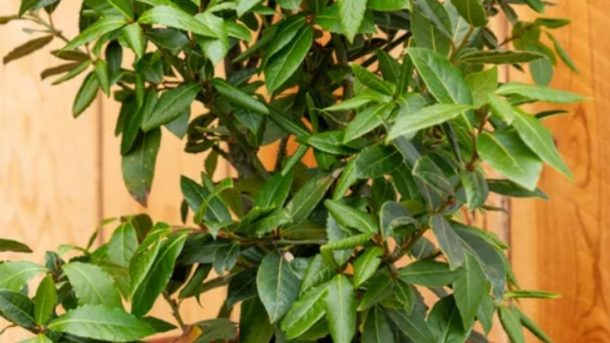
For a bay laurel growing in the ground, use a 24-8-16 fertilizer diluted at a rate of 1 tablespoon per 1 gallon of water, ½ tea spoon per 1 gallon of water for a aby laurel in a container, or the levels indicated in the fertilizer manufacturers instructions.
When is the best time to pick bay leaves?

Bay leaves can be gathered at any time during the growing season, but the best time to harvest a bunch at once is around mid-summer when the leaves are at their most flavorful in terms of essential oils. Harvest huge, undamaged bay leaves by hand picking or snipping them off.
Which species are best for Bio floc fish farming?
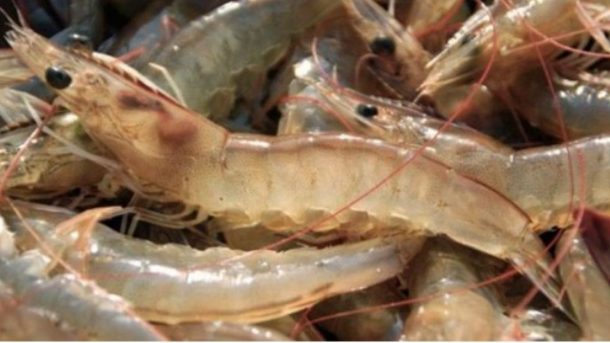
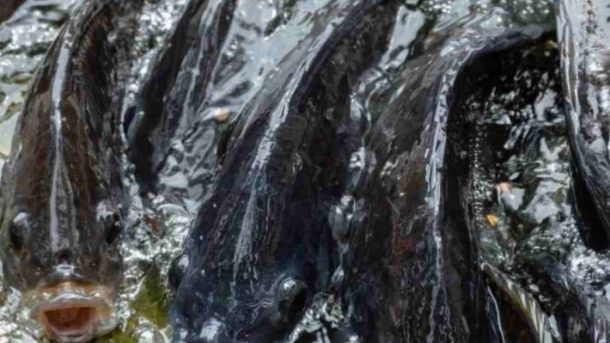
Bio floc systems work best with species that are able to derive nutritional benefit from the direct consumption of floc. Bio floc systems are most suitable for species that can tolerate high solids concentration in water and are generally tolerant of poor water quality. Almost all Bio floc systems are used to grow shrimp, tilapia or carps. Some of the species like hybrid stripes bass and channel catfish are main examples of fish that are not suitable for Bio floc systems as they do not tolerate water with high solids concentrations and they do not have adaptations to filter solids from water.
How Biofloc is useful in fish farming?

In the aquaculture system, the strong influential factors are the feed cost and the limiting factors is the water or land availability and high stocking density and rearing of aquatic animals require wastewater treatment.
The problem of extensive fish culture in ponds is to keep the water quality and before bioflocs way was to recycle 10 % of the water frequently. But in some places, Water is not present in abundance and replacing the old water with a new one disturbs the growth of fish. So, Biofloc came to solve all these difficulties.
What is the principle of Biofloc fish farming?

Biofloc technology is not only effective in treating the waste but grants nutrition to the aquatic animal. The higher C:N ratio is maintained through the addition of carbohydrates source and the water quality is improved through the production of high-quality single-cell microbial protein. In such conditions, dense microorganisms develop and function as bioreactors controlling water quality and protein food sources. Immobilization of toxic nitrogen species occurs rapidly in Biofloc because the growth rate and microbial production per unit substrate of heterotrophs are ten times greater than that of the autotrophic nitrifying bacteria. This Biofloc technology is based on the principle of flocculation within the system.
How are the fisheries resources in Gujarat?
Gujarat is the top position in the fisheries sector and then it covers 1/5th part of India along the coast as well as it is exclusive economic zone. It mainly contributes about 20 % of total marine production. It has a long coastline extending to 1600 km accounts for 19.70% of the total coastline of the country. It has a continental shelf area of 0.18 million Sq.km, an Exclusive Economic Zone (EEZ) of 0.214 sq., which occupies 32% of the continental shelf area and 10% of the total Exclusive Economic Zone.
The fisheries resources of Gujarat include Elasmobranchs, Bombay ducks, Sciaenids, Shrimps, Seer fishes, Tunas, Catfishes, Lizard fishes, Threadfin Breams, Pomfrets, Bull’s eyes, Carangids, Anchovies, Ribbon fishes, Croakers, Prawns, Lobsters, and Cephalopods.
When and how to harvest dwarf banana?
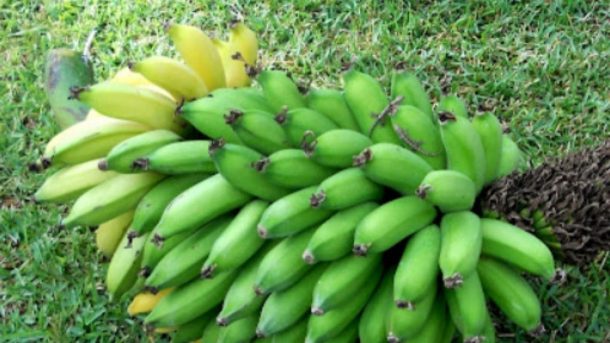
Dwarf banana varieties commence flowering in about 9 months after planting and the fruits take about 3 month more to mature whereas, tall varieties take about 12 months for flowering after planting. Then, the bunch is harvested just before it attains the ripening stage. The dwarf bananas become ready for harvest within 11 to 14 months after the planting process.
What is the spacing requirement for High density coconut plantation?

The coconut growers wishing to maximize pasture growth as well as yields of copra must use the least number of palms per hectare required to realize this goal. For tall coconut varieties recommended spacing about 7 ×7 m to 9.1×9.1 m and palm densities from 120 to 200 trees per hectare. Where pastures are established under palms at closer spacing and higher densities then light transmission values will be lower.
What is the yield and profit in high density coconut plantation?

The yield of Coconut palms depends on different factors like the selected variety, soil type, irrigation facility, application of manure and fertilizers during the cultivation.
The high-density systems have given a high yield per unit area as well as high net profit in a 15-year-old plantation. In coconut cultivation, the high-density systems give a high yield as well as higher net profit. Though, the profit margin between the standard coconut density 64 palms/acre and the higher density coconut planting 97 palms/acre is Rs 673/- taking into account the cost of fertilizer, its application cost and packing charges.