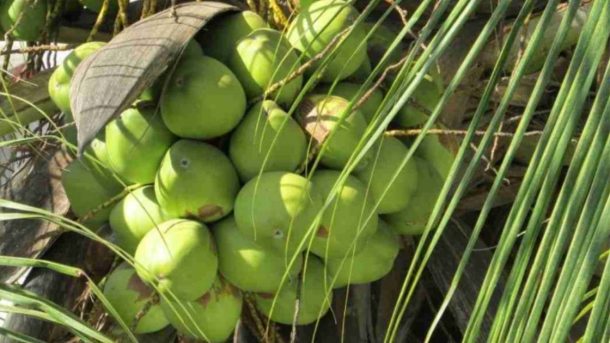
Coconuts take around 1 year to ripen fully. If you want to harvest the fruit for the coconut water, the fruit is ready 6 to 7 months after emergence. Coconut trees are productive throughout the year. However, the yield may change from season to season. Though, due to practical economic reasons, harvesting for copra production usually takes place every 45 to 90 days. Usually, harvesting must be done at their tender age for water purposes. Also, the harvesting frequency depends on the palms yield.
ScientificFarmingWeb
How to keep monkeys away from fruits, vegetables by cultivating medicinal and aromatic plants?

Farmers can now check the losses caused by these primates on fields by adopting farming of Medicinal and aromatic plants in areas affected. Many types of medicinal plants including Sarpagandha, Ashwagandha, Brahmi, Kaleigh, Shatavari, Tulsi, Aloe vera are not liked by monkeys and the major benefit of practicing farming of herbal plants is that monkeys do not eat them.
In addition, it also increases the productivity of the soil which increases the yield of the next crop on this land. Herbal plants are used for preparing medicines, so there is already an established market for their production. Similarly, aromatic plants such as Lavender, Citronella, Geranium, Palma Rosa etc., can also be grown to protect against this danger.
Do bay leaves require direct sunlight?
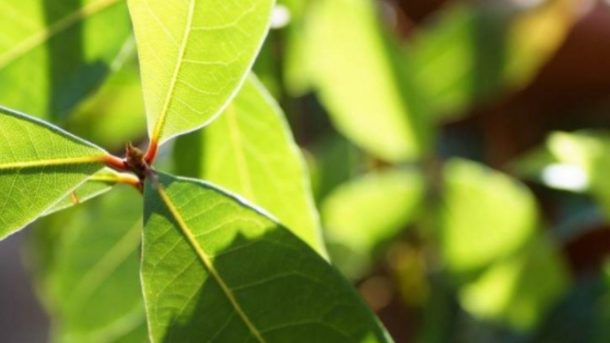
Young bay plants should be planted in the spring after all dangers of frost have passes, allowing the plants to establish themselves before the summer. Choose a shady place in full sun that is protected from severe gusts.
What is the reason for bay leaves turning into yellow?

A nutritional deficit might be indicated by yellowing bay leaves. When soil is extremely alkaline or there is root injury, iron chlorosis might develop. Bay leaves may turn yellow at the edges first, While the veins remain green if you have this condition. Sulphur or peat moss can be used to adjust the pH.
When harvesting of carrot is done and what are the maturity symptoms?
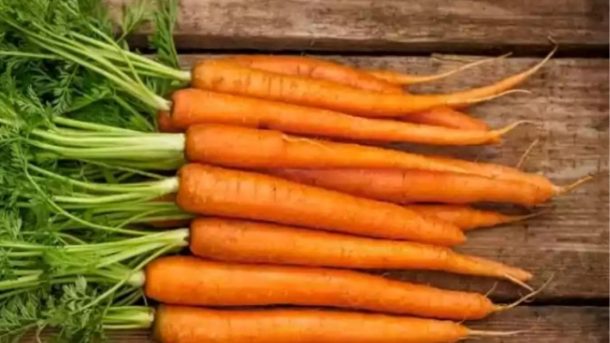
The harvest is obtained depending on the variety of carrot sown. If local varieties are being sown in August – September, then they can be harvested during December-February. For European varieties sown in October- November, harvesting can be done in February-may. The carrots are ready for harvest when the diameters of the carrot shoulder have reached at least half to three-fourth inch.
How do you prepare the soil for growing carrots?
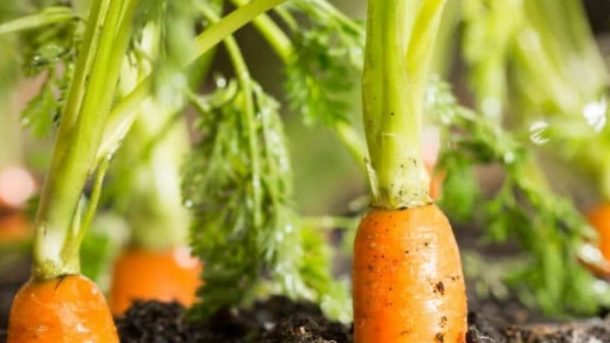
Simple method to prepare the soil for growing healthy carrot is:
Create a deep soil bed with a depth of 10-12 inches. Fertilize the soil with phosphorus. Balance the pH of the soil (6.2-6.8). Keep the soil moist enough for the plants to perform better. Cover the exposed part of the carrots with mound soil or mulch. Treat the soil with recommended fungicides to avoid the occurrence of soil pests.
What is Biofloc technology?

Biofloc farming technology is a system to remove waste from water. It was previously used to treat water coming into a farm and it is done so that no disease gets transferred. This system uses a set of bacteria that are good bacteria. These are probiotics and kill harmful bacteria. Thus, maintaining the water quality. They have the capability to convert the nitrogen in the water, into proteins. Then, Biofloc fish farming in India is getting popular day by day. Biofloc fish farming is a wastewater treatment that has gained vital importance as an approach in aquaculture.
What should be the quality of water for shrimp farming?
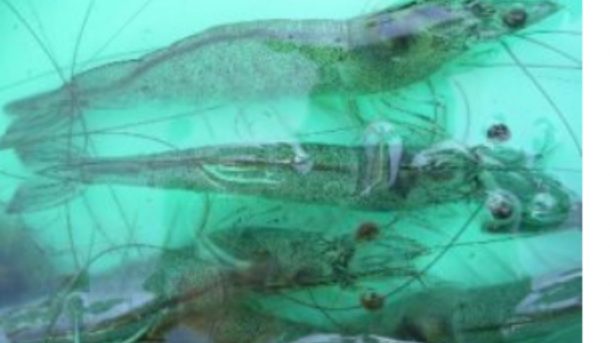
Shrimp farming needs best quality water in terms of oxygen levels. The pond or tank in which shrimp are farmed should be aerated 24 hours a day,7 days a week. The other parameters of water that are equally important are temperature, pH, alkalinity, hardness etc. The pH of the water should always be less than 10 because beyond this level it causes mortality.
What feed is given to the farmed shrimp?

Feed for the shrimp should contain a minimum recommended protein content of 32-45%. The percentage of feed depends on the size of shrimp. The diet should include protein, lipid, carbohydrates, vitamins, minerals etc.
Which are essential elements in Coconut nutrition?
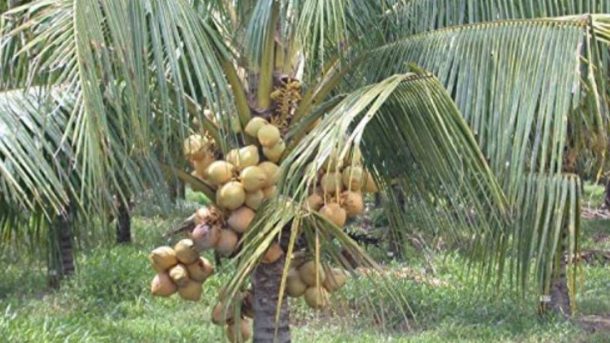
Among the basic nutrients, potash (K) is the most important in coconut cultivation, followed by nitrogen. There is a general reaction to the application of K and N; whereas the reaction of phosphorus is observed only in certain limited and local conditions. In secondary nutrients, magnesium and chlorine have beneficial effects, followed by calcium, sulphur and sodium. In micronutrients, Zinc and boron and manganese are required under some limited conditions.