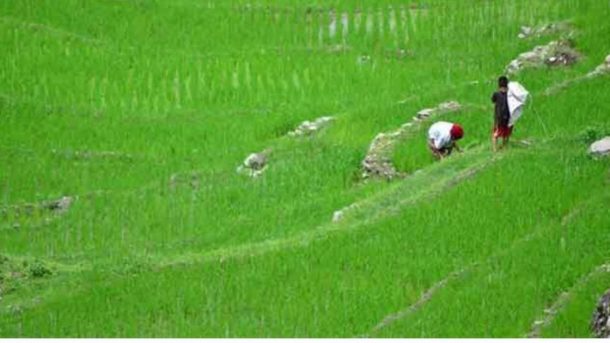
Basically, there are ten types of alternative farming techniques. They are Organic farming, Biodynamic farming, No tillage farming, Urban and Peri-urban Farming, Natural farming, Eco-farming, Permaculture, Polyculture, Integrated farming system and Floating Farming.
ScientificFarmingWeb
What is a silo?

The tall, cylinder-shaped farm structures known as silos are used to store silage, which is animal feed. Silage is moist feed made from green crops that ferment when stored in an airtight place. This fermentation process preserves the feed, which is used along with or instead of hay (dried grasses) to feed livestock (horses, cattle, sheep) during the winter when they cannot feed in green pastures. Silage gives farm animals needed nutrients. Before farmers started to raise food crops to feed their livestock (during the 18th century), they had to kill most of their animals when winter approached, because grass in pasturelands stopped growing and the animal’s faced starvation. But herds of livestock could be kept year-round once farmers began to grow crops for winter feed. Root crops like turnips, as well as leafy crops, were sometimes used. Today, corn is the crop most often used for silage.
What is the climate required for walnut farming?
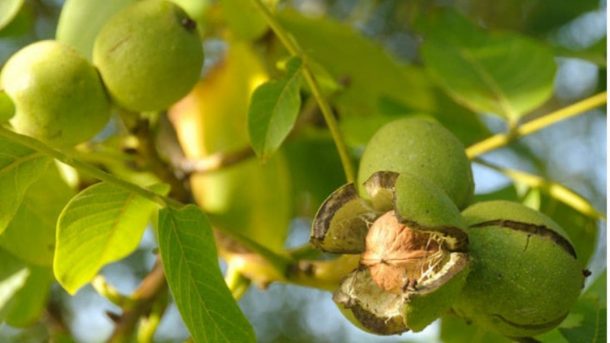
Walnuts usually grow well in cool climatic conditions. Frost conditions during spring may not suitable for walnut growth. They also do not prefer hot summer areas. An evenly distributed annual rainfall of 800 mm is suitable for its optimum growth and yield. Temperature above 38° C results in sun burning of hulls and shrivelled kernels and impacts the yields severely.
Why splitting occurs in red cabbage and how to overcome with it?

This is one of the major problems that you will face while growing red cabbage. Splitting is more common in quick -growing and early-season plant varieties. Some reasons for red cabbage would split are overwatering, heavy rains and drought etc. You can avoid cabbage head-splitting by providing mulch to your plants which will retain moisture in the soil.
What is windrow composting process and how it works?

Windrow composting is the most common process of composting in India. It mainly involves the stabilization of organic solid waste through aerobic decomposition. This process facilities can efficiently handle large quantities of waste in comparison to vermicomposting. It is a process for bio-degrading’s organic material aerobically. This method produces heat that destroys pathogens and also produces a stabilized compost product for use as mulch, coil conditioner and top soil additive. Then, the organic material is left to decompose outdoors, aided only by watering and mechanical turning for aeration. This process is simple, non-intensive has a very low capital cost, and is used by farmers, municipalities and waste processing corporations. It is the slowest large-scale process used to produce compost. Windrow composting process can be used to process yard waste, food, paper and sewage sludge.
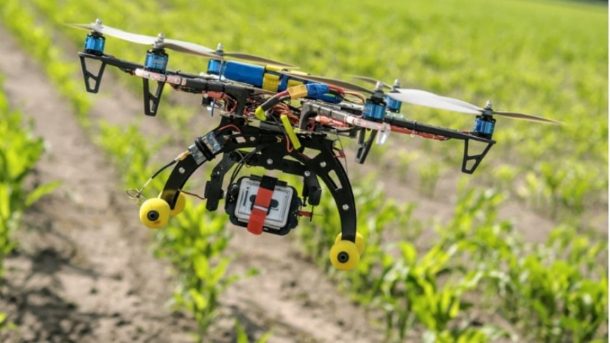
How drones are useful in Indian agriculture?

Drones can assist farmers in optimizing the use of inputs (seed, fertilizers, and water), responding more quickly to threats (weeds, pests, and fungi), saving time crop scouting (validating treatment/actions taken), improving variable-rate prescriptions in real-time, and estimating yield from a field.
The government has issued standard operating procedures (SOP) for the use of drones to spray pesticides on agricultural crops, a step that industry association CropLife India applauded on Thursday. Certain restrictions will apply to the use of drones for aerial pesticide spraying.
How much quantity of fertilizer and nutrients are required for kiwi plants?
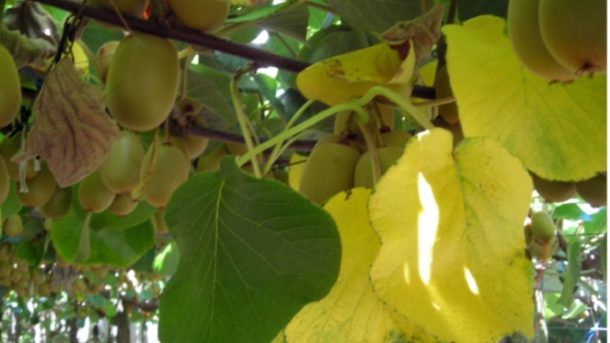
A fertilizer dose of 20 kg FYM, 0.5 kg NPK mixture containing 15% N is recommended for application every year. After 5 years of age, 850-900g N, 500-600g P and 800-900 g K and farm yard manure should be applied every year.
Kiwi required high chlorine because its deficiency adversely affects the growth of shoot and roots. In contrast, excess levels of Boron and sodium are harmful. The N fertilizer should be applied in two equal doses, half to in January- February and the rest after fruit set in April-May. In young vines, the fertilizer is mixed in the soil within the periphery of the vine, and for the matured vine should broadcast evenly over the entire soil surface.
What is rooftop farming?

Rooftop farming is a top trend in urban agriculture. This method makes careful use of an urban space that is generally unused and its positive environmental effects are appreciated. Roof farms provide additional insulation for building, maintaining low temperatures in summer and warmth in winter. Due to declining agricultural land, roof farming can be a viable option for urban agriculture, especially in Indian cities. Roof farming is gaining popularity in urban areas as it is easy to handle, economical and has a range of health and environmental benefits. It makes the city greener, simplifies waste management, improves air quality and provides unadulterated, fresh and nutritious food products. Roof gardens provide nutritious food throughout the year, which is enough for both high-income and low-income households. A wide range of fruits and vegetables such as Spinach, Cucumber, Cabbage, Tomato, Garlic, Onion, Guava, Strawberry, Herbs can be grown on rooftops.
How digital innovation in Agriculture works?
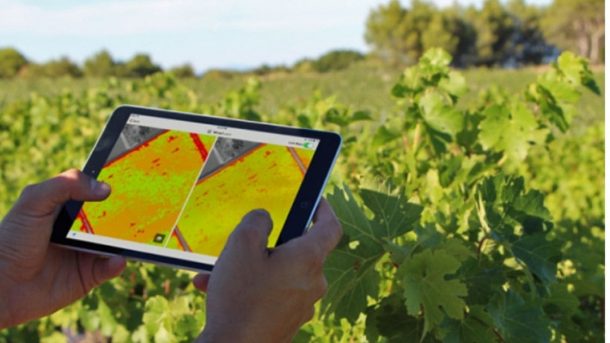
Digital technologies are used to improve agricultural outcomes and some examples are data science, digital communication channels, automation and sensors. Digital farming provides insights to farmers so that they can make decisions that will improve productivity. The farmers receive the data, by this it helps them to decide how to use it to best fit for their farm. An important advantage is that the data can be shared with other experts in the agro-industry including agronomists, Agri experts and other farmworkers, who form an integrated and strong collaboration. Digital agriculture has the power to change the lives of small farmers around the world. Digital solutions can help farmers access the best information, adopt the most efficient farming methods, improve the quality of their products and connect with the right buyer to maximize their income.
What is the role and benefits of Artificial intelligence in Agriculture?
In the agricultural sector, it is playing a very important role, and it is transforming the agro-industry. Artificial Intelligence protect the agricultural sector from various factors such as climate change, population growth, employment issues and food security. It also helps in controlling pests, producing healthy crops, monitoring soil and growing conditions, managing data for farmers, assisting with workloads and the entire food supply chain.
With a growing global population and scarcity of resources, there are challenges to sustainable food production. Technological advances, especially artificial intelligence can help to make the whole food production process more efficient and improve the sustainability of agricultural techniques. The benefits of Using this technology can helps in automatic weeding and harvesting, Plant disease detection, improving soil health monitoring, more efficient irrigation of farmland, application of pesticides and herbicides.