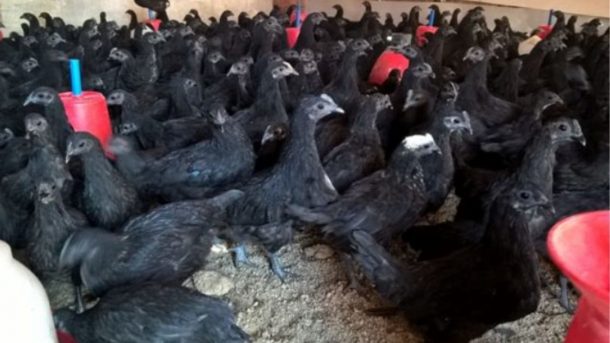
Kadaknath is one of the rarest poultry breeds of India which is native to Jhabua district of Madhya Pradesh. This breed is popular for its black meat and known as BMC (black meat chicken). It is famous for its meat quality, texture and taste. The demand for kadaknath chicken is growing day by day and spread across most of the Indian states due to their excellent medicinal values. Especially these birds bear great medicinal value in homeopathy and useful in treating a particular nervous disorder. Kadaknath chicken meat is in black colour and eggs are in brown colour. The new kadaknath production technology has reduced the mortality rate from greater than 50%. Now one can expect 10 to 12% of mortality, this enhanced the survival percentage and overall profits in kadaknath chicken farming.
ScientificFarmingWeb
How Sugar Shake Test helps to detect varroa mite in honey bee?

Varroa mite is a serious, exotic parasite of adult European honey bees and their brood. The mite occurs in beekeeping countries throughout the world but has not been detected in Australia. There are several surveillance projects for early detection of an incursion of varroa at and near shipping ports.
Beekeepers are encouraged to test their own hives for varroa using the simple sugar shake (or roll) test. When varroa mites are dusted with pure icing sugar, the fine granules stick to their feet and they can no longer grip the surface they are clinging to. The dusting of adult bees with icing sugar causes mites to fall off the bee into the white sugar where they are more easily seen. This simple sugar shake detection method is now used by many beekeepers throughout the world.
What are the advantages of paddy fish integrated farming system?
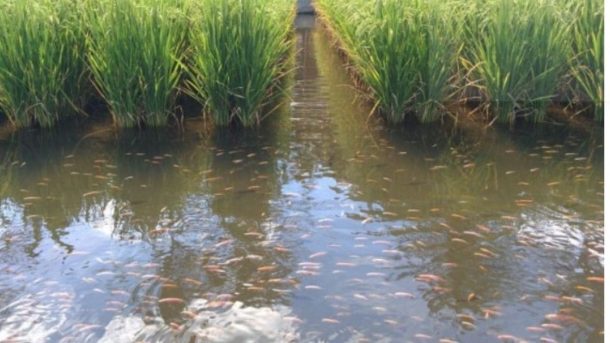
Paddy cum fish culture helps in the economic utilization of land. It helps to improve soil fertility & soil health. Enhanced rice yield by 5-15%, which is due to the indirect organic fertilization through the fish excreta.
Production of fish from paddy field which is the other way of additional income. Insect pests of rice like stem borers are controlled by fish feeding on them mainly by murrel and catfishes.
Cost of production will get decreased due to less usage of fertilizers and pesticides.
What is the invasive pest in chilli affecting the crop?

Thrips Parvispinus, an invasive insect from Indonesia first seen in 2015, has spread rapidly, affecting chilli crop in nearly 9 lakh acres in Telangana and Andhra Pradesh. All the places where chilli is grown is infested by this species. The infestation is so severe that we found 20-25 insects on each bud or flower.
“Due to excessive use of pesticides, the insect has developed resistance. It has spread to vegetable crops, including drumstick trees also, and has been seen on cotton plants at some places. The quality and yield of chilli crop will be affected this season. Farmers in Warangal and Khammam in Telangana, and in Guntur, Prakasam and Anantapur in Andhra Pradesh have uprooted the infested crop and sown alternative crops such as Bengal gram. It can be managed by the use of neem oil and neem cakes.
What is Farm Automation?

Farm automation, often associated with “smart farming”, is technology that makes farms more efficient and automates the crop or livestock production cycle. An increasing number of companies are working on robotics innovation to develop drones, autonomous tractors, robotic harvesters, automatic watering, and seeding robots. Although these technologies are fairly new, the industry has seen an increasing number of traditional agriculture companies adopt farm automation into their processes.
What is Bio control agents?
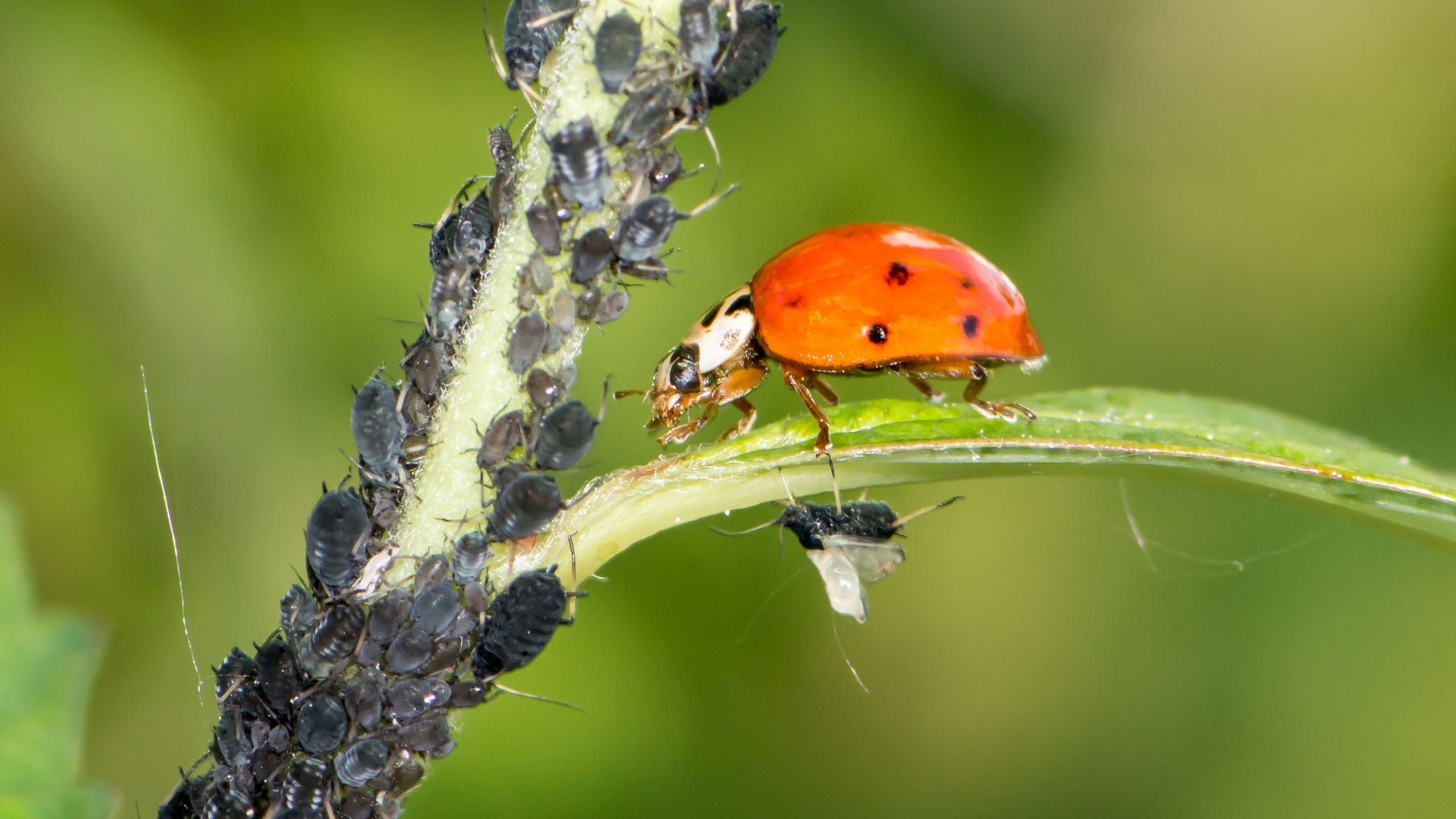
A biological control agent is an organism, such as an insect or plant disease, that is used to control a pest species.
What is Azotobacter?
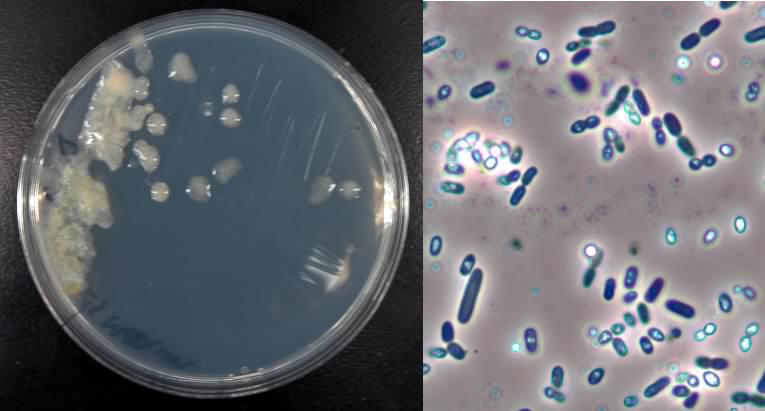
Azotobacter is bacteria specially used as biofertilizer in soil. Azotobacter bring atmospheric nitrogen to soil when applied to the soil. These bacteria utilize atmospheric nitrogen gas for their cell protein synthesis. This cell protein is then mineralized in soil after the death of Azotobacter cells thereby contributing towards the nitrogen availability of the crop plants. Azotobacter spp. is sensitive to acidic pH, high salts, and temperature.
What is PGPB?
PGPB are plant growth-promoting bacteria, commonly known as any bacterial responsible for the nutrient transfer to the plants. The role and importance of bio-fertilizers in sustainable crop production have been studied well.
Biofertilizers play a very significant role in improving soil fertility by fixing atmospheric nitrogen, both, in association with plant roots and without it, solubilise insoluble soil phosphates and produces plant growth substances in the soil.

What is Biofertilizer?

Biofertilizers are biological products containing living microorganisms that, when applied to seed, plant surfaces, or soil, promote growth by several mechanisms such as increasing the supply of nutrients, increasing root biomass or root area and increasing nutrient uptake capacity of the plant. The concept of biofertilizers has changed along with the state of knowledge about associations occurring between soil microorganisms and plants.