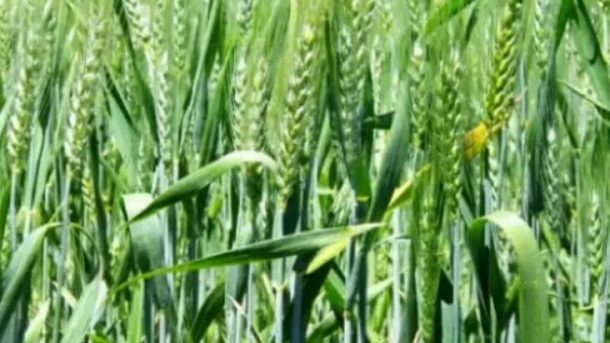
A balanced crop nutrition program, including all macro and micro nutrients is essential to help manage all of these components. Nitrogen and potassium are the most essential nutrients for maintaining high wheat yields. In general, the wheat crop will use 60% more potassium than nitrogen, which is low in phosphate and sulphur requirements but still important. The need for phosphate on the other hand is similar to that of sulphur. It is during the rapid spring growth that all macronutrients are in demand.
ScientificFarmingWeb
What is Dry land farming?
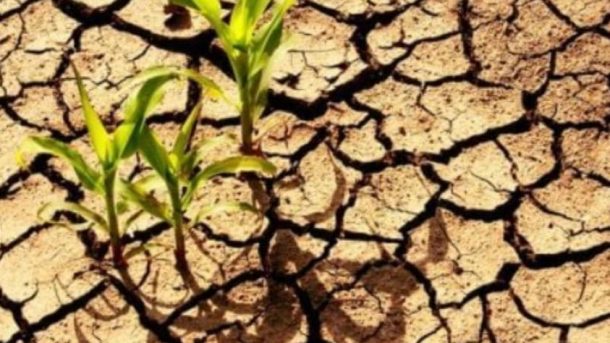
Cultivating crops in areas where annual rainfall is more than 750mm but less than 1150mm is called dry land farming. The soil moisture conservation measure is the key for dry land farming practice in semi-arid region. Drainage facility may be required especially in black soils.
What is Dry farming?
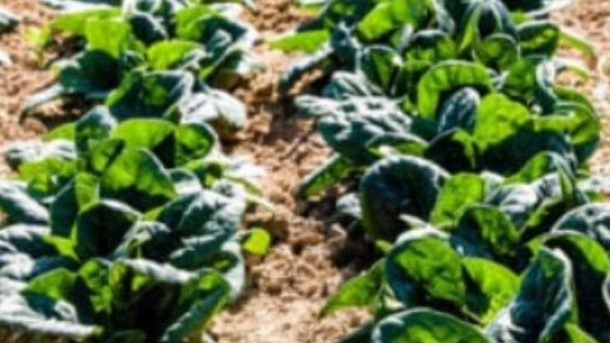
Cultivation of crops in areas where annual rainfall is less than 750 mm. Crop failure due to prolonged dry spells during crop period is most common. Dry farming is practiced in arid regions with the help of moisture conservation practices.
How biofertilizer management is done in Groundnut?
Biofertilizers are the source of microbial inoculants, which has raised hopes for many countries, both economically and environmentally. Bio fertilization, unlike the use of chemical fertilizers, is gaining constant attention and recognition from scientists because of the microbial inoculants. Introduced in soil or plant cultures directly affecting plant production capacity. The highest dry matter production in the use of both Rhizobium and Phospho Bacterium is because it increased the maximum shoot length, the number of branches per plant.
What is the soil requirement for Brown rice farming?
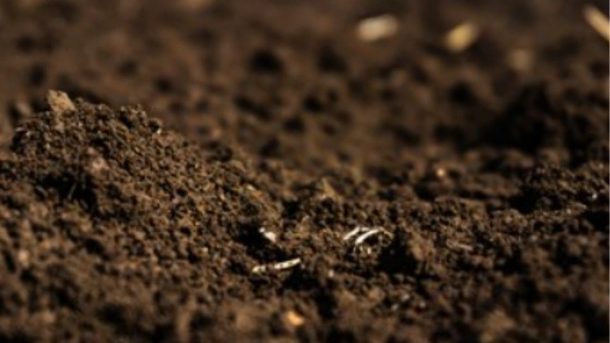
Brown rice grows on a variety of soils like silts, loams & gravels. It can tolerate alkaline as well as acid soils. However, Clayey loam is well appropriate to the raising of this crop. Clayey loam soils on monsoon land is considered to be the best for rice cultivation as the winter retention capacity of this soil is high. Brown rice grows in saline areas of the region. Rice cultivation needs high fertilizer application.
What are the different stages of date fruit ripening?

Generally, date fruits have three different stages of ripening: first is khalal followed by rutab and Tamar stages respectively. The khalal stage starts 17th weeks after pollination, 6 weeks later the rutab stage followed and finally enters the Tamar stage on the 27th week. The Tamar stage of the fruit is considered to be the fully ripened stage.
How organic farming policy helping farmers?
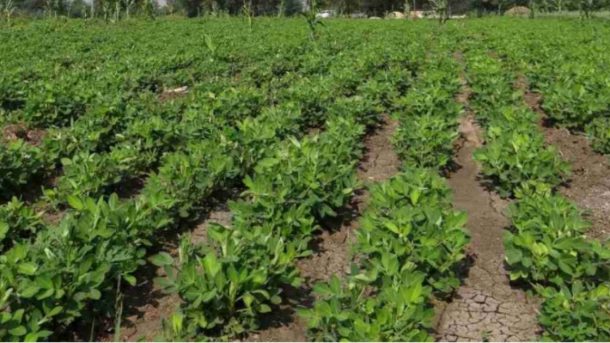
Under the Gujarat governments organic farming policy, promoting organic farming practices in the state will spend about Rs 10 crores in a year. Gujarat is the 9th state after Kerala, Karnataka, Andhra Pradesh, Sikkim, Mizoram, Madhya Pradesh, Himachal Pradesh and Nagaland to announce for organic farming policy. It helps farmers with certification, marketing and branding and focuses on the tribal areas. An organic cell will be set up under the agriculture department to implement the organic farming policy and a Gujarat organic Farming Committee will be formed to monitor the implementation of the policy for organic farming.
How topping helps to control pest population in cotton?
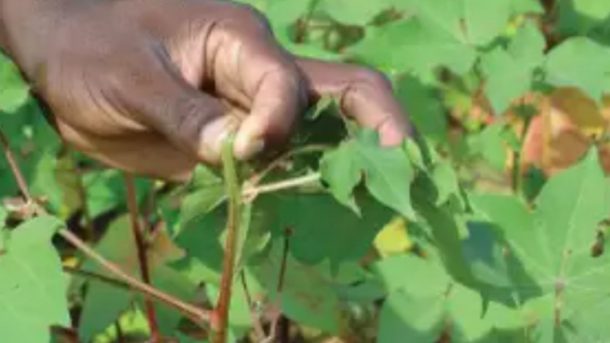
Removal of terminals of cotton crop (“Topping”) at 80-90 days of growth should be made to reduce Helicoverpa oviposition and also to encourage sympodial branching which bears more fruiting bodies.
How many date palm seedlings are required per acre of land?
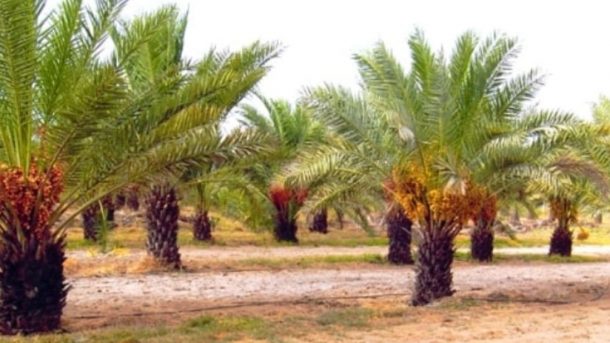
Depending on the area of the farm and the spacing recommendation, it can be estimated that approximately one acre of land with a plant spacing of 6m can accommodate 112 seedlings. Similarly, for a spacing of 8m, one acre of land can accommodate 63 seedlings.
What is centrifugal energy nozzle?

It is a type of nozzle in which fine mist forms of droplets are obtained from such nozzle which is used in ultra-low volume spraying and aircraft spraying.