POSTEDITOR OFFICE

How can I increase crop yield and quality?

crop yield

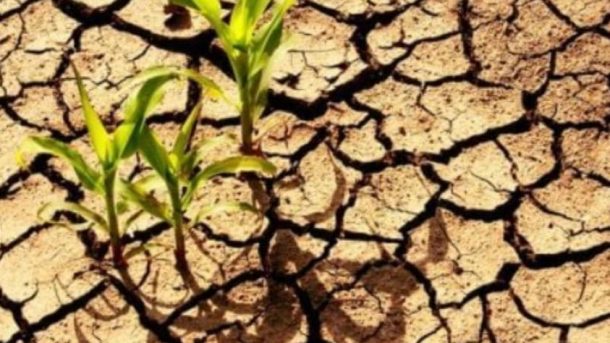
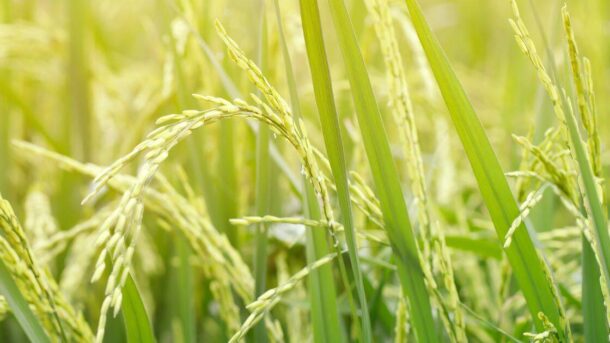
Agricultural productivity depends on the quality of seeds with which farmers sow their fields. Therefore, in order to increase crop yield on their farmlands, agrarians are recommended to sow only certified seeds that have passed all the necessary quality controls.

Certified seeds may cost higher than those that do not have certification, but the result will be worth it, because the proper quality of seeds is one of the main factors that affect crop yield. Besides that, planting only high-quality seeds represents one of the eco friendly methods to increase crop yield. If needed, a farmer can check the quality of particular seeds by referring to a relevant seed company and requesting it to conduct special trials on a given land plot.


The seed multiplication ratio is the ratio between the investment in seed versus the yield. For example, if three grains are harvested for each grain seeded, the resulting multiplication ratio is 1:3, which is considered by some agronomists as the minimum required to sustain human life. One of the three seeds must be set aside for the next planting season, the remaining two either consumed by the grower, or for livestock feed.
What are the best irrigation methods for my specific crop and growing conditions?

irrigation methods

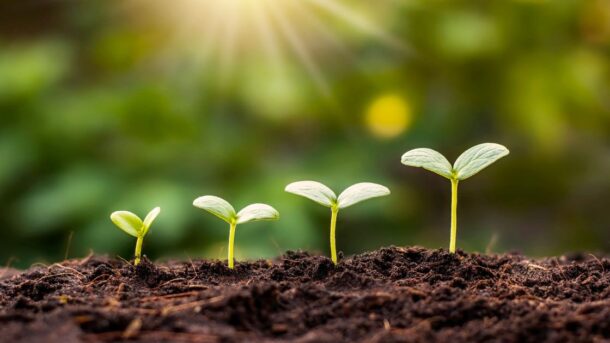
Irrigation is when people add water to plants, to help them grow when there is not enough rain. Irrigation water can be pumped from rivers, natural lakes or lakes created by dams, from wells or allowed to flow to the fields by or open canals.

There are many different types of irrigation methods. The most common ones are:

  1. Sprinkler Irrigation
  2. Drip irrigation
  3. Surface irrigation
  4. Sub surface irrigation
  5. Manual irrigation

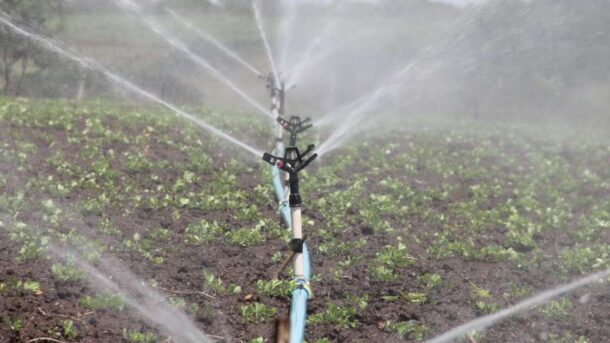
Sprinkler irrigation mimics natural rainfall where water falls on the plants. In sprinkler irrigation, water is moved through pipes to sprinklers scattered around and within the field. 

In drip irrigation, water drips directly to the roots of plants from pipes which have small holes or special emitters spaced along the pipe.

In Surface irrigation, water from a source such as rivers, pipes, dams, canals e.t.c. floods the soil surface. Surface irrigation uses a lot of water compared to other irrigation methods.

What are the optimal soil conditions and nutrient requirements for a specific crop?

nutrient

The plant takes up nutrients in the soil through its roots and in particular its root hairs. To be taken up by a plant, a nutrient element must be located near the root surface; however, the supply of nutrients in contact with the root is rapidly depleted within a distance of ca. 2 mm.

There are three primary mechanisms whereby nutrient ions dissolved in the soil solution are brought into contact with plant roots.

  1. Mass flow of water
  2. Diffusion within water
  3. Interception by root growth

All three mechanisms operate simultaneously, but one mechanism or another may be most important for a particular nutrient. For example, in the case of calcium, which is generally plentiful in the soil solution, except when aluminum over-competes for calcium on cation exchange sites in very acid soils.

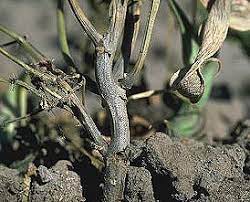
Ashy stem blight disease in Dolichos bean crop (Arka)

stem

Ashy stem blight is a common disease that affects Dolichos bean (Arka) crops. The disease is caused by the fungus Phomopsis vexans, which can infect the stems, leaves, and pods of the plant.

Symptoms of the disease include brown or black lesions on the stem, which can cause the stem to become brittle and break easily. The leaves may also develop yellow spots, and the pods may become discolored and deformed.

To control the spread of the disease, it is important to implement proper cultural practices such as crop rotation, removing infected plant debris, and avoiding overhead irrigation. Additionally, fungicides can be applied to help control the spread of the disease, with thiophanate methyl and vitavax reduced incidence significantly. Treating the seeds with captan, thiram or benlate is also helpful in reducing the disease( usually 3g/kg og seeds). Organic control implement by treating the seed with biocontrol agents like Trichoderma viride, Pseudomonas fluorescens and Bacillus subtilis show the results. 

How fumigation used in agriculture?

Fumigation

Fumigation is a pest control method used in agriculture to eliminate or control harmful insects, pathogens, and other pests that can damage crops. It involves the use of gaseous or vaporized chemicals, called fumigants, which are applied to soil or stored grain to kill or control pests.

There are different types of fumigation methods, each of which uses a specific type of fumigant and application method. Some common fumigants used in agriculture include methyl bromide, phosphine, and sulfuryl fluoride.

Soil fumigation is a common pest control method for crops such as strawberries, tomatoes, and peppers. The fumigant is applied to the soil before planting, and it penetrates the soil to kill pests that live in or on the soil, such as nematodes, root-knot nematodes, and fungal pathogens.

Grain fumigation is used to control pests in stored grain, such as grain bins or silos. The fumigant is introduced into the grain storage facility to eliminate insects and other pests that can infest and damage stored grain.

Fumigation is an effective pest control method, but it is also highly toxic and requires careful handling and application.

What is the use of slag in agriculture?

agriculture

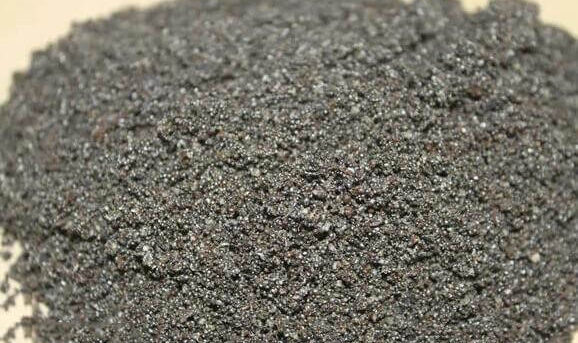
Slag, a byproduct of metal smelting and refining, can be used as a fertilizer in agriculture. The minerals in slag, such as iron, magnesium, and calcium, are beneficial to plants and can help to improve soil fertility. Additionally, slag is alkaline, which can help to neutralize acidic soils.

However, it’s important to note that slag can also contain harmful heavy metals, such as lead and cadmium, that can contaminate crops and be harmful to both human health and the environment. As a result, it’s important to test slag before using it in agriculture to ensure that it is safe and suitable for the intended purpose.

When used correctly, slag can be an effective and cost-effective fertilizer for farmers, but caution must be taken to avoid any potential negative effects on the environment and human health.

What is Horticultural Oil?

Horticultural

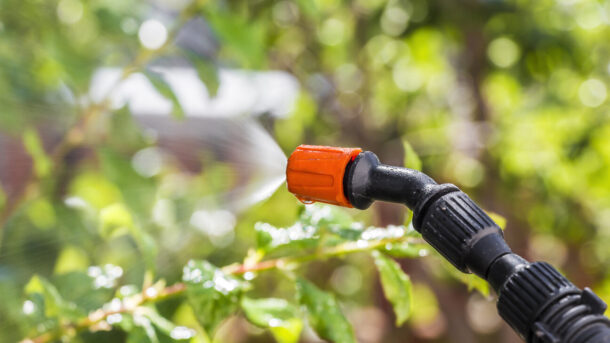
Horticultural oil is a type of petroleum-based or mineral oil that is used in horticulture and agriculture to control pests, diseases, and mites on plants. It works by smothering the insects and their eggs, and it can also help to control certain fungal diseases by removing the waxy surface layer of fungal spores, reducing their ability to spread. 

Horticultural oils are highly refined and are considered safe for use on plants, but care should be taken to follow the label instructions for dilution and application to avoid damaging the plants.

 What is Pastoral farming?

livestock affect

Pastoral farming is a type of agriculture that involves the raising of livestock, such as cattle, sheep, goats, and camels, for the purpose of producing meat, dairy products, wool, and other animal-derived goods. This type of farming is practiced in areas with large, open lands, such as grasslands, savannas, and deserts, where there is enough space to graze large herds of animals.

Pastoral farming is often associated with nomadic or semi-nomadic cultures, where people move their herds from one area to another in search of fresh grazing land and water. In many cases, pastoralists also engage in trade and other economic activities that complement their livestock production, such as the sale of animal products and the provision of transportation services using animals like camels.

Pastoral farming is an important part of the economy and culture of many countries, and plays a critical role in the livelihoods of millions of people around the world.

How can we reduce desertification?

Soil

Reducing desertification requires a multi-faceted approach that addresses both the natural and human causes of the problem. Some strategies that can help reduce desertification include:

  • Sustainable land use practices: This involves reducing human activities such as overgrazing, deforestation, and improper irrigation methods that can lead to soil degradation and loss of vegetation.
  • Water management: Improving water management practices, such as rainwater harvesting, can help to reduce soil erosion and increase water availability for vegetation.
  • Reforestation: Planting trees can help to prevent soil erosion, increase moisture levels in the soil, and provide habitat for wildlife.
  • Sustainable agriculture: Adopting sustainable agriculture practices, such as crop rotation, conservation tillage, and the use of drought-resistant crops, can help to reduce soil degradation and improve food security.
  • Fire management: Controlled burning can help to reduce the risk of wildfires, which can be a major cause of soil degradation and loss of vegetation in dryland areas.
  • Climate change mitigation: Addressing the underlying causes of climate change, such as reducing greenhouse gas emissions, can help to reduce the impacts of desertification by slowing down the rate of climate change and its impacts on the land.
  • Community involvement: Encouraging local communities to participate in efforts to reduce desertification can help to build support and increase the chances of success.

What is Desertification?

Dry land farming

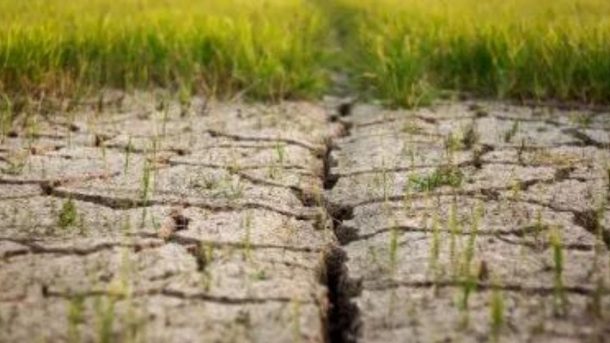
Desertification is the degradation of the land in arid, semi-arid, and dry sub-humid regions as a result of a variety of reasons, including climate variations, human activity, and improper management of natural resources. It has a negative impact on biological productivity, plant cover loss, soil erosion, and the quantity and quality of available water resources.
This may result in a decrease in the ability of the land to support both human and animal life, as well as serious social and economic issues for the neighborhood, especially for people whose livelihoods depend on agriculture and cattle.
The once-fertile land can sometimes become entirely dry and unable to support any life, as a result of the process of desertification.