POSTEDITOR OFFICE

What is the Sustainable food movement?

basil

The sustainable food movement is a broad-based social and environmental movement that seeks to promote a more sustainable and equitable food system. This movement is rooted in the belief that the current dominant industrial food system is environmentally destructive, socially unjust, and nutritionally inadequate. It aims to promote alternative food systems that are based on principles of sustainability, equity, and health.

The sustainable food movement encompasses a wide range of practices, from urban and rural agriculture, to community-supported agriculture, to local and regional food systems, to organic and biodynamic farming. These practices aim to reduce the environmental footprint of agriculture, increase the nutritional value of food, and improve the livelihoods of farmers and food workers.

This movement often works to create alternative food networks that bypass the dominant industrial food system and provide direct connections between farmers and consumers. In short, the sustainable food movement is a response to the many challenges posed by the industrial food system and seeks to create a more sustainable, equitable, and healthful food future.

What is agro-ecological farming ?

agro-ecological farming

Agro-ecological farming is a type of agricultural production system that integrates the principles of ecology and sustainable agriculture with the aim of promoting food security, protecting the environment, and enhancing the livelihoods of farmers. 

It is based on the idea that a sustainable and productive agricultural system can be achieved by mimicking the natural processes of ecosystems. This is achieved by using a variety of practices, such as crop rotation, intercropping, agroforestry, and organic fertilization, among others, that maintain soil fertility, conserve biodiversity, and reduce the reliance on synthetic inputs like pesticides and fertilizers. 

Agro-ecological farming aims to promote resilience in the face of environmental and economic challenges, and supports the development of resilient food systems that benefit both farmers and consumers.

Treatment of four spotted fall armyworms in Sweet  corn.

armyworms

Control of Four-spotted Fall Armyworms can be achieved through a combination of cultural, biological, and chemical methods. Cultural methods include crop rotation, removal of crop residue, and planting of early-maturing varieties of maize..

  • Apply neem cake @ 250 kg/ha at the time of new sowing of the crop in soil. Install one light trap in the field. 
  • Do not take maize after maize crop. Follow crop rotation. 
  • Collect & destroy the egg masses mechanically. 
  • On initiation of the infestation, spray neem base formulation @ 40 ml (1500 ppm) to 10 ml (10000 ppm) per 10 liter of water.
  • On higher incidence, spray chlorpyriphos 20 EC 20 ml or spinosad 45 SC 3 ml or emamactin benzoate 5 SG @ 4 g or chlorantraniliprole 18.5 SC 3 ml per 10 liter of water. See that leaf whorl should be properly covered with spray.

In addition to these control measures, farmers can also take steps to prevent the spread of Four-spotted Fall Armyworms. This includes regularly scouting their fields, early detection and reporting of infestations, and avoiding the movement of infested plant material.

It is also important for farmers to be aware of the potential for insecticide resistance and to implement integrated pest management strategies to minimize the risk of resistance development. 

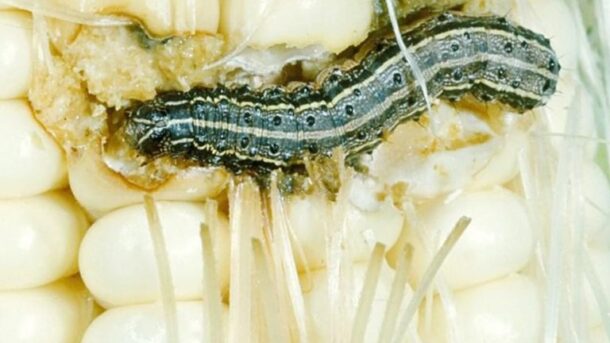
Invasive pest ( Four spotted fall armyworm) in maize crop

Invasive

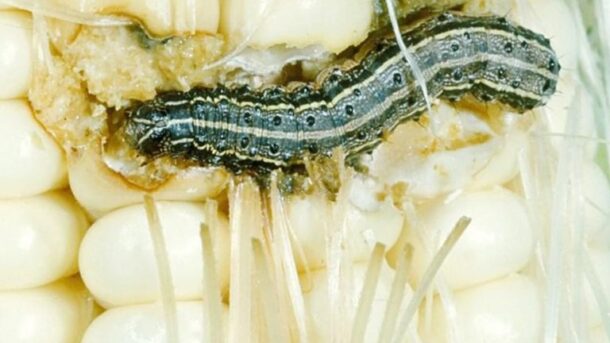
The Four-spotted Fall Armyworm (Spodoptera frugiperda) is a highly invasive and destructive pest of maize (corn) crops. This caterpillar is known to feed on the leaves, stems, and ears of maize plants, causing extensive damage to the crop and reducing yields. In severe infestations, the pest can completely defoliate plants and even destroy entire fields.
The larva is brown in colour, dark pimple-like spots with hairs. Larval stage is about 12 to 20 days. This invasive polyphagous pest lays their eggs on the lower surface of the leaf in a bunch covering with silken thread. Young larvae scrap the epidermal layer of the leaf and feed chlorophyll contents. Bigger larvae feed on leaves by making uneven shot holes on the leaf and also enter into the cob and feed the developing grains. Saw-dust like excreta is seen near the leaf whorl. This caterpillar can do 34 to 50% damage to the maize crop.

What is the Soft rot or fruit rot in jackfruit?

jackfruit

Soft rot, also known as fruit rot, is a common problem that affects jackfruit trees. It is caused by various types of bacteria and fungi, including Erwinia carotovora, which thrive in warm and moist environments. Some of the common symptoms of soft rot in jackfruit include:

  • Decay of the fruit: The fruit begins to soften and develop a watery texture, with a foul odor.
  • Discoloration: The affected area of the fruit turns brown or black, and the surrounding skin becomes sunken and wrinkled.
  • Spread: The decay can spread quickly to other parts of the fruit and even to other fruits on the same tree.

To prevent soft rot in jackfruit, it is important to practice good agricultural practices, such as proper spacing of trees, proper pruning, and maintaining good soil drainage. Harvesting fruits when they are mature but still firm, and avoiding injury to the fruits during harvesting can also help prevent soft rot.

Infected fruits should be removed and disposed of promptly to prevent the spread of the disease. Proper sanitation, including cleaning and disinfecting tools and equipment, can also help to prevent the spread of bacteria and fungi.

If the problem is severe, chemical control with fungicides may be necessary. However, it is important to follow the label instructions carefully to ensure effective control and minimize potential harm to the environment and human health.

Do you know, date palm used as host plant for sandalwood.

host

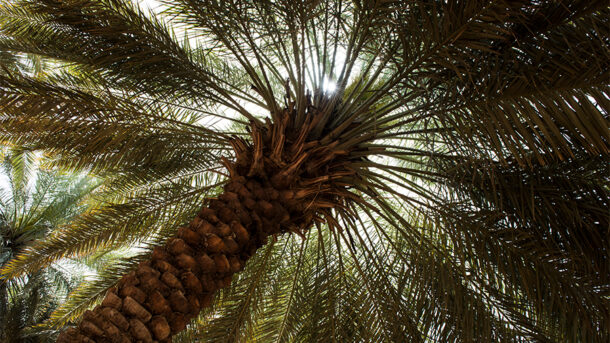
Date palm (Phoenix dactylifera) can be used as a host plant for sandalwood (Santalum album). Sandalwood is a slow-growing tree species that is prized for its fragrant heartwood, which is used in a variety of products such as perfumes, incense, and traditional medicines. 

Sandalwood requires a host tree species for support and protection, and date palm can provide these conditions. When sandalwood is grown as an understory crop in a date palm plantation, the date palm provides shade and protection, allowing the sandalwood to grow in a more favorable environment. 

Additionally, the date palm can also provide a source of food and habitat for beneficial insects and other animals, which can help support the health and growth of the sandalwood trees.

Why are fig fruit drops?

fig fruit

Overripens, lack of pollination, high humidity, disease, stress, or nutritional deficiencies can all cause fig fruit to fall from the tree. When the fruit becomes overripe, it may fall off prematurely. The fig may drop if it was not properly pollinated. 

Due to fungal infections, high humidity can cause fruit to drop. If the tree is infected with a disease (such as fig rust, Botrytis, or powdery mildew), it may drop its fruit. 

Finally, a lack of nutrients in the soil, particularly calcium and magnesium, can cause the tree to drop its fruit. Pruning mistakes also contributed to fig drop.

Requirement for growing star anise

growing star anise

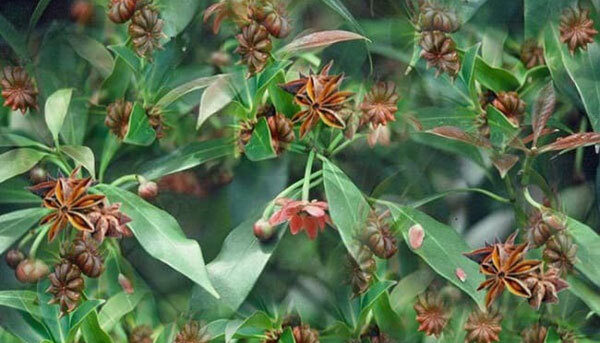
Growing star anise is a tree that grows best in tropical and subtropical regions with high humidity, warm temperatures, and well-drained soil. The following requirements are essential for growing star anise:

  • Climate: Star anise requires a warm and humid climate, with temperatures between 20-30°C and high humidity.
  • Soil: It prefers well-drained, fertile soil with a pH range of 6.0-7.0.
  • Water: Star anise requires regular watering, especially during dry seasons. However, it is important to avoid water logging as this can lead to root rot.
  • Light: Star anise requires full sunlight to grow properly.
  • Fertilizer: Regular application of compost or well-rotted manure can provide the necessary nutrients for the plant’s growth.Use a balanced liquid fertilizer, diluted to 1/4 of its strength, once in 4-6 weeks.
  • Pruning: Regular pruning is necessary to control the size of the plant and to maintain its shape.

By providing these requirements, star anise can grow well and produce the fragrant, star-shaped fruits used in cooking and herbal remedies.

How cinnamon used for damping off disease?

nursery

Cinnamon is used as a fungicide to treat damping off disease in plants by inhibiting the growth of fungi responsible for the disease. The antimicrobial properties of cinnamon are due to its essential oil, which contains compounds such as cinnamaldehyde and eugenol. 

When cinnamon is applied to soil, it creates a protective barrier around the roots of the plant, preventing the fungi from infecting the seedlings. Additionally, cinnamon can also boost the plant’s own defense mechanisms, making it more resistant to disease. 

To use cinnamon for damping off disease, simply sprinkle cinnamon powder on the soil surface around the seedlings or mix cinnamon into the soil before planting.

What is Anthrax disease?

animals

Anthrax disease, a highly infectious and fatal disease of cattle, is caused by a relatively large spore-forming rectangular shaped bacterium called Bacillus anthracis. Anthrax causes acute mortality in ruminants. The bacteria produce extremely potent toxins which are responsible for the ill effects, causing a high mortality rate. Signs of the illness usually appear 3 to 7 days after the spores are swallowed or inhaled. Once signs begin in animals, they usually die within two days.

Hoofed animals, such as deer, cattle, goats, and sheep, are the main animals affected by this disease. They usually get the disease by swallowing anthrax spores while grazing on pasture contaminated (made impure) with anthrax spores. Inhaling (breathing in) the spores, which are odorless, colorless, and tasteless, may also cause infection in animals and people.