POSTEDITOR OFFICE

 What is the concept of smart farming?

smart farming

Smart farming offers precision farming techniques, in which farm management is customised to particular areas or even individual plants. Farmers may administer inputs, such as water, fertiliser, or pesticides, precisely where and when they are needed, depending on the conditions and needs of the crop, by using data and technology. This accuracy aids in waste minimization, environmental effect mitigation, and resource utilisation optimisation.

Automation and robotics: Agricultural processes are automated and robotics is used in smart farming. Planting, harvesting, spraying, and monitoring operations can be carried out by automated equipment like autonomous tractors or robotic systems. The usage of robotics is also possible for activities like milking, sorting, and fine weed control. Robotics and automation increase productivity, decrease the need for labour, and allow around-the-clock operations.

Farm Management Systems: Farm management software systems incorporate and analyze data from various sources to enhance agricultural operations. These platforms give farmers a centralised perspective of their business operations, enabling them to manage resources, track profitability, and keep an eye on performance. Systems for managing farms help with record-keeping, planning, scheduling, and regulatory compliance.

Sustainable and Efficient Practises: Using smart farming methods encourages efficient and sustainable agriculture. Smart farming increases output while preserving resources, minimising negative environmental effects from chemical use, and optimising inputs. It promotes efficient fertiliser management, focused crop protection, precise irrigation, and all-around sustainable farming techniques.
How is nanotechnology being applied in agriculture?

nanotechnology

Nanotechnology is utilised to create formulations of insecticides and fertilisers that are applied at the nanoscale. Nanopesticides deliver active substances with precision, increasing their efficacy and minimising their negative effects on the environment. Nanofertilizers are used to fertilise plants more effectively, reducing nutrient loss and enhancing nutrient uptake. These nanoscale compositions can improve fertiliser management and crop protection while using fewer pesticides overall.

Controlled-Release Systems: The creation of controlled-release systems for the delivery of fertilisers, insecticides, and other agricultural inputs is made possible by nanotechnology. To ensure a prolonged and regulated release of active compounds, substances can be constructed into nanocarriers or nanocapsules that release them gradually over time. Because of the more accurate application and decreased treatment frequency made possible by this technique, resources are used more effectively, and environmental pollution is decreased.

Crop Enhancement: Nanotechnology is used to enhance the performance and improve the properties of crops. To improve seed germination, root growth, and overall plant growth, nanomaterials can be added to plant growth regulators or seed treatments, such as nanoparticles or nanoclays. Additionally, by enhancing the bioactivity and bioavailability of bioactive substances, these nanomaterials can support plant health and stress resistance.

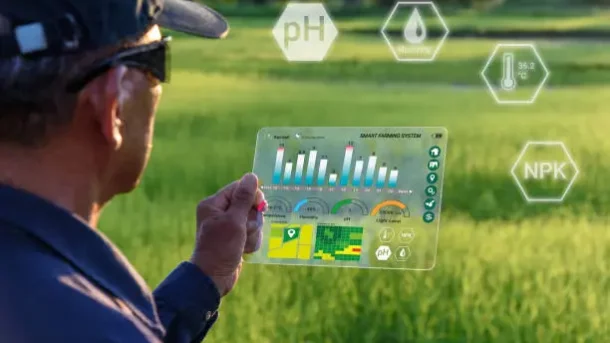
Nanosensors are used in agriculture to monitor a number of characteristics, such as soil moisture, nutrient levels, pH, and pest infestations. These sensors offer real-time information on the state of the environment and the health of the plants, enabling accurate monitoring and decision-making. IoT devices that use nanosensors can remotely monitor and manage agricultural operations using data.

 How is satellite imagery used in agriculture?

satellite imagery

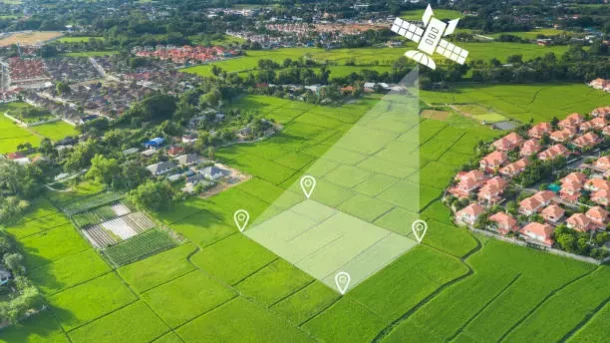
Crop monitoring: The health, development, and growth of crops can be tracked using satellite photography. The photos offer information on vegetative biomass, vigour, and stress signs such changes in chlorophyll concentration. Farmers can spot problem areas, spot early indications of disease, nutrient deficiency, or water stress by analysing satellite imagery, and then take preventative action to lessen possible problems.

Crop output can be forecasted by combining satellite imagery with additional data sources like weather information and past crop performance. Satellite imaging aids in forecasting and planning for future harvest results by tracking vegetation indices and growth patterns throughout the growing season. Accurate yield forecasting aids in improved resource allocation, logistics, and market planning decisions.

Field Mapping and Boundary Identification: Field mapping, defining field boundaries, and identifying certain geographical areas all make use of satellite images. Crop management, precision farming techniques, and adherence to laws or rules governing agriculture all benefit from this knowledge. Using satellite imagery for field mapping enables accurate field-level monitoring, analysis, and targeted actions.

Management of Irrigation: Satellite photography provide information on the soil moisture levels and irrigation requirements across vast agricultural areas. Farmers may improve their irrigation plans, ascertain when and how much water is needed, and avoid over- or under-irrigating by analysing satellite-based data. Thus, water consumption efficiency is improved. 

What are the advantages of using smart irrigation systems?

systems

Livestock management and observation are carried out by autonomous vehicles. For instance, in dairy farms, robotic devices can automate chores like feeding, milking, or waste management. These vehicles can independently drive and communicate with cattle thanks to sensors and computer vision. Autonomous drones or robots can also be used by livestock monitoring systems to monitor animal behaviour, health, or movement in sizable livestock operations.

Sampling and analysing soil is a task that can be accomplished by autonomous vehicles. They have equipment that allows them to take soil samples at predetermined field sites. These samples can then be examined to assess the pH, nutrient levels, or soil fertility. A more organised and effective method of doing soil testing is provided by autonomous soil sampling vehicles, allowing farmers to make knowledgeable decisions.

Weed and pest control: Targeted weed and pest management is carried out by autonomous vehicles. They may have sensors, cameras, or spraying systems that allow them to identify and target specific weeds or pests. These vehicles determine the appropriate locations to apply herbicides or pesticides and do so using computer vision and machine learning algorithms. Vehicles for weed and pest management that operate autonomously use less chemicals, have less of an impact on the environment, and protect crops more precisely.

Field mapping and data collection are carried out by autonomous vehicles, such as drones or ground-based robots. They gather information on crop health, topography, and soil moisture, giving precision farmers useful information. 

How are autonomous vehicles being used in farming?

autonomous

Field activities: For field activities like plough, till, plant, seed, spray and harvest, autonomous tractors and equipment are used. These cars have computer vision systems, sensors, and GPS technology, allowing them to function independently in the field. They are able to complete activities precisely and effectively, navigate around obstacles, and follow predetermined courses. Autonomous field operations enable round-the-clock farming, minimise the need for labour, and increase precision.

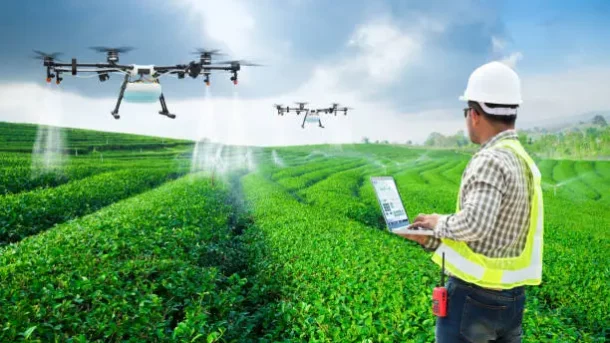
Crop monitoring and imaging: Unmanned aerial vehicles (UAVs) or drones are used to photograph and monitor crops from the air. They take high-resolution pictures and gather information on the health of the crop, its growth patterns, and any pest infestations. Farmers can take targeted action by using these photos and data to find fields with stress or unpredictability.

Farmers may gain the ability to more accurately spread fertilizer and herbicides, or apply what is necessary only to the crops that need it most, rather than all of them. Using a combination of GPS, sensors, and imaging, they would presumably have a better handle on how to deploy the robotic vehicles tilling the land.

What is IoT (Internet of Things) in agriculture?

Internet of Things

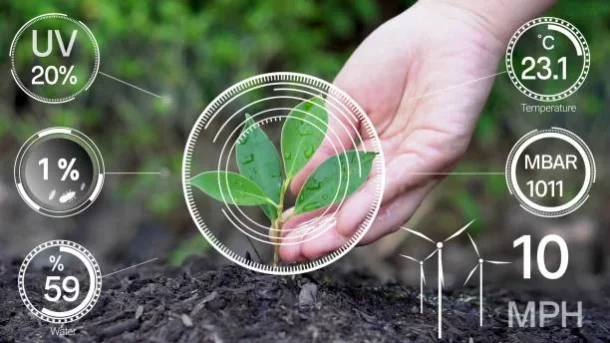
Sensor Networks: To monitor and gather data on numerous factors, (Internet of Things) IoT devices and sensors are put in the field, greenhouse, or livestock facilities. These sensors collect data on a variety of variables, including soil moisture, temperature, humidity, precipitation, crop health, livestock behaviour, and more. The information gathered sheds light on the state of the environment, the development of plants, the welfare of animals, and resource management.

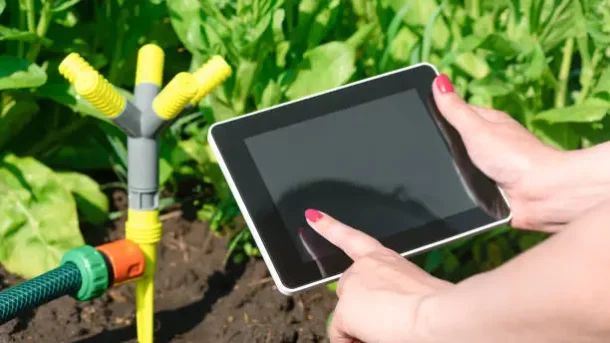
Remote Monitoring and Control: (Internet of Things) IoT makes it possible to monitor and manage agricultural operations from a distance. Farmers may access real-time data from their laptops, tablets, or cellphones to keep an eye on the health of their livestock, crops, irrigation systems, and other equipment. Farmers can modify parameters, such as irrigation schedules, temperature settings, or feeding systems, based on the gathered data and particular needs thanks to remote control capabilities.

IoT makes accurate and focused resource management possible, which supports precision agriculture practises. Farmers are able to use water, fertiliser, pesticides, and other inputs to their best advantage by combining data from sensors, satellite imaging, weather forecasts, and historical records. This focused strategy maximises crop yield and quality while minimising waste and environmental impact.

Automated Systems: Internet of Things (IoT) devices can automate numerous agricultural processes, requiring less manual labour. Automated irrigation systems, for instance, can modify water application based on current soil moisture information. Automation of processes like planting, harvesting, and livestock management is possible with robotic devices. These automated technologies increase operational effectiveness, decrease the need for labour, and provide 24/7 monitoring and control.

How is blockchain technology being implemented in the agricultural supply chain?

agricultural supply chain

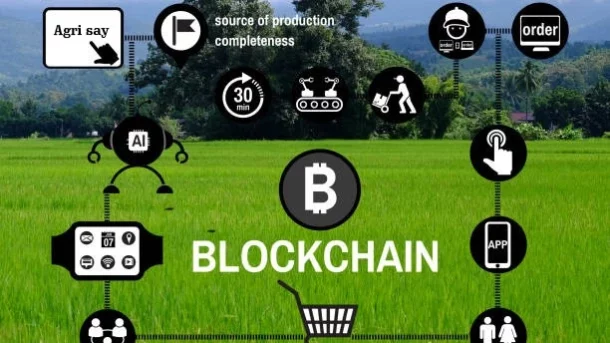
Product tracability: Thanks to blockchain technology, every agricultural product transaction and movement along the agricultural supply chain may be recorded and tracked. The blockchain can be used to track every stage, including production, processing, packing, shipping, and distribution. Consumers and stakeholders may confirm the product’s origin, quality, and authenticity thanks to this immutable and transparent record of its journey.

Transparency in the agricultural supply chain is made possible by blockchain technology, which gives farmers, processors, distributors, retailers, and consumers access to a shared, decentralised ledger. By making transactions transparent, fraud, forgery, and unethical behaviour are reduced. The supply chain’s integrity and dependability are ensured by participants’ capacity to validate and verify the data stored on the blockchain.

Quality and Standards Assurance: Blockchain can be used to store and exchange data on the certifications of products as well as their adherence to standards and laws. This information may cover specifics regarding farming techniques, the use of pesticides and fertilisers, organic certifications, fair trade principles, and other topics. Consumers can make educated decisions and feel confident about the things they buy by having access to this information via the blockchain.

Efficient Payment and Transactions: Blockchain technology makes it possible for the agricultural supply chain to conduct safe and effective digital transactions. Processes like payments, invoicing, and settlements can be automated and streamlined using smart contracts, which are self-executing contracts on the blockchain. This leads to quicker and more secure transactions by reducing paperwork, lowering transaction costs, and doing away with the need for middlemen.

 What is the role of robotics in modern agriculture?

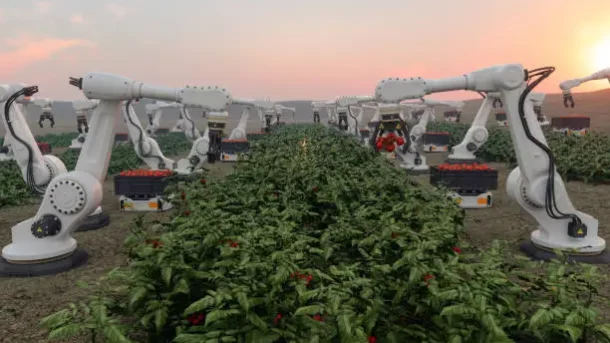
Automation of Labor-Intensive chores: By automating labor-intensive agricultural chores, robots can lessen the need for manual labour. They can efficiently and precisely carry out tasks including planting, seeding, transplanting, weeding, spraying, and harvesting. This automation boosts production, lowers costs, and addresses the labour deficit.

Robots with sophisticated sensors, computer vision, and machine learning algorithms are capable of carrying out tasks with a high degree of accuracy and precision. They may recognise and selectively target particular plants, weeds, or pests, consuming less water, fertiliser, and pesticides in the process. This focused strategy encourages sustainable farming methods while increasing efficiency and decreasing waste.

Robots with sensors and imaging capabilities may monitor and gather data on crops in real-time, including information on their health, their growth patterns, and their environmental circumstances. They may keep an eye on variables including temperature, humidity, nutrient levels, and soil moisture. Robotic data collection assists farmers in making educated decisions regarding crop-related practises such as irrigation, fertiliser application, disease management, and more.

Autonomous Machines and Vehicles: The usage of autonomous vehicles in agriculture is growing, including self-driving tractors and drones. These machines may operate autonomously and carry out duties including field mapping, crop monitoring, planting, spraying, and soil analysis. Autonomous equipment enhances operational effectiveness, lowers human error, and permits 24-hour farming operations.

 How are sensors used in smart agriculture?

sensors

Soil sensors: Soil sensors gauge the soil’s temperature, moisture content, and nutrient levels. Farmers can use this information to make well-informed decisions about managing soil health, applying fertiliser, and scheduling irrigation. In order to track the distribution of moisture and guarantee effective water use, soil sensor can be positioned at various depths.

Weather Sensors: Data on temperature, humidity, precipitation, wind speed, and sun radiation is collected by weather sensors. Monitoring weather trends, forecasting changes, and modifying farming practises all depend on this knowledge. Weather sensor aid in resource management optimisation, crop protection from severe weather, and irrigation optimisation.

Crop health sensor monitor a number of aspects of a plant’s health, such as the amount of chlorophyll present, the temperature of the leaf, and the amount of photosynthetic activity. These sensors are capable of identifying the first hints of stress, nutrient deficits, illnesses, and insect infestations. Farmers can take prompt action to avert or lessen potential damage and improve treatment plans by keeping an eye on the condition of their crops.

Sensors are used in livestock facilities to monitor the health, behaviour, and welfare of the animals. They can monitor things like body temperature, heart rate, level of activity, and dietary habits. Livestock sensor aid in the early detection of illness, stress, or abnormal behaviour, allowing for better herd management and early intervention.

What are the benefits of using drones in agriculture?

drones

Aerial imaging and mapping: Farmers can construct precise maps of their property using high-resolution aerial photos taken by drones with cameras or sensors. With the help of this data, targeted interventions and precision agriculture techniques may be carried out. They also reveal important insights into crop health, growth trends, and differences within the field.

Drones can regularly fly over crops to obtain visual and multispectral data as part of crop monitoring and health assessments.  this data may be analysed to monitor crop health and find early indications of stress, nutrient deficiency, illness, or insect infestation. Farmers may minimise crop losses, allocate resources more efficiently, and take necessary action with the aid of prompt detection.

Agricultural drones allow farmers to monitor crop and livestock conditions from the air to keep watch for potential problems and help optimize field management. There are several functions that farmers and other agribusiness owners can use agricultural drone services for, including:

  • Land imaging
  • Surveying topography and boundaries
  • Soil monitoring
  • Livestock movement and counting
  • Irrigation monitoring
  • Spraying needs
  • Collecting soil and water samples
  • Troubleshooting