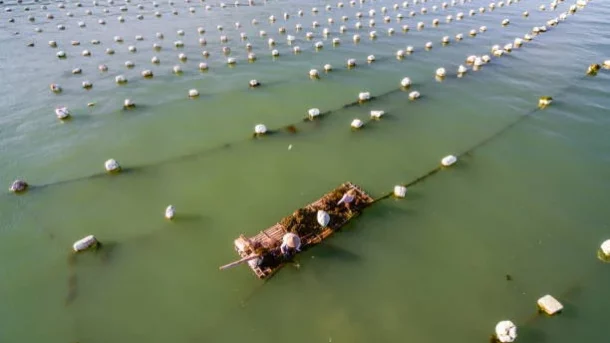
There are various obstacles to overcome in order to achieve sustainable intensification of aquaculture, which entails increasing output while reducing environmental effects and retaining social and economic benefits. Aquaculture is essential for supplying the rising global demand for seafood, but it must be appropriately managed to prevent harm to the environment and nearby communities. The following are some of the major obstacles to sustainable aquaculture intensification:
Increased waste generation, nutrient runoff, and habitat degradation are some of the environmental effects of intensification. Fish overcrowding in small areas can cause water quality to deteriorate, resulting in eutrophication and toxic algal blooms.
Disease and biosecurity: As aquaculture develops, farmed fish are at a higher risk of contracting diseases. For aquaculture to be sustainable, disease risk management and biosecurity precautions must be in place.
Fishmeal and fish oil are heavily used in aquaculture feeds, which can cause overfishing and put a strain on marine resources. Feed sustainability. It is extremely difficult to create and implement sustainable substitutes for fish-based meals.
Genetic Integrity: Concerns regarding the potential effects on wild fish populations if escaped farmed fish interbreed with wild stocks are raised by the adoption of genetically enhanced fish strains for quicker growth and better disease resistance.
Increased aquacultures may result in labor problems, such as unsafe working conditions and inadequate pay for farm laborers.