The market’s dynamics are significantly impacted by the rising popularity of organic farming, which also affects consumer behavior and different elements of the agricultural industry. Organic farming prioritizes soil health, biodiversity, and animal welfare while avoiding the use of synthetic fertilizers, pesticides, and genetically modified organisms (GMOs). Here are some ways that the growing demand for organic agriculture is influencing market dynamics:
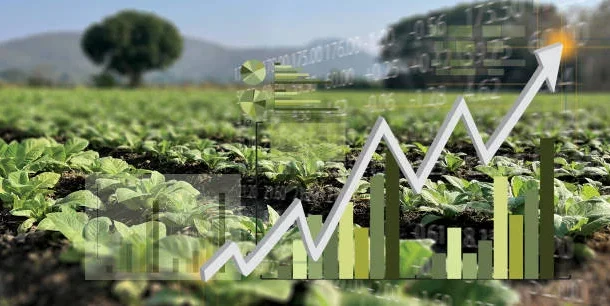
Market Development: The demand for organic food and produce is rising as consumer knowledge of the environmental and health benefits of buying organic products rises. This rise in demand energizes the organic farming industry, increasing production and the range of organic goods on the market.
Price Premiums: Due to the perceived value of their sustainable and environmentally friendly production processes, organic products typically fetch higher costs in the market compared to conventional alternatives. Farmers are encouraged to switch to organic farming practices thanks to this price advantage.
Consumer Preferences: The interest in organic farming reflects evolving consumer preferences for food that is produced in a way that is healthier, more sustainable, and ethical. Customers are willing to spend more for organic goods that adhere to their ideals, which affects the market and the items available.
Market segmentation: The growing popularity of organic farming has given rise to a separate market for organic goods. Increased market segmentation results from retailers and food producers providing more organic products in response to this demand in market dynamics.