How are emerging pests and diseases affecting global crop production?

pests and diseases

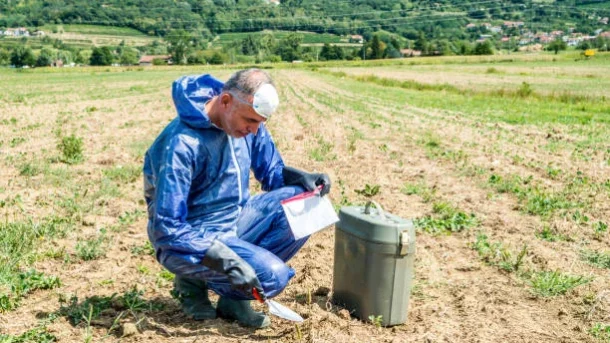
Emerging pests and diseases present serious obstacles to the production of crops worldwide. They have the following effects on agricultural systems:

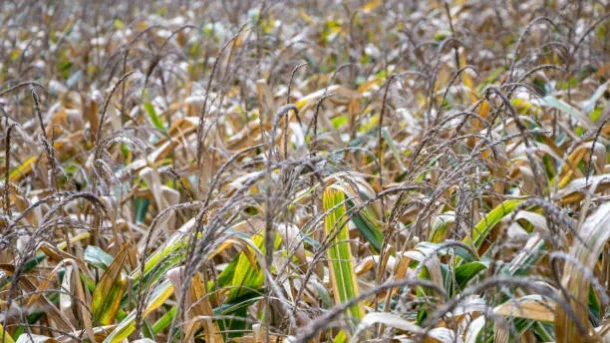
Emerging pests and illnesses can result in severe crop losses, lowering agricultural productivity and yields. They can have an impact on a variety of crops, including horticulture crops, income crops, and staple food crops.

Economic Repercussions: Emerging diseases and pests can have significant economic repercussions. Farmers may suffer losses as a result of lower crop yields, higher pest management and disease control expenses, and a decline in the market value of impacted crops. This may directly affect national economies, rural livelihoods, and farm earnings.

Emerging diseases and pests are a concern to food security worldwide. They can interfere with food production processes, cause food shortages, and damage crops, especially in areas that largely depend on particular crops for survival.

Trade and Market Access: The presence of developing diseases and pests may have an impact on both trade and market access internationally. To stop the transnational spread of diseases, phytosanitary rules and trade restrictions may be put in place. This may reduce export prospects and affect how competitive the agriculture sectors are.
What are the current debates on genetically modified crops and their impact on ecosystems?

modified

Genetically modified organisms (GMOs) and their effects on ecosystems are the subject of a complicated and frequently divisive discussion. Here are some salient issues that sum up the ongoing discussions on this subject:

Possible advantages of GMOs:

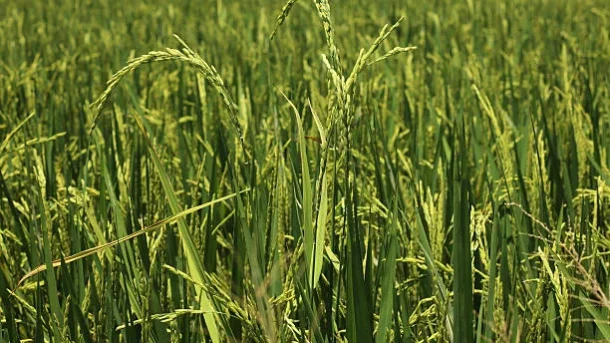
Increased Crop Productivity: GMO supporters contend that their products can increase crop productivity, resulting in larger yields and more food being produced. This is especially important when trying to solve problems with global food security.
The demand for chemical pesticides and herbicides can be reduced by engineering GMOs to have built-in resistance to pests, illnesses, and environmental challenges.
Enhanced Nutritional Content: Genetic modification can be used to enhance the nutritional profile of crops, possibly addressing nutritional deficits in some populations, by adding more vitamins or minerals, for example.

Environmental Issues:-

Ecological Impact: GMO critics express concern over possible unexpected effects on ecosystems. The potential for harm to unintended organisms, the disturbance of natural processes, and the likelihood of gene flow to wild relatives are all included in this.
Loss of Biodiversity: According to some, the acceptance of GMOs on a large scale could result in a decline in biodiversity if a few genetically modified crop varieties come to dominate agricultural landscapes, displacing more conventional and locally adapted kinds.
Herbicide Resistance: The usage of GMOs designed to resist herbicides has, in some situations, resulted in increased herbicide use, which can have detrimental effects on ecosystems and promote the growth of weeds that are resistant to herbicides.

How is the concept of agroecological zoning being implemented for sustainable land use?

agroecological

Agroecological zoning is a technique for identifying and categorizing various land uses and agricultural practices according to the suitability of each location. By taking into account ecological, social, and economic considerations, it seeks to advance sustainable land use planning. Here are some examples of how agro ecological zoning is put into practice:

The identification and mapping of agro ecological zones within a region is the first step in agro ecological zoning. Analyzing numerous elements such as climate, soil types, topography, water accessibility, and biodiversity is required for this. These evaluations assist in locating locations with certain agro ecological traits and determining those areas’ potential for various agricultural pursuits.

Planning and management of land uses can benefit from the knowledge provided by agro ecological zoning. Based on their agro ecological potential, it assists in determining the best land uses and farming methods for various regions. This involves selecting appropriate livestock, crops, agroforestry techniques, and conservation sites.

Agroecological zoning encourages the preservation and protection of environmentally vulnerable areas. It aids in identifying and designating as protected zones places with great ecological significance, such as wetlands, forests, or biodiversity hotspots. These places can be protected through zoning, ensuring the continuation of ecosystem services and biodiversity protection.

What are the challenges and opportunities in transitioning to a bio-based economy?

bio-based economy

There are potential and challenges associated with the transition to a bio-based economy, where renewable biological resources are employed to produce food, materials, and energy. Here are some crucial things to remember:-

Efficiency and Scale: Increasing bio-based output to satisfy global demand can be difficult. To ensure cost-effectiveness and competitiveness in comparison to conventional fossil-based sectors, manufacturing efficiency must be increased, and supply networks must be optimized.

Technology Development: It’s essential to create and market cutting-edge technology for bio-based production methods. To increase productivity, cut expenses, and maximize resource usage, research and development efforts are necessary.

Feedstock Availability: It is difficult to guarantee a steady supply of biomass for bio-based companies. It is vital to strike a balance between the need for biomass and environmental factors including land use, water availability, and biodiversity preservation.

Frameworks for policy and regulation: Creating enabling policies and rules is crucial for the shift to a bio-based economy. It is necessary to design policies that encourage bio-based production, offer financial assistance, and handle any potential negative social and environmental effects.

How are governments and organizations promoting sustainable agriculture in developing countries?

governments and organizations

In order to encourage sustainable agriculture in emerging nations, governments and organizations are essential. They are assisting in this endeavor in the following notable ways:

Support for Policy: Governments are developing laws and rules to promote sustainable agricultural practices. Incentives for the adoption of sustainable farming practices, including organic farming, agroecology, and conservation agriculture, are part of this. Through rules and regulations, governments also support the preservation and sustainable use of natural resources like biodiversity, water, and land.

Governments and organizations provide agricultural extension workers and farmers with training programmes and capacity-building initiatives. These courses impart knowledge and abilities on sustainable farming methods, such as agroforestry, integrated pest management, water management, and soil conservation. By increasing their technical ability,

For farmers to invest in sustainable agriculture, they must have access to financing and credit. Governments and organizations assist small-scale farmers in gaining access to affordable credit and financial services, such as agricultural loans and microcredit. They also encourage the creation of agricultural funds and guarantee programmes that offer funding and risk-reduction for projects promoting sustainable agriculture.

What are the trends in agricultural insurance and risk management?

risk management

To address the difficulties faced by farmers in the face of climate change, market fluctuations, and other risks, agricultural insurance and risk management have evolved. Here are some significant developments in agricultural risk management and insurance:

Index-based Insurance: In agricultural risk management, index-based insurance is becoming more and more common. Index-based insurance employs pre-defined indices, such as weather data or agricultural yields, to decide payouts rather than indemnifying losses based on individual farm-level evaluations. In the event of certain weather occurrences or crop failures, this method streamlines the claims procedure, lowers administrative expenses, and expedites farmer reimbursement.

agricultural insurance that uses measurable characteristics, such as temperature or rainfall thresholds, to determine when to pay out is known as parametric insurance. The rewards are predicated on the occurrence of a preset event or parameter breach rather than being directly related to specific losses. Farmers may more efficiently control risks thanks to parametric insurance, which provides prompt and transparent recompense.

Products for Crop-Specific Insurance: Traditional crop insurance usually covers the main food crops. A increasing tendency, meanwhile, is to create insurance solutions that are specialized to particular crops, like fruits, vegetables, and specialty crops. These specialized insurance policies take into account the distinct hazards connected to certain crops and offer coverage in line with their particular needs.

How is the agricultural sector addressing the issue of biodiversity loss?

biodiversity loss

The agriculture industry is beginning to understand how crucial it is to address biodiversity loss and take action to lessen its effects. Here are some of the main strategies the agricultural industry is using to combat this problem:

Agroecology and Regenerative Farming: These farming methods encourage the fusion of agricultural productivity and biodiversity preservation. These strategies emphasize the use of different crop rotations, agroforestry systems, cover crops, and the preservation of natural habitats including wetlands, grasslands, and hedgerows in order to increase biodiversity within agricultural landscapes. Farmers can help conserve biodiversity by implementing these practices by establishing habitats that support pollinators, beneficial insects, birds, and other species.

Sustainable Land Management: Techniques for managing the land sustainably attempt to reduce the detrimental effects of agriculture on biodiversity loss. This covers methods to stop soil erosion and habitat degradation, such as conservation tillage, contour ploughing, terracing, and erosion control systems. These methods aid in the preservation of biodiversity and guarantee the long-term viability of agricultural land by minimizing soil erosion and upholding healthy ecosystems.

What are the recent advancements in hydroponics and vertical farming technologies?

hydroponics

In recent years, hydroponics and vertical farming technologies have advanced quickly, revolutionizing the way plants are cultivated and opening up new opportunities for urban agriculture and agriculture in controlled environments. The following are some recent developments in these fields:

Growing plants in vertically stacked layers or structures, frequently indoors or in urban settings, is known as vertical farming. The following are developments in vertical farming:

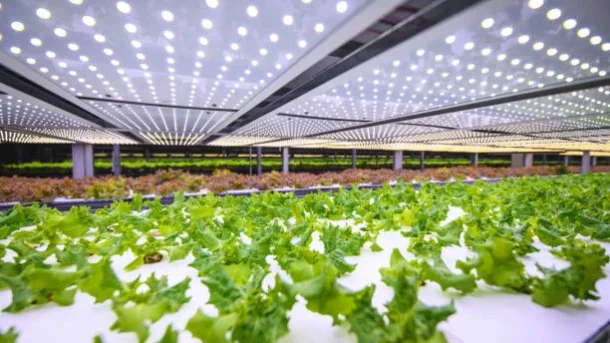
a. Energy-saving LED lighting solutions have significantly increased the productivity and efficiency of vertical farms. Better yields and faster growth rates can be achieved using LED lights because they can be customized to deliver certain light spectra that are optimized for plant growth.

b. Automation and Robotics: Automated systems are utilized to track and manage a variety of vertical farm-related variables, such as temperature, humidity, and nutrient levels.

Hydroponics Innovations: Growing plants in nutrient-rich water solutions is a soil-free farming technique called hydroponics. Hydroponics has recently made the following strides:

a. Specialized nutrient formulations for various crops have been created as a result of a better understanding of the nutritional needs of plants. These compositions guarantee optimum plant development and nutrient availability, resulting in increased agricultural yields and enhanced crop quality.

b. Alternative Substrates: The roots of plants are supported by inert substrates such as perlite, rockwool, or coconut coir in conventional hydroponic systems. Alternatives like biochar, clay pellets, and recycled materials are being investigated, though, to lessen their negative effects on the environment and increase sustainability.

How are small-scale farmers and rural communities being supported and empowered?

rural communities

Through a variety of initiatives and methods aimed at upgrading their livelihoods, increasing their resilience, and promoting sustainable development, rural communities and small-scale farmers are being supported and given more influence. The following are some important ways that small-scale farmers and rural communities are supported:

Access to Finance and Credit: For small-scale farmers, a lack of access to finance and credit poses serious difficulties. Their access to low-cost loans, microcredit, and financial services is being improved. Agricultural loans, savings programmes, and insurance plans are just a few of the financial goods and services that financial institutions, government initiatives, and NGOs are offering specifically to meet the needs of small-scale farmers.
Capacity Building and Training: Building the capacity and skills of small-scale farmers is critical for their empowerment. Training programs and workshops are conducted to enhance their knowledge and skills in various areas, including sustainable farming practices, crop diversification, improved post-harvest handling, financial management, marketing, and entrepreneurship. These capacity-building initiatives equip farmers with the tools they need to improve their productivity, efficiency, and income.

Access to Market and Value Chain Integration: Small-scale farmers often face challenges in accessing markets, especially distant and higher-value markets. Initiatives are focused on improving their market access and facilitating their integration into value chains. This includes the establishment of farmer cooperatives, formation of producer associations, and strengthening linkages between farmers and buyers. Market information systems, contract farming arrangements, and direct marketing platforms help connect farmers with buyers and provide them with fair prices and market opportunities.

What are the implications of changing dietary patterns and consumer preferences on agriculture?

changing

Consumer tastes and changing food habits have a big impact on the agricultural industry. Here are some significant ramifications:

Demand Shift for Food Products: There is a change in the demand for various food products as dietary habits change. For instance, there is a rising demand for foods made from plants, such as plant-based meat alternatives, fruits, vegetables, and legumes. This change has an impact on the sorts of crops raised, methods used in raising livestock, and overall agricultural production systems.

Changes in food habits can have an impact on how land is used and how resources are distributed in agriculture. For instance, the growing demand for some crops may result in the need for more land to cultivate them. This may have an effect on deforestation, loss of biodiversity, and natural ecosystems. It also has an impact on how water, fertilizers, and other inputs are distributed to assist the production of favored food items.

Sustainability and Environmental Impact: Changing one’s diet can have both favorable and unfavorable effects on the environment. By switching to a more plant-based diet, one can lessen the effects of extensive cattle agriculture on greenhouse gas emissions, land degradation, and water use. If not managed responsibly, the rising demand for some crops could also result in an increase in pesticide use, nutrient runoff, and soil erosion. It is crucial.