In recent years, hydroponics and vertical farming technologies have advanced quickly, revolutionizing the way plants are cultivated and opening up new opportunities for urban agriculture and agriculture in controlled environments. The following are some recent developments in these fields:
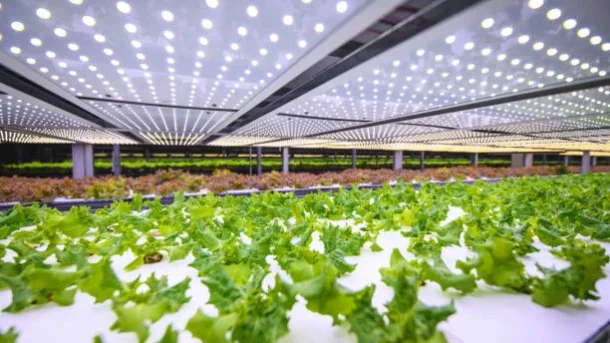
Growing plants in vertically stacked layers or structures, frequently indoors or in urban settings, is known as vertical farming. The following are developments in vertical farming:
a. Energy-saving LED lighting solutions have significantly increased the productivity and efficiency of vertical farms. Better yields and faster growth rates can be achieved using LED lights because they can be customized to deliver certain light spectra that are optimized for plant growth.
b. Automation and Robotics: Automated systems are utilized to track and manage a variety of vertical farm-related variables, such as temperature, humidity, and nutrient levels.
Hydroponics Innovations: Growing plants in nutrient-rich water solutions is a soil-free farming technique called hydroponics. Hydroponics has recently made the following strides:
a. Specialized nutrient formulations for various crops have been created as a result of a better understanding of the nutritional needs of plants. These compositions guarantee optimum plant development and nutrient availability, resulting in increased agricultural yields and enhanced crop quality.
b. Alternative Substrates: The roots of plants are supported by inert substrates such as perlite, rockwool, or coconut coir in conventional hydroponic systems. Alternatives like biochar, clay pellets, and recycled materials are being investigated, though, to lessen their negative effects on the environment and increase sustainability.