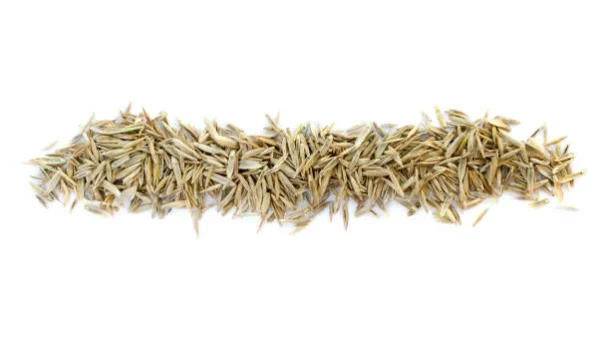
Obtain quality seeds: Begin with seeds of the highest caliber from dependable sources. Purchase seeds from trustworthy seed suppliers or reputable seed growers who adhere to ethical seed production procedures. Quality seeds have passed testing and adhere to strict guidelines for purity, germination, and disease-freeness.
Simple seed quality tests can be carried out by farmers to evaluate germination rates, purity, and vigor. In germination testing, a representative sample of seeds is planted in a controlled environment, and the proportion of seeds that successfully germinate is tracked. Seeds are visually inspected as part of purity testing to look for weed seeds, off-types, or foreign objects. Tests on seed vigor determine whether seedlings will germinate and grow quickly.
Practice seed treatment: Seed-borne infections can be addressed and seed performance can be improved by using seed treatment techniques. Fungicide or insecticide coatings, priming or pre-conditioning treatments to improve germination and early seedling growth, and biological treatments utilizing advantageous microorganisms to support plant health are some examples of treatments.
Ensure adequate seed storage: Maintaining the viability and quality of seeds requires proper seed storage. To reduce moisture and temperature variations, store seeds in a cold, dry, and well-ventilated environment. Use seed bags or airtight containers to keep pests and fungi out of your seeds. Seed variety, storage date, and any other pertinent information should be written on containers.