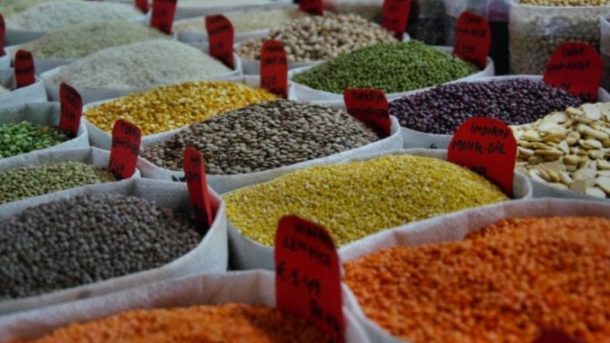
If grains that have been freshly harvested are stored without drying, then they may be spoiled due to micro-organism infestation. Drying the grains removes moisture from them so as to improve their shelf life and reduces the attack by insects, pests, bacteria and fungi. If the grains or seeds are to be used for sowing then moist grains lose the ability of germination very fast. So, it is always advised to dry the seeds up to 12% before storing.
Harvesting
How harvesting is done in rose?
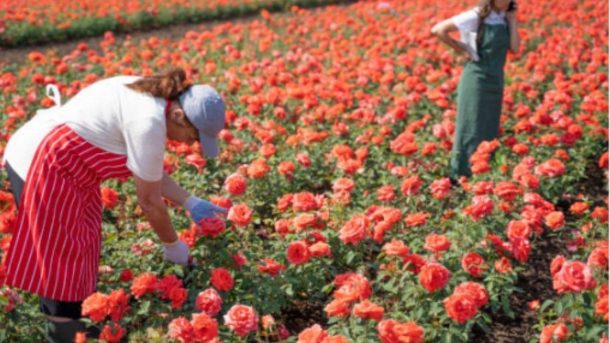
Harvesting is done with a sharp object at the stage of tight bud when the colour is fully established and the petals have not yet started unfolding. There should be 1 to 2 mature leaves those with five leaflets left on the plant after the flower has been cut. Leaving these mature leaves will increase the production of new strong shoots. Harvesting is preferred in early morning hours.
When and How to harvest cardamom?

Cardamom plants start bearing the fruit in the 2nd or 3rd year of plantation. The fruits would mature @ 35 to 45 days intervals, with 5 to 6 pickings. Normally harvesting season for cardamom is from October to November. In Tamil Nadu and Kerala, harvesting starts from Aug to Sept and continues till Feb to March. In Karnataka, it starts in July to Aug and continues up to Dec to Jan. When fruits are in the ripped stage, capsules should be harvested. Over mature cardamom fruits split on drying floor, Whereas the unripe cardamom fruits shrivel on drying.
What are harvesting techniques followed in turmeric?
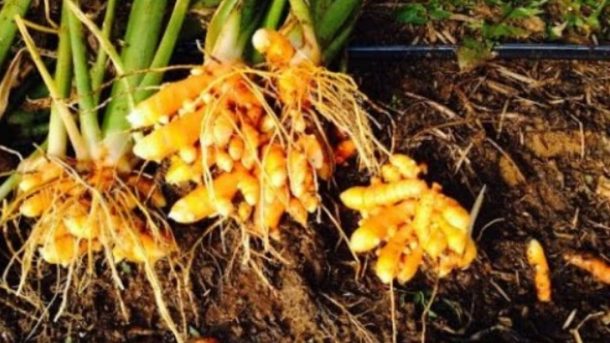
Usually, harvesting extends from January to March- April. Early varieties mature in 7-8 months and medium varieties in 8-9 months. The crop is ready for harvesting when the leaves turn yellow and start dying up. At the time of maturity, leaves are cut close to the ground, the land is ploughed and rhizomes are gathered by hand picking or the clumps are carefully lifted with a spade. The picked rhizomes are collected and cleaned. The mother and finger rhizomes are separated before curing.
When and how to harvest saffron?
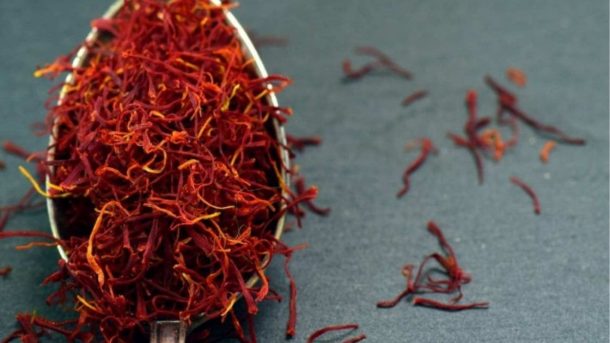
The saffron bloom occurs during October- November and the flowers should be picked before the wilting of the petals. The plucking should always be done at dawn to extract the highest quality of saffron. Stigmas are borne in the centre of each purple and cup shaped bloom. The perfect time to harvest the stigmas is mid-morning on a sunny day when the flowers are fully opened and are still fresh. Carefully pluck the stigmas from the flowers with your fingers, and then dry them in a warm place to preserve them for cooking.
When and how to harvest Macadamia Nuts?
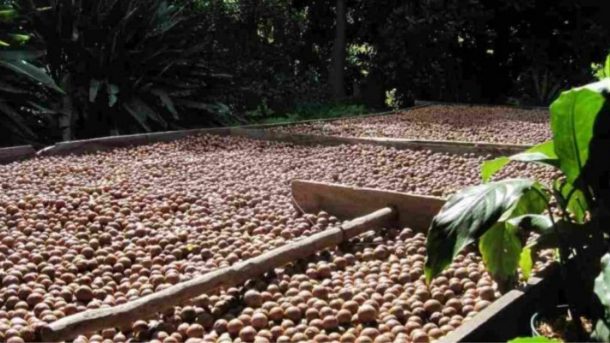
Macadamia nuts mature in 6 to 7 months after flowering and must be allowed to ripen on the trees. The macadamia nuts fall to the ground between March and September. As the macadamia nut dries over the next few weeks, the moisture content falls and the kernel shrinks away from the inside of the shell. Then, this allows the shells to be cracked without damaging the kernel.
When and how to harvest organic lettuce?

Organic leaf lettuce is hand harvested under contract 70 to 80 days after planting. Cool-season plantings may need 130 days to mature but as the season warms, time to maturity decreases. Harvest organic lettuce when the outer leaves are about 6 inches long. This ensures that the plant will survive after the leaves are removed. Harvest outer leaves to encourage inner leaves, tender leaves to grow. Lettuce is crispest if picked in the morning. Use a pruning knife to cut heads just below the lower leaves, or pull them out by the roots. Head and romaine types mature about 70 days from seed; leaf types mature in about 40 days.
Leaf lettuce will regrow if just the leaves are harvested. Water and harvest again a few weeks later. For best flavor, pick in the early morning, rinse and eat fresh.
When and How harvesting of Ivy gourd is done?
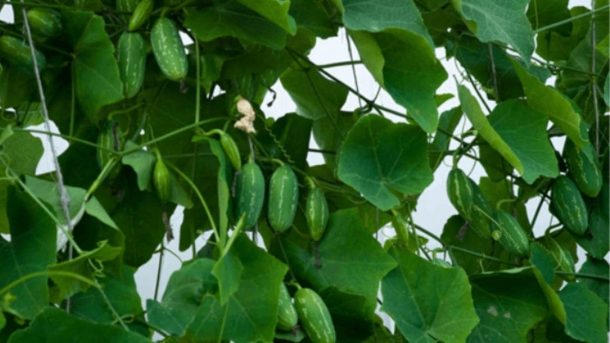
These vegetables will be ready for harvesting in 3 months period. Hand picking or sickle is used to harvest the vegetable. Hand picking may damage the vine, so better use a small cutter to harvest the Tindora Vegetable.
What are the different stages of date fruit ripening?

Generally, date fruits have three different stages of ripening: first is khalal followed by rutab and Tamar stages respectively. The khalal stage starts 17th weeks after pollination, 6 weeks later the rutab stage followed and finally enters the Tamar stage on the 27th week. The Tamar stage of the fruit is considered to be the fully ripened stage.
How long does it take to grow a date palm tree and when does it bear fruits?

Date palm tree take almost 4 to 8 years to grow after planting. Small quantities of fruits are produced after 4 years, but for commercial harvest the trees need to get to the age of 7 to 10 years.