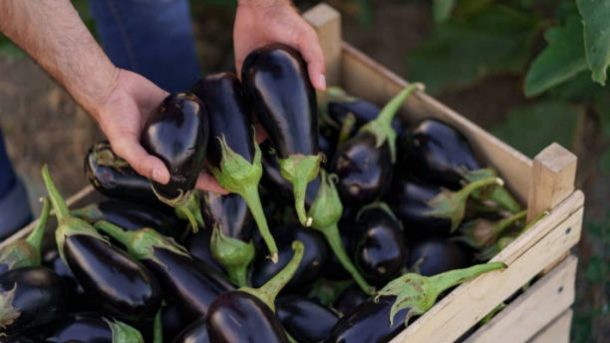
The brinjal fruits are harvested when they attain full size and color but before the start of ripening. Tenderness bright color and glossy appearance of the fruit is the optimum stage of harvesting of fruits. When the vegetables look dull, it is an indication of maturity and loss of quality in brinjal farming.
Harvesting
When and how harvesting of turmeric is done?
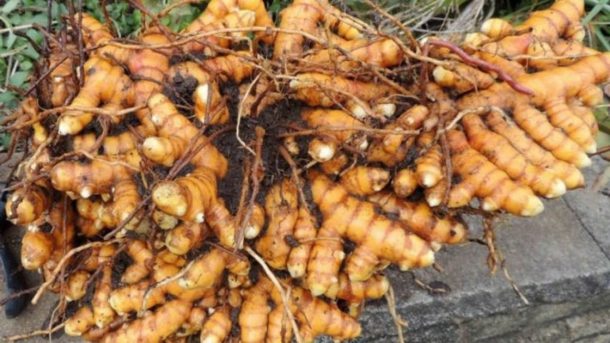
The crop should be harvested at the right maturity and is usually ready for harvesting in about 7 to 9 months after sowing depending up on the variety used. Generally, the polyhouse land is ploughed and the rhizomes are gathered by hand picking or the clumps are carefully lifted by using a spade. Harvested rhizomes are cleaned thoroughly with water. The average turmeric yield per acre is 8 -10 tones. Fingers are separated from mother rhizomes. Mother rhizomes are generally kept as seed material for next planting.
How post harvest management is done in organic sorghum farming?
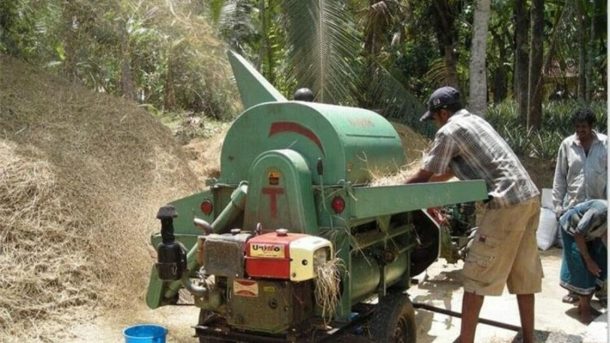
The cleaned grains must be dried in sun for about a week to bring the moisture content down to 13 to 15% for safe storage. Winnowing is done for separating the grains from husk. Threshing is done with the help of thresher or by beating the ear heads with a stick or by trampling bullocks. Then impurities should be removed.
When and how to harvest Sorghum?
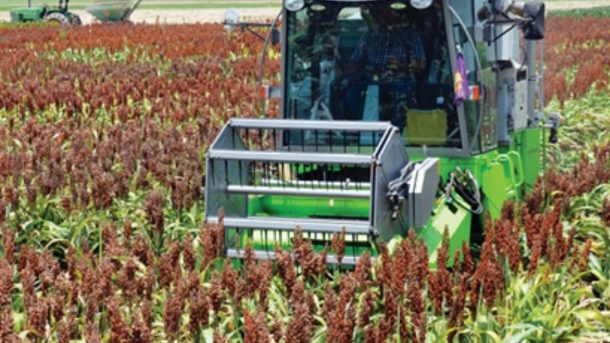
The best time for harvest is when grains become hard and contain less than 25 % moisture. Once the crop gets mature, harvest it immediately. For harvesting sickles are used. The plants are cut from near the ground level. After then stalks are tied into bundles of convenient sizes and stacked on the threshing floor. After 2 to 3 days remove ear heads from plants. In some cases, only ear heads are removed from the standing crop and collected on the threshing floor. After then they should be dried in sun for 3 to 4 days.
When and how harvesting of jasmine is done?
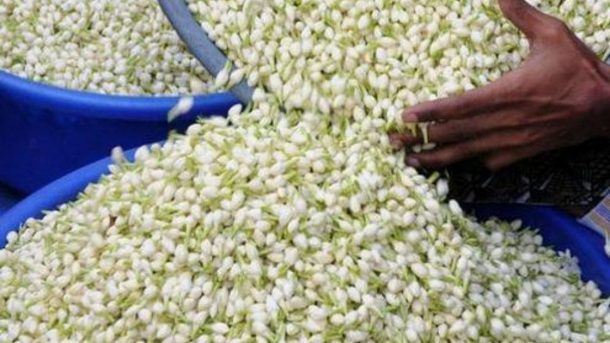
Once the plants reach a stage of bloom, you can then start to harvest the buds/flowers. For long distance marketing, pluck the buds rather than flowers. Morning hours are considered to be good time to harvest.
Jasmine gives an economic yield only from the third year and up to 12-15 years and then the yield starts declining. The stage of picking jasmine buds or flowers depends on the usage of the flowers or buds. Pluck the unopened flower buds in the morning than Picking of flowers after afternoon, it will considerably reduce quality and yield. Damage to flowers during harvest and transit will affect the shelf life of fresh flowers and concrete recovery.
How harvesting of Almond is done?
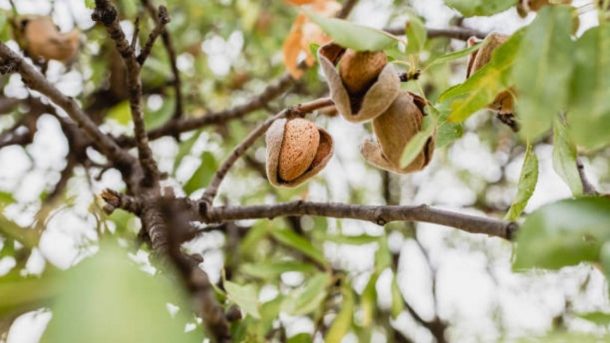
In Almond production, time of harvest depending on the location. Normally, they are ready for harvest when the hull color changes from green to yellowish with cracks or splitting at suture starting from the pedicel end. Under premature harvest conditions, the hulls remain on stick tights and it needs more energy to dislodge the nuts, resulting in damage to limbs in the form of wounds. Nuts must be placed at a shady place for drying and removing hulls. Almonds require 180 to 240 days for nuts to mature where in the nut has dried to minimum moisture content. To harvest the almond, shake the tree, and then separate the hulls from the nut. Freeze your almond nuts for 1 to 2weks to kill any residual worms and then store in plastic bags.
How drying of Cocoa beans is done?
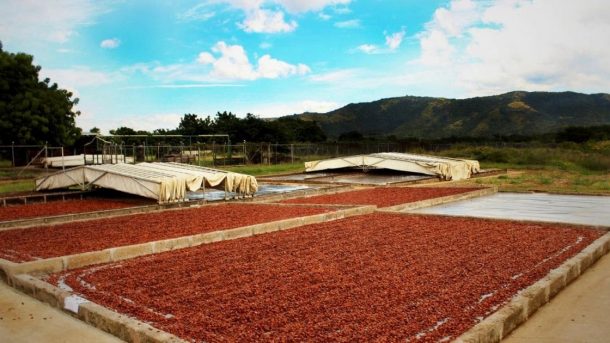
After completion of fermentation, bean is transferred to drying mats or tables or other surfaces depending on the method. During drying, the fermentation process is completed. The next step after the fermentation process is the drying of the Cocoa beans. Under insufficient methods and circumstances, drying can result in loss of quality and production losses. Artificial drying includes the use of an artificial source of heat like fires. Severe rainfall can cause moulding of Cocoa beans and decrease quality. Drying take about 1 week in the sun and gets the bean moisture down to about 7.5 %. Dried beans are sold in jute bags.
How fermentation of Cocoa is done?
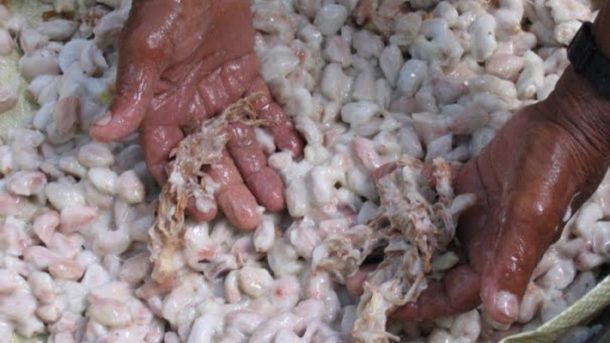
Fermentation takes around 5 to7 days, will be based on the temperature and season. There are several ways in which farmers can involve in the process of Cocoa fermentation. After the Cocoa pulp and beans are removed from the husk, small holders naturally cover the heaps of Cocoa with banana or plantain leaves and let them ferment foe nearly 5 days. This traditional approach to fermentation, though is prone to environmental risk factors. Periods of intense rainfall increase the time required for the fermentation process. Droughts, temperature changes and prolonged dry seasons affect the overall quality and flavor of the product. Farmers occasionally mix the heap on the 2nd or 3rd day to allow for aeration and a more uniform fermentation. In the fermentation process, the Cocoa flavor develops and the beans turn brown.
When and how to harvest Cocoa beans?

Pods containing Cocoa beans grow from the branches and trunk of the Cocoa tree. Harvesting includes take away ripe pods from the trees and opening them to extract the wet beans. With the help of a well sharpened blade, the cocoa pods can be harvested manually done by making a clean cut through the stalk. Cocoa harvest begins when the fruits are completely ripe.
After two years of the planting of Cocoa flowers, the pods take approximately 140 to 160 days to mature and ripen. Only ripe pods to be harvested without damaging the flower cushion at regular intervals of 10 to 15 days. The Cocoa pods are harvested by cutting the stalk with the help of a sharp knife. The harvested pods must be kept for a minimum period of 2to 3 days before opening for fermentation.
What is transition period?
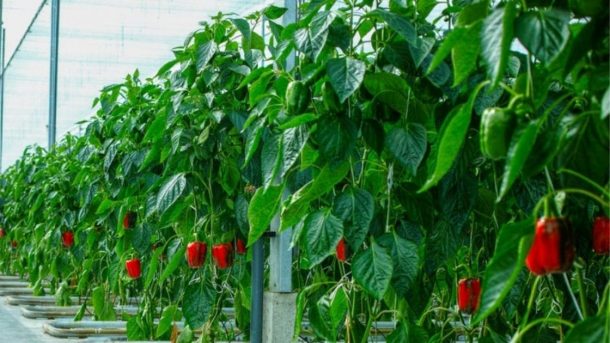
In order to obtain a certified organic product from the farm, it is important to know that the farm where the organic produce is being cultivated should follow organic practices at least 36 months before the yield or harvest. The process of adapting to this organic structure from a previous traditional structure should happen for 36 months, which is generally termed as a transition period. The operator, soil, insect and weeds all get adjusted to the new structure within this period of time.