
Intercropping in Mango orchard promotes infestation of pest and diseases in greater intensity than under clean cultivation. This is due to an increase in the humidity and vegetation around the mango trees due to intercrop. Therefore, regular plant protection measures against pests and diseases of the mango trees due to intercrops. Therefore, regular plant protection measures against pests and diseases of the mango crop are essential. Three root tuber crops like sweet potato, Elephant Foot yam and Cassava were intercropped in 12-year-old mango orchard with two level fertilizers i.e., full and half dose of recommended NPK. Among all intercrop, Elephant Foot Yam with a full recommended dose of about 80:6080 kg NPK/ha gives the highest corn yield 48.0t/ha with a net return of 2.29 lakh/ha.
farming practices
Which is the best intercrop for Banana?
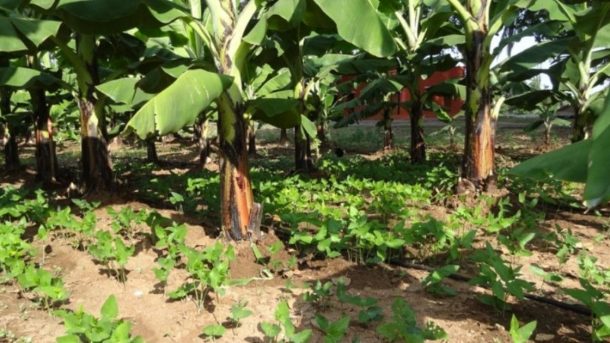
Intercrop can easily be grown in Banana plantations at the earlier stage of crop growth. In some parts of India, mixed cropping also is practiced in Banana. Planting of Banana can be followed by the planting of some intercrops like Brinjal, Turmeric, chillies, bhindi, radish, Cauliflower, Cabbage, Spinach and maize etc, depending on climatic conditions. Some farmers used to intercrop elephant foot yam in Banana orchard and get additional income. Also, farmers grow Elephant Foot yam, green gram and maize in Banana orchard.
Which containers are suitable for growing muskmelon on terrace?
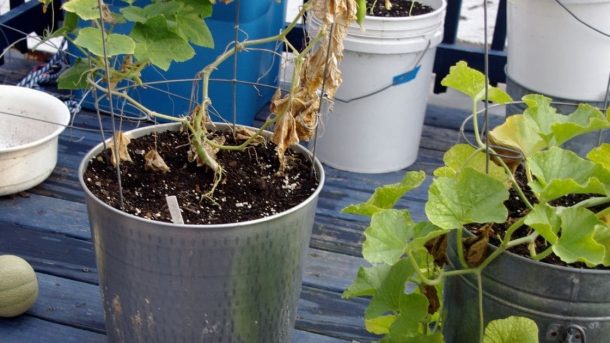
For growing muskmelon in containers or pots choose at least 5 gallons of potting soil. Fill the pot or container with a potting mix, add 10-10-10 tablespoon of fertilizer on the warm soil and mix thoroughly. Saw the seeds of four muskmelons in a container or pot, plant the seed approximately 1 inch deep, keep the seed at equal distances from each other. Now place the container or pot in an area where it can get sunlight throughout the day. Cover the top of the containers or pot with a plastic sheet. This keeps moisture and heat in the soil during the germination of the seed. Warm water container or pot after planting, after drying the top, again water the warm soil. Add much water to this plant so that extra water starts moving out of the container or pot.
The muskmelons that grow in the container or pot require more water, they cannot tolerate dry clay, during the hot and dry seasons.
How propagation is done in Muskmelon for growing on terrace?
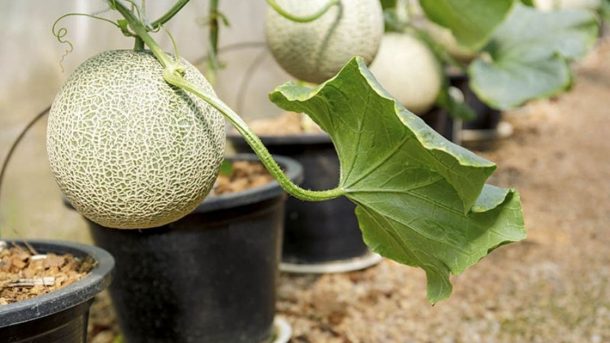
The best way is to sow the seeds directly in the containers or pots or desired location. It is a good idea of planting the muskmelon plants in spring or early summer when the weather warms up sufficiently, 2-4 weeks after the expected last frost date. Sow seeds about an inch deep, cover them with warm soil and water well. Do make sure not to place more than 2 to 3 seeds in one pot or container. They will germinate within 7 to 14 days.
If you are living in a warm and frost-free climate, start sowing seeds in winter or spring. The temperature around or above 15-18°c is favorable for seed germination and propagation. Most of these muskmelon varieties need 70 to 110 warm frosts regrow and fruit well.
When harvesting of bean is done and what will be the yield?
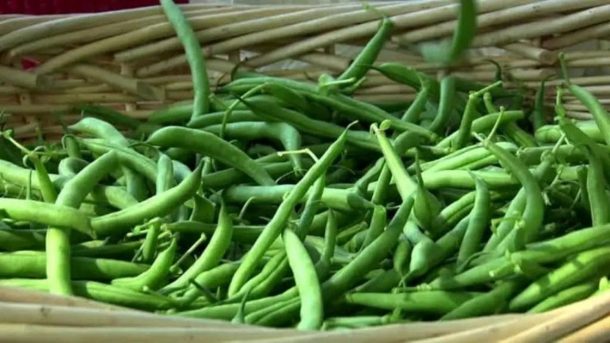
The Indian bean will be ready for harvesting after 2 to 3 months of sowing. Full grown beans are harvested according to the need. The average yield is 100-120 quintal of green pods per hectare can be expected.
What is the water requirement for the beans crop?
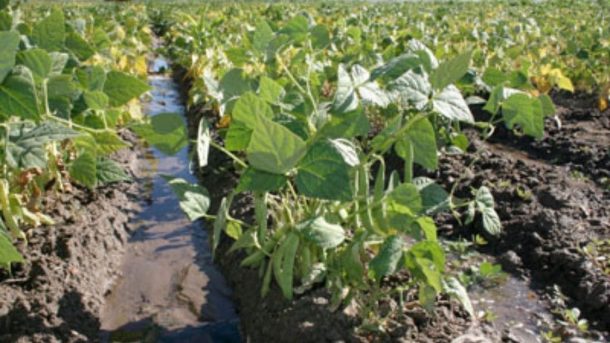
Drip irrigation is the most effective method for beans farming. Irrigation is done immediately right after sowing the seed, again on 3rd or 4th day and after once in a week is needed. Again, Indian bean is commonly cultivated as a rainfed crop, if it’s the rainy season, irrigation should not be given and make sure the soil has good drainage.
What is the climatic requirement for Pistachio cultivation?
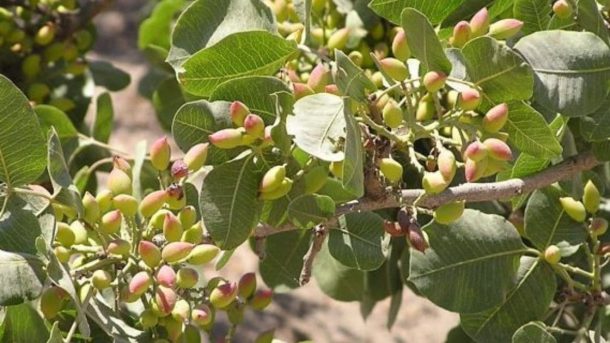
Weather condition is most important factor in growing pistachio crop. These nut trees prefer day temperatures above 36°C and winter months cold enough to complete their dormant periods 7°C. These trees don’t grow well in high elevations due to the cool temperatures. In India, Jammu and Kashmir is natural location to grow pistachio nuts.
How plantation is done in Jamun farming?
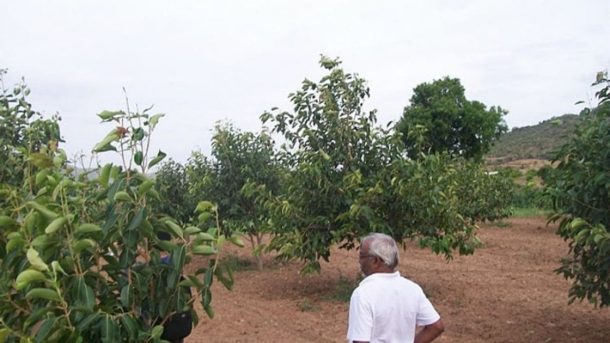
Jamun trees can be planted in both spring and monsoon season. Trees planted during spring season should be provided enough irrigation to survive in dry hot summer weather. Before planting the plantation, main filed should be cleared and thoroughly ploughed. 1×1×1m size pits should be dug @ 10 m apart for seedling plants and @ 8 m apart for budded plants. Complete this process of pits digging before the onset of the spring or monsoon season. The pits should be filled with mixture top soil and well rotten farm yard manure or compost in 3: 1 ratio which is 75% of top soil and 25% manure or compost. About 125 -160 plants can be accommodates in a 1-hectare land.
How propagation is done for Jamun farming?
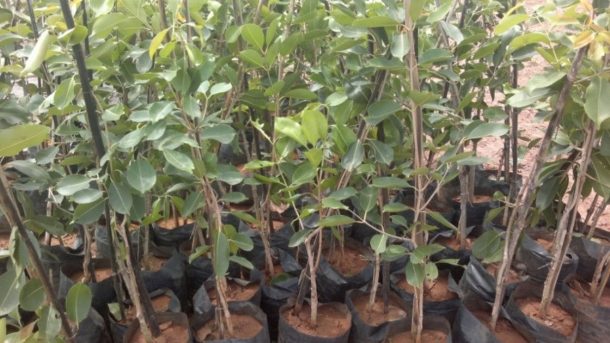
The jamun is propagated in both methods such as by seed and vegetative method. Seed propagation results in late fruit bearing, therefore vegetative method of propagation is preferred for improved or selected types. The seeds have no dormancy; hence fresh seeds can be sown 4-5 cm deep at a distance of 25×15 cm. The seed normally germinate in 11 to 15 days after sowing. The seedlings become ready for transplanting in main field in spring or next monsoon. Budding is most successful. This is performed on 1 year old rootstock having about 10 to 15 mm thickness. The ideal time for budding is July- August in low rainfall regions. Patch, shield and forkert methods of budding give more than 75% success, if performed in the month of march.
When and how harvesting of turmeric is done?
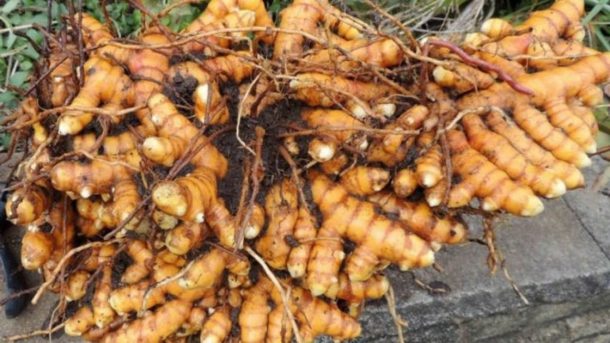
The crop should be harvested at the right maturity and is usually ready for harvesting in about 7 to 9 months after sowing depending up on the variety used. Generally, the polyhouse land is ploughed and the rhizomes are gathered by hand picking or the clumps are carefully lifted by using a spade. Harvested rhizomes are cleaned thoroughly with water. The average turmeric yield per acre is 8 -10 tones. Fingers are separated from mother rhizomes. Mother rhizomes are generally kept as seed material for next planting.